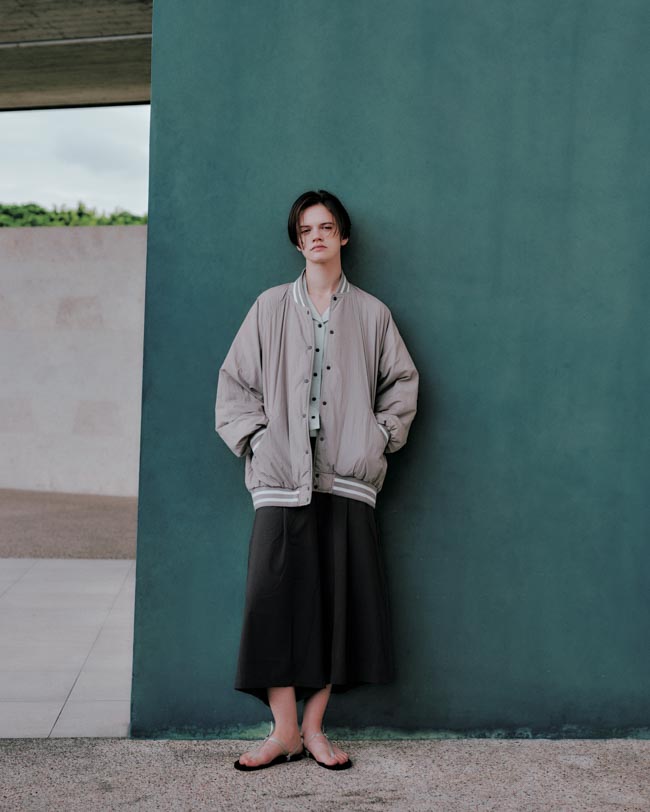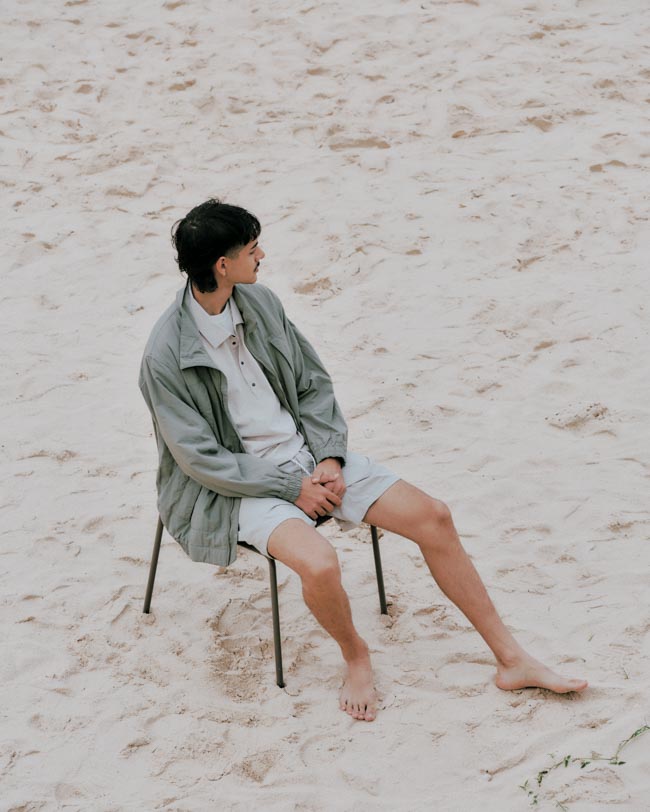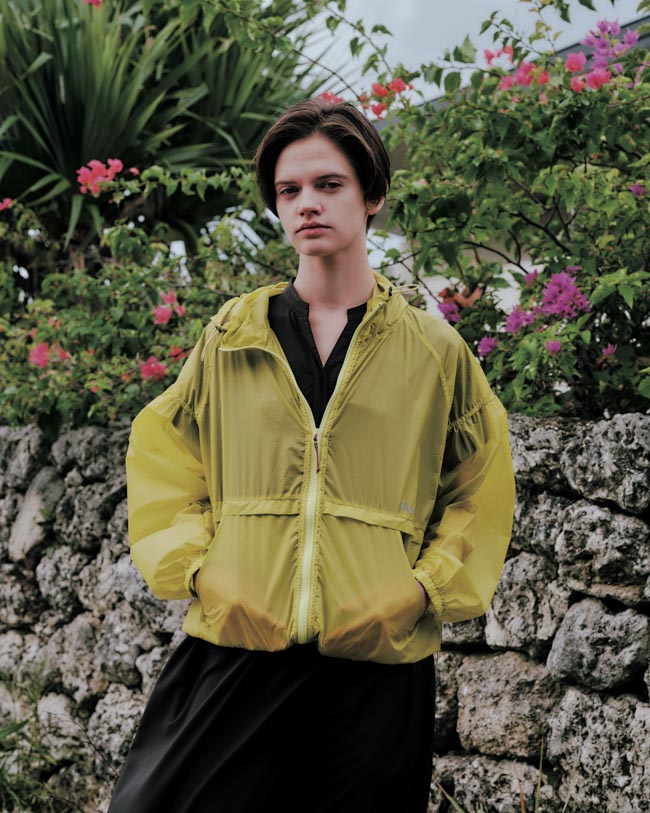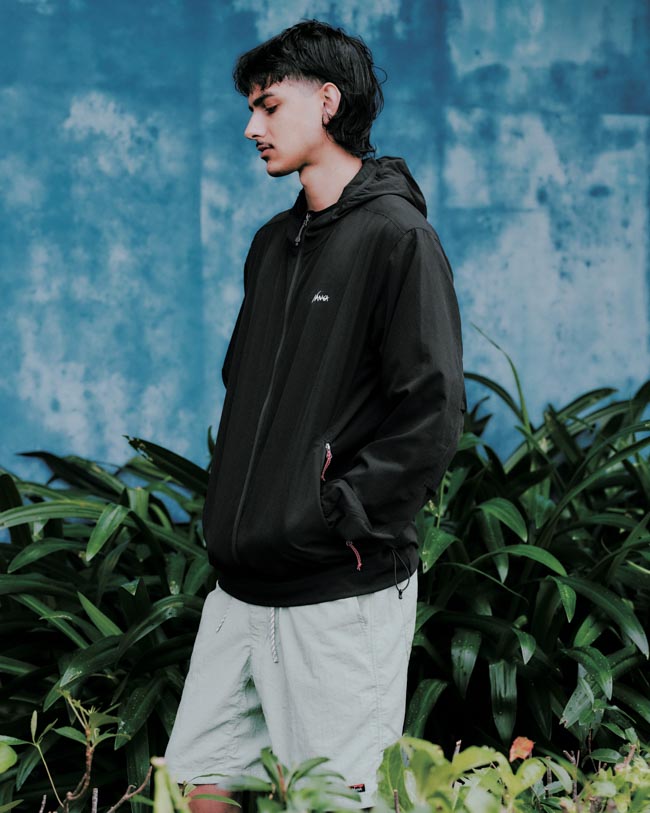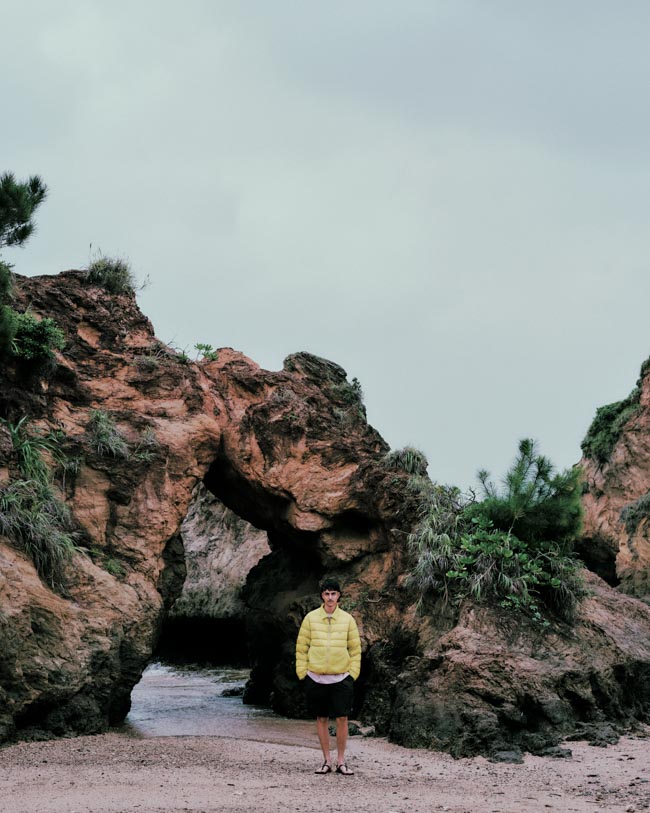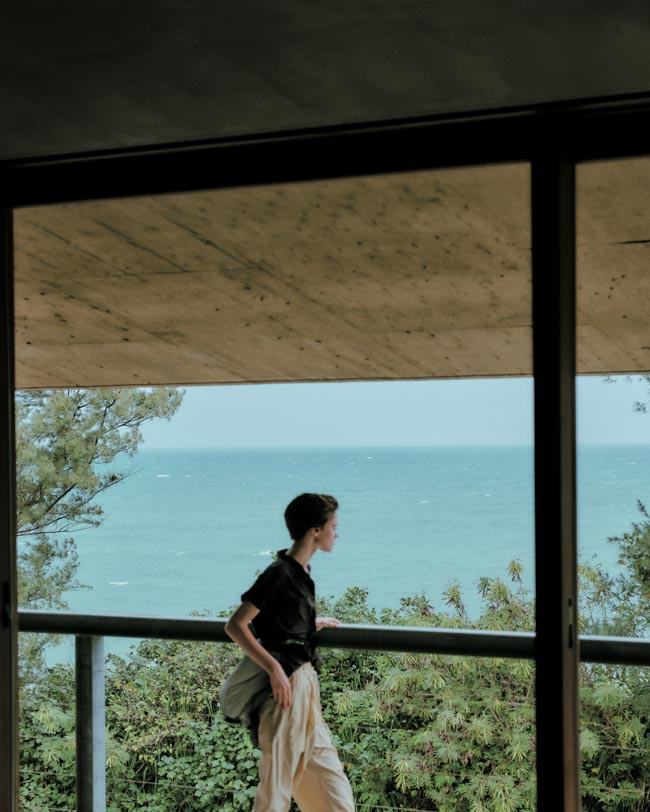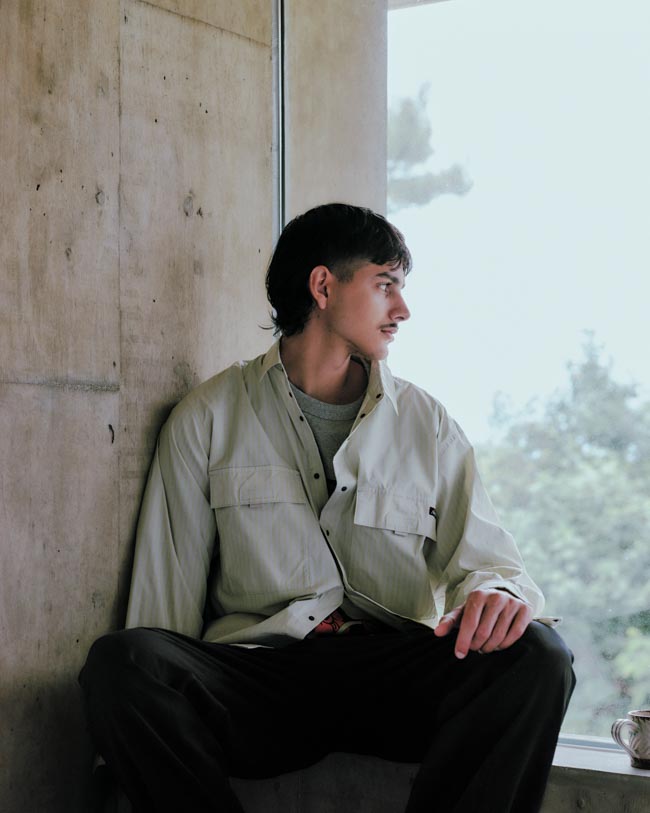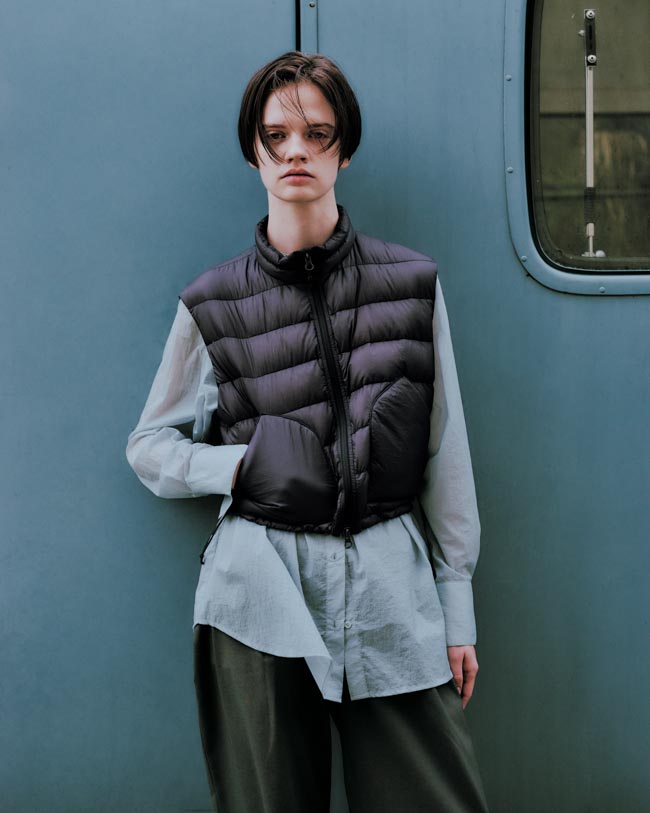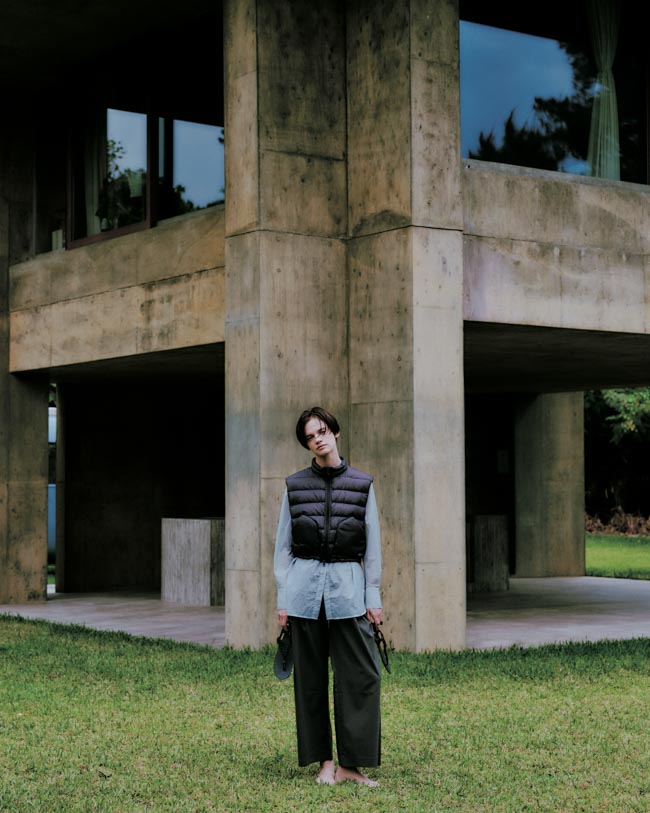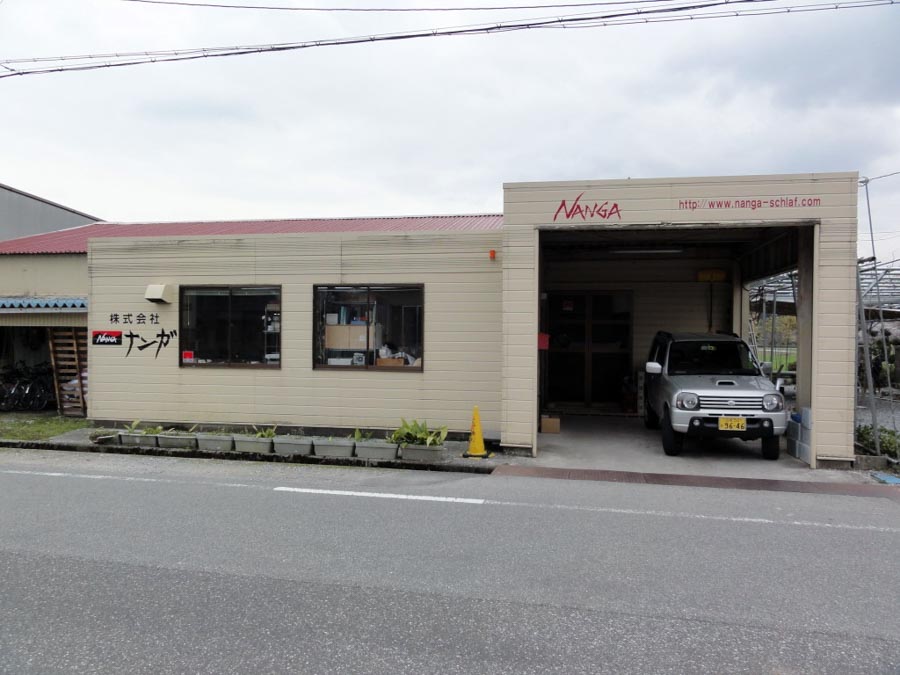
Before NANGA became an outdoor brand, it was part of a more intimate world: the home, the body, sleep, shelter and the Japanese craft of making things with care. Its story begins not with a marketing vision, but with a sewing factory founded in 1941, a changing country, and the need to protect local employment while preserving a manufacturing culture rooted in precision and responsibility. From futons to sleeping bags, from repairing products to creating its own independent voice, NANGA’s evolution has been shaped by adaptation rather than spectacle.
Today, the brand carries the name of an extreme mountain, but its philosophy remains deliberately grounded: quality, practicality, durability, repair and trust. In a market driven by constant novelty, NANGA speaks from a quieter place, one where growth is measured not only through scale, but through better products, stronger teams and longer relationships with customers. This conversation explores the human turning points behind the company, the meaning of down as refuge and continuity, the relationship between outdoor performance and everyday life, and the values NANGA refuses to compromise as it looks toward the future.
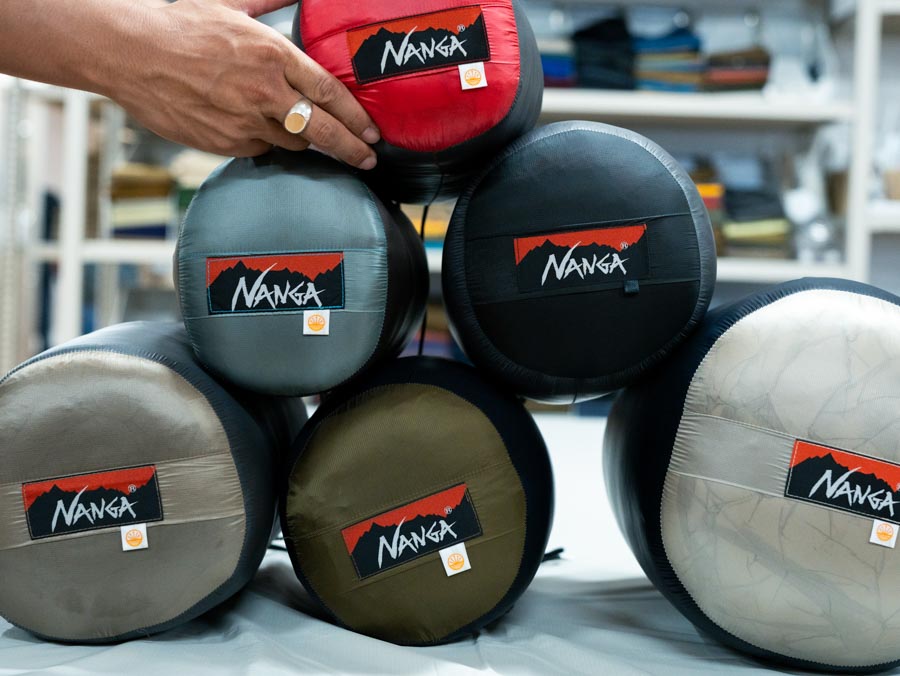
How does this story really begin -without mythology- what was actually happening at that moment, who made it possible, and what were you trying to solve?
In 1941, our predecessor, Yokota Sewing, began its journey as a factory producing futons. Later, amid changing times, the need to protect local employment and preserve our manufacturing craftsmanship became a major turning point. In 1988, we moved into sleeping bag production — not because we were following a trend, but because we wanted to apply the sewing techniques we had cultivated to a new purpose. Then, in 1994, the NANGA brand was born.
What from the original spirit still lives inside the company today?
What has remained unchanged since our founding is our sincere commitment to quality. Today, in addition to developing high-quality products, we place great importance on creating an environment where customers can use our products with confidence for many years by managing everything in-house, from manufacturing at our own factory to aftercare.
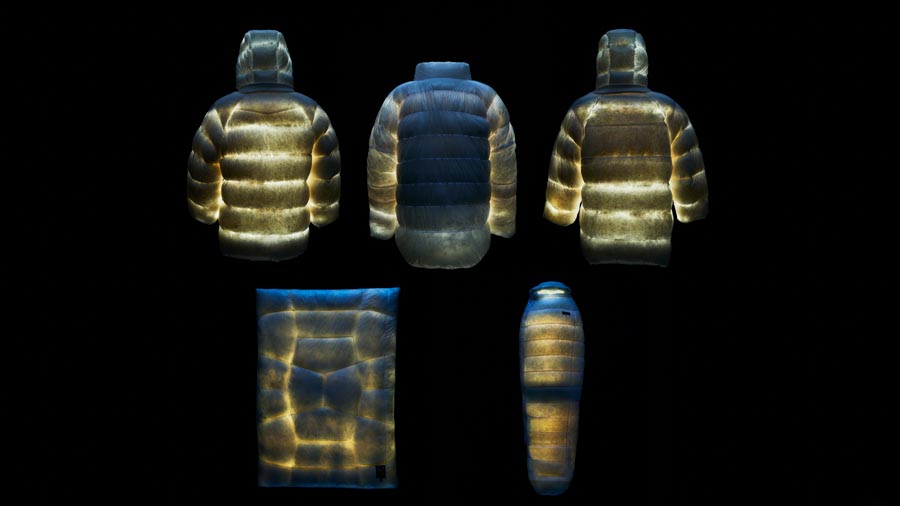
If you had to tell your history through a few human turning points rather than dates -from workshop to futon, from futon to outdoor, from manufacturer to independent voice- which moments truly reshaped you?
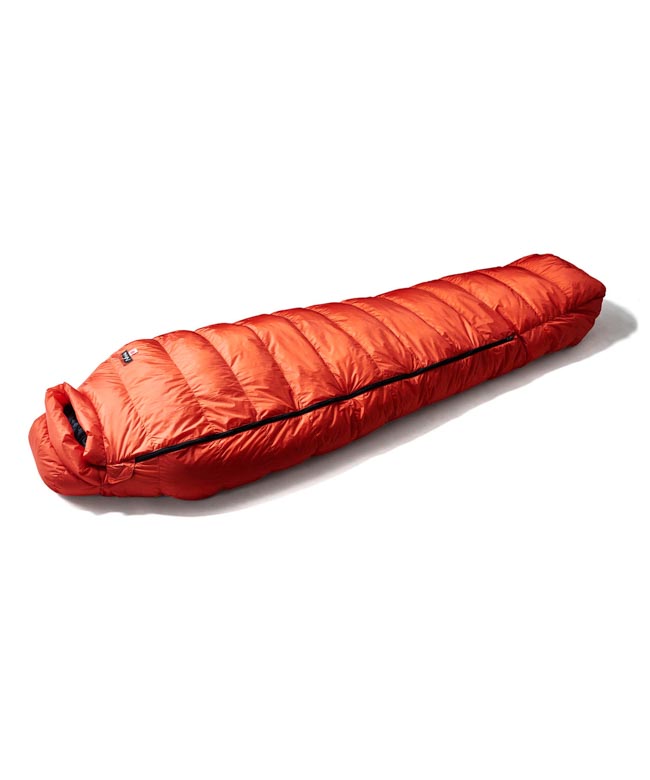
The company’s transformation was largely driven by the changing times and the situation Japan was facing. As the yen strengthened and secondary industries, including the futon industry, shifted production overseas, we moved away from our original futon business and began repairing sleeping bags, before eventually transitioning into sleeping bag manufacturing. While adapting to the needs of each era, we have continued to face quality with sincerity, identify what must be protected, and carry it forward into the future.
You come from a Japanese tradition of precision and craft. What part of that commitment to “doing it properly” feels almost radical today, and what part have you had to loosen in order to evolve?
We were simply doing what was considered standard in Japan: taking responsibility for the quality of our products. It was a commitment to standing behind quality. There was nothing we had to let go of.
Before you were an outdoor brand, you were part of people’s homes and sleep. How does that early relationship with rest and refuge still influence the way you design?
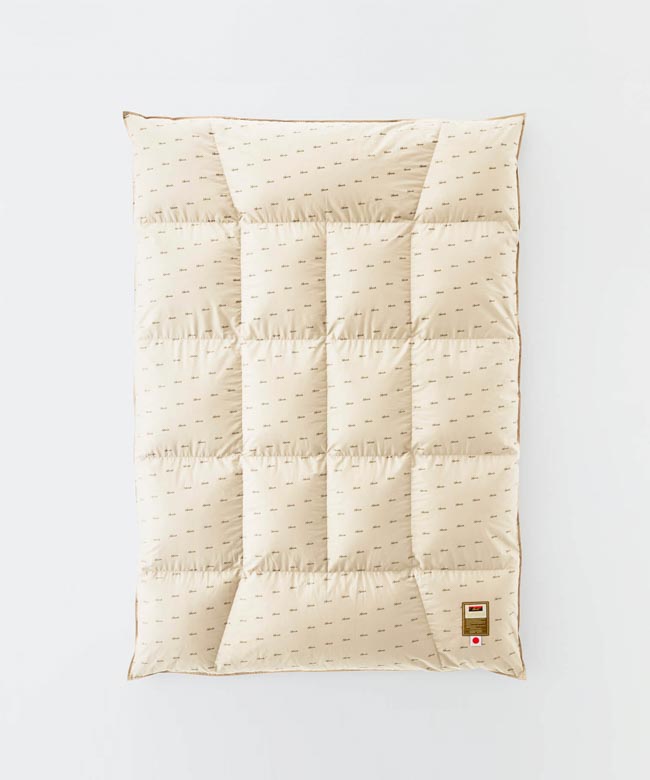
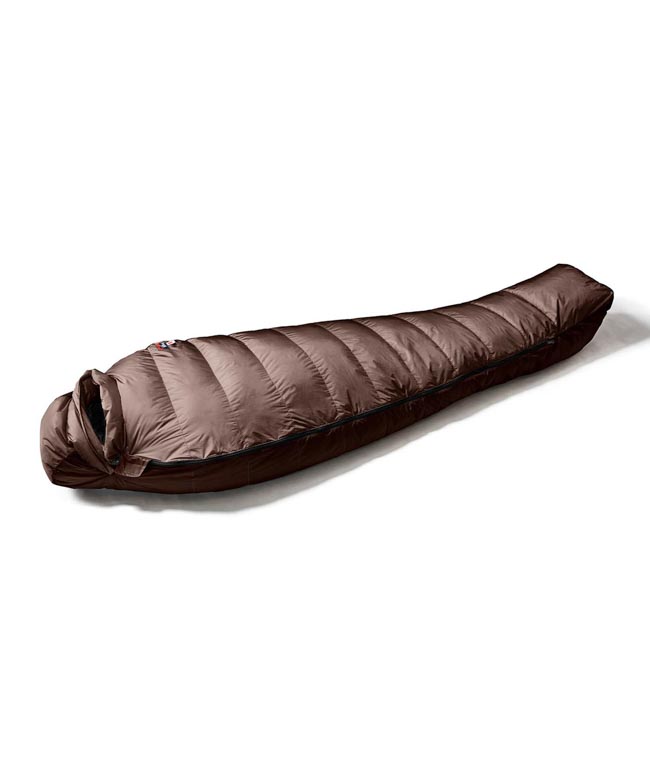
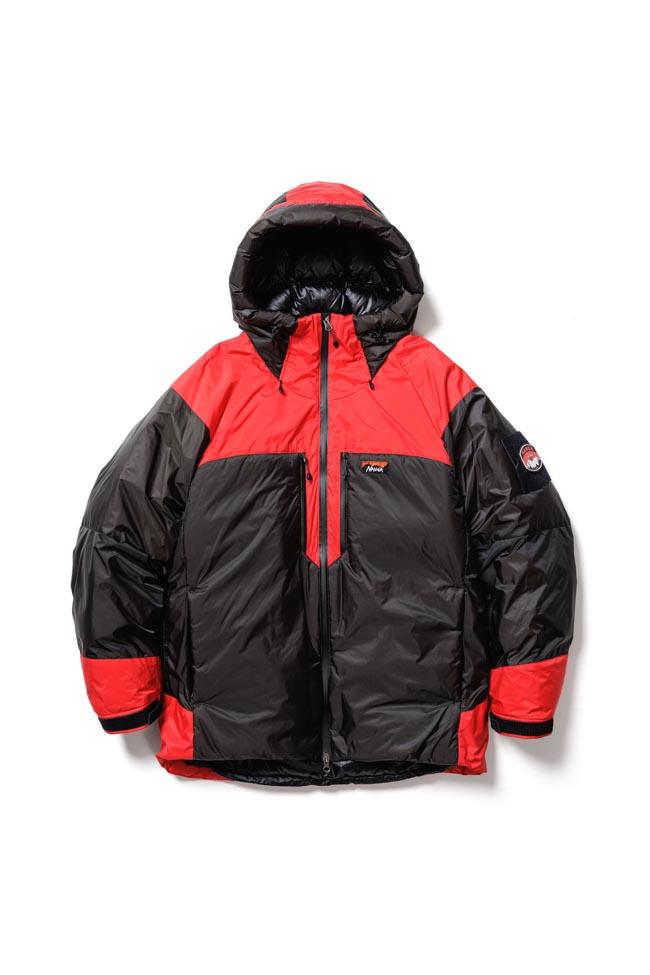
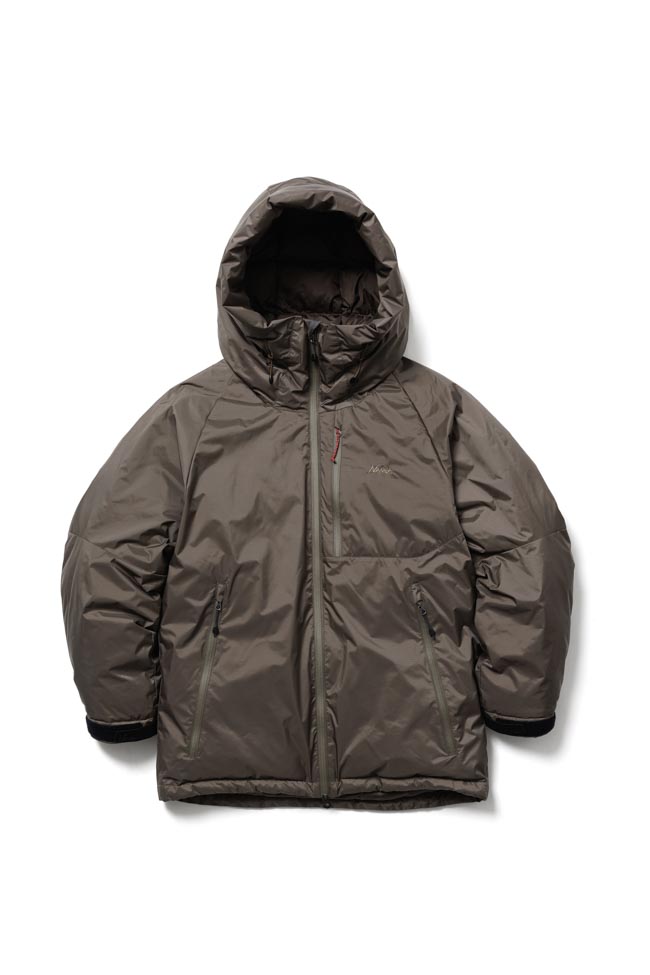
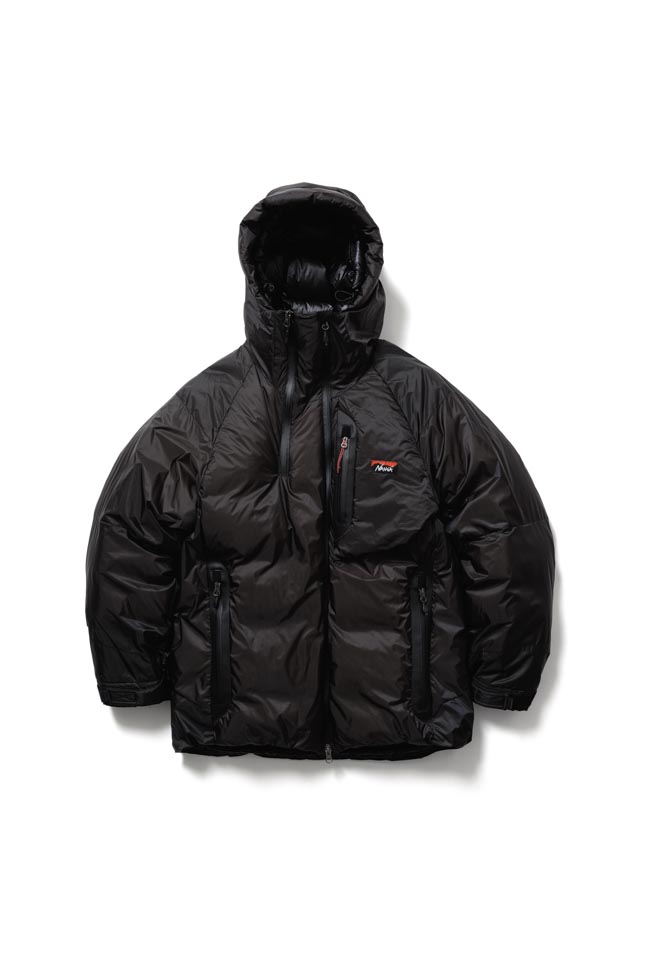
Because our roots are in futon making, we place great importance on creating products that help people rest safely. This philosophy is reflected in our sleeping bags and futons, which are designed specifically for sleep, as well as in our down jackets, which provide warmth and comfort for rest. We are deeply committed not only to the materials we use, but also to the structure and construction of each product.
Carrying the name NANGA connects you to an extreme mountain. In today’s cultural climate, what does that name mean to you, and what interpretations would you rather move beyond?
The name “NANGA” has always symbolized the spirit of taking on challenging mountains. It carries the idea of “taking on a challenge precisely because it is difficult” and “climbing where no one else has climbed before.” Even when something is difficult, we believe in trying first. That mindset is at the very foundation of NANGA.
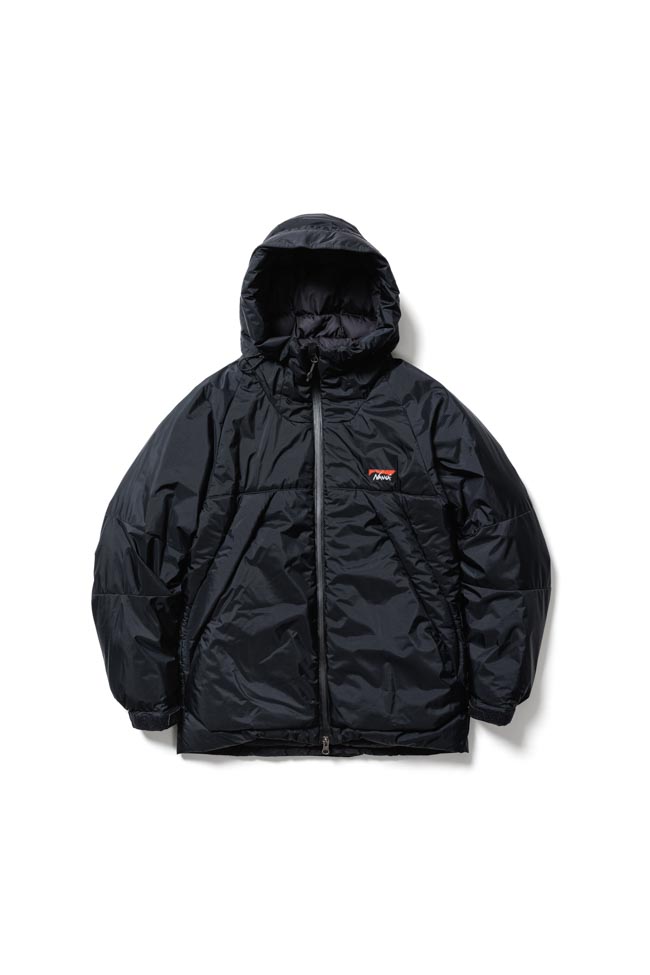
In a market obsessed with constant newness, how do you decide when something is truly ready to exist, and when it’s better not to release it at all?
We take a comprehensive view of factors such as price, quality and practicality, and place great importance on bringing products to market that truly satisfy our customers. At the same time, the decision not to release products that do not meet those standards is also an important principle in our approach to manufacturing.
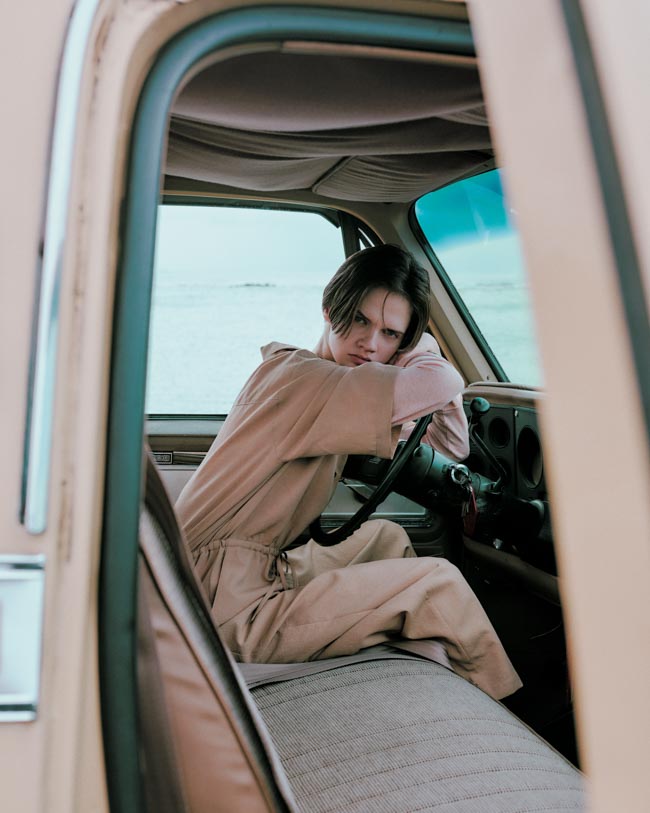
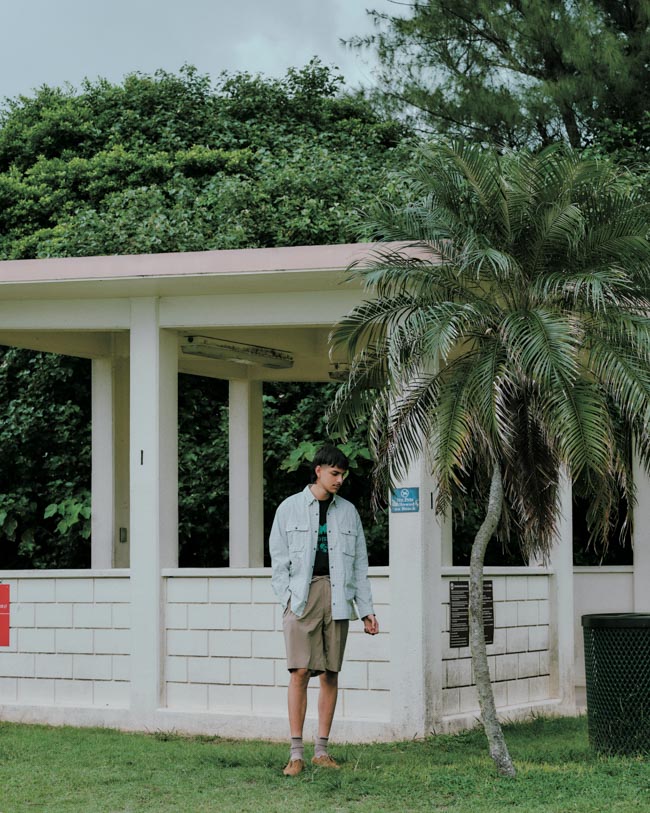
What does growth mean to you if it cannot come at the expense of integrity? Where do you draw that line in practical terms?
For us, true growth means improving the quality of our products, supporting the growth of the people we work with, and increasing customer satisfaction. It is not just about sales or scale. It is about continuing to make better products, helping our team members grow, and bringing joy to our customers. We believe that this ongoing accumulation of efforts is the kind of growth we should pursue.
When you shifted from manufacturing for others to speaking as NANGA, what changed internally, responsibility, pressure, pride, fear?
Even after shifting from manufacturing for other companies to manufacturing under the NANGA brand, our sense of responsibility and the pressure we carry have not changed. In terms of protecting employment and delivering high-quality products to our customers, the essence remains the same.
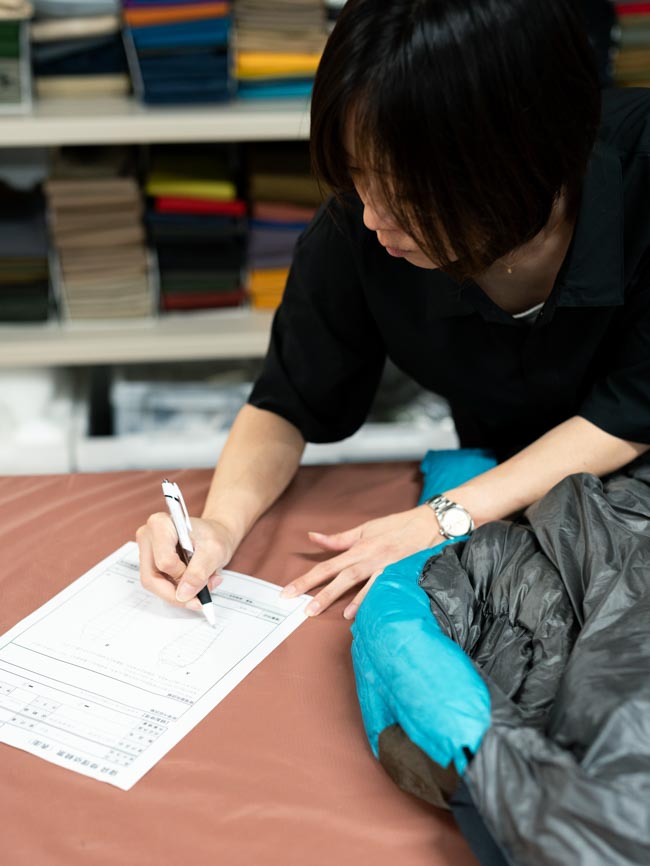
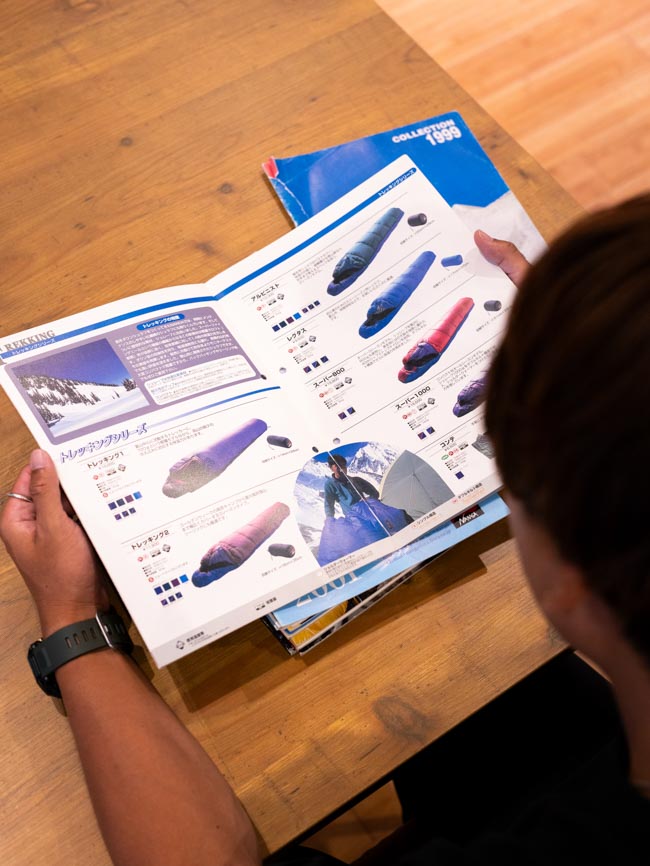
Outdoor clothing has become part of urban identity. What interests you about that intersection between performance and everyday life?
We feel that it is a very natural progression for outdoor wear to be used in urban life. Products with true functionality are useful both in the mountains and in the city. That is why we at NANGA value the perspective where urban life and the outdoors intersect.
Where does functionality end and fashion begin for you? Is that boundary important, or do you see it as an artificial divide?
Functionality and fashion should not be seen as separate from one another. It is not only about being attractive in terms of design, but also about being truly useful in everyday life and in the field. That practicality is an important standard in our approach to manufacturing.
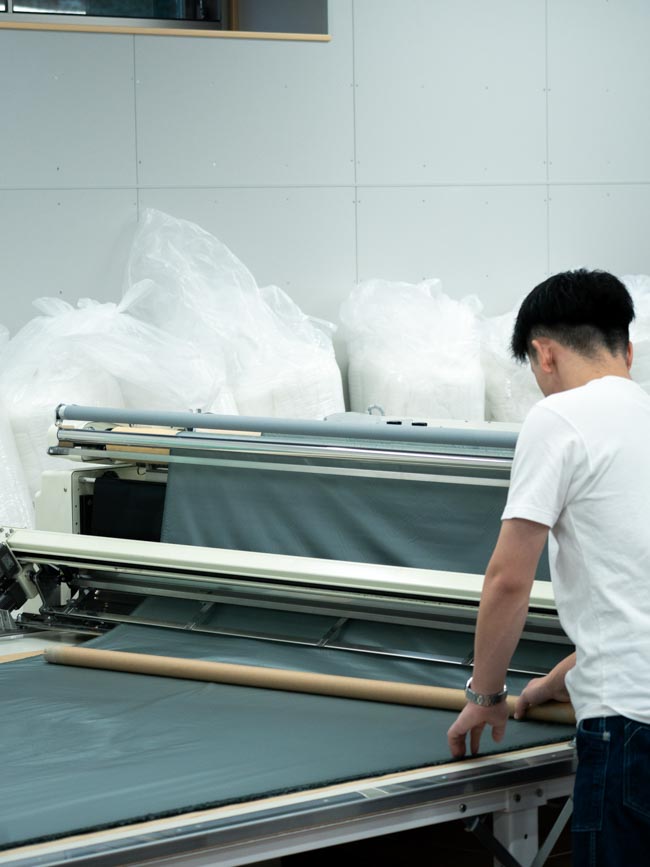
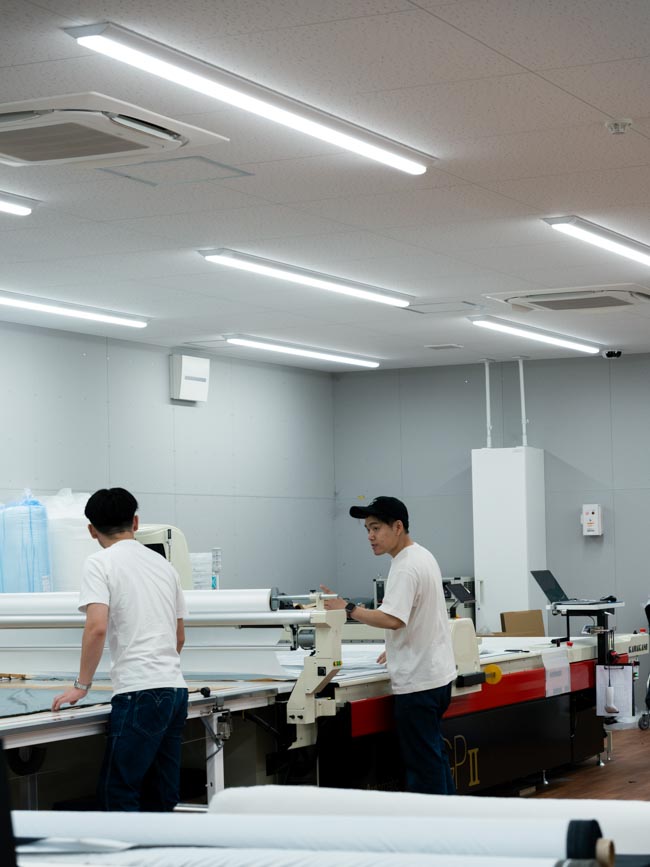
What do international audiences often project onto NANGA that doesn’t match your daily reality?
In Europe and North America, NANGA is sometimes perceived as an ultralight brand. In reality, we offer products for a wide range of situations, from lightweight items often referred to as ultralight, to products that place greater emphasis on durability and practicality.
As a company expands, something is always at risk of being lost. What were you most afraid of losing, control, time, closeness, or the ability to say no?
Rather than seeing growth as something that causes us to lose something, we believe it is important to see it as a process of changing in line with that growth. While preserving the values we must continue to uphold, we need to evolve the way we organize ourselves and the way we make products. We believe this is essential for continuing to grow as a company.
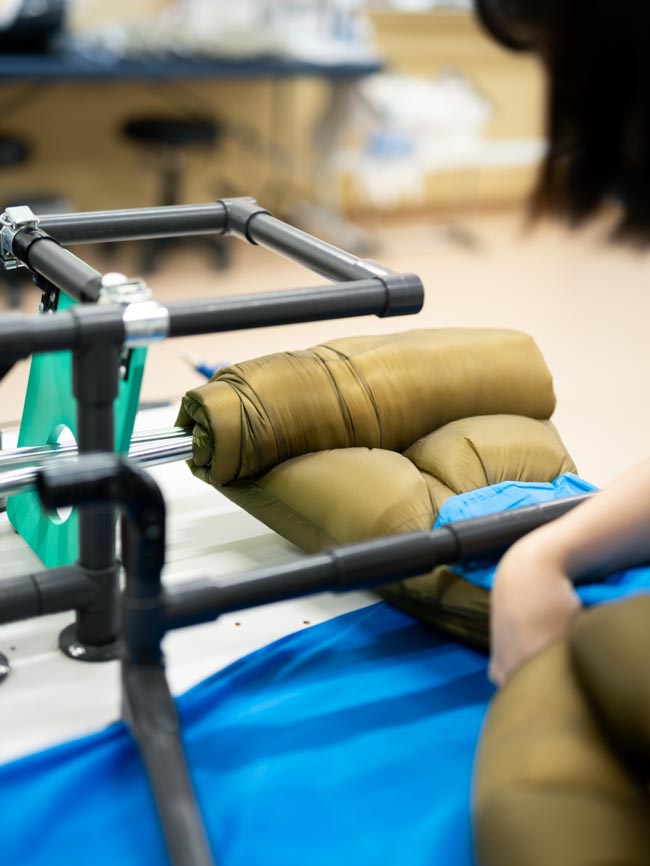
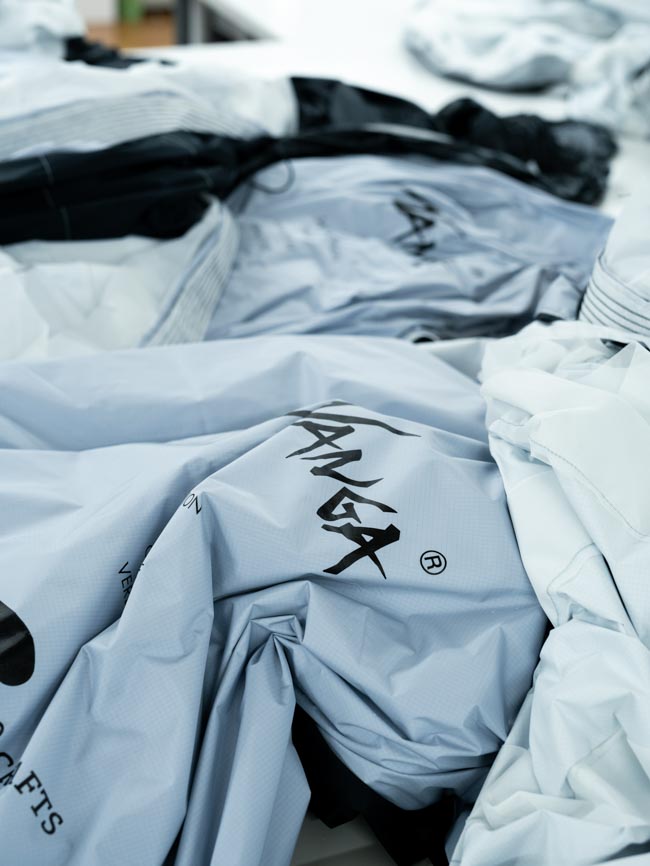
Down is at the heart of what you do. Beyond technical specifications, what does it represent culturally, care, refuge, trust, patience, continuity?
The reason we are committed to down is not only because of its warmth. It is about protecting the body from the cold, creating a sense of comfort and security, and offering a level of quality that users can trust. We aim to create products that place great importance on rest, comfort and trust.
When you speak about sustainability, what is the one principle that is not negotiable, even if it means slower growth or smaller margins?
When it comes to sustainability, what we value most is ensuring that our products are used for as long as possible. Rather than throwing something away when it can no longer be used, we believe it should be repaired and used again. We see it as part of our approach to manufacturing to take responsibility not only for making products, but also for supporting their continued use over time.
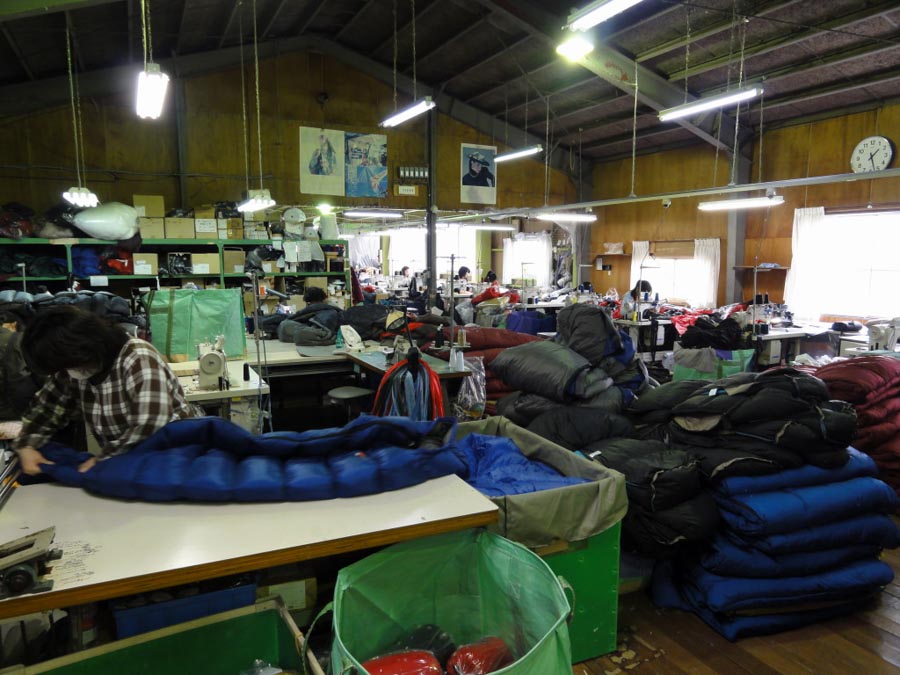
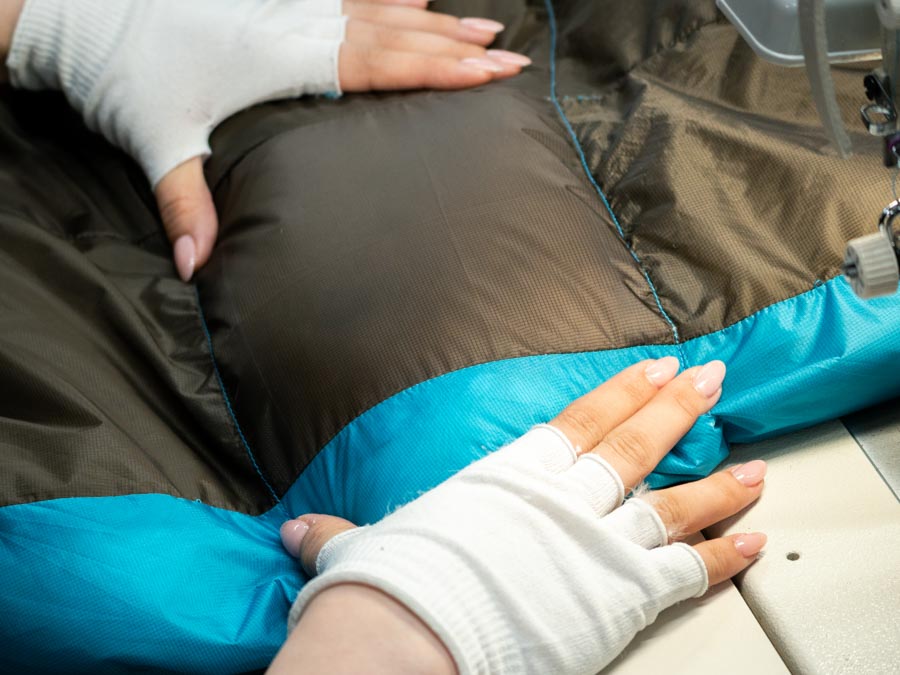
You offer long-term repairs. What have worn, returned garments taught you about attachment, consumption and memory?
Continuing to use NANGA products for many years through repair is directly connected to the sense of comfort and trust that we value. Rather than treating products as disposable, we believe in continuing to use them while making repairs and adjustments as needed. We believe that this accumulation of care helps foster attachment to the product and trust in the brand.
When you choose to collaborate, what must be present culturally and ethically for it to make sense?
Collaboration is an important initiative for expanding the brand value of both parties. By combining NANGA’s quality, functionality and trust with the design sensibility and unique perspective of our partners, we aim to create new synergies and further expand the possibilities of both brands.
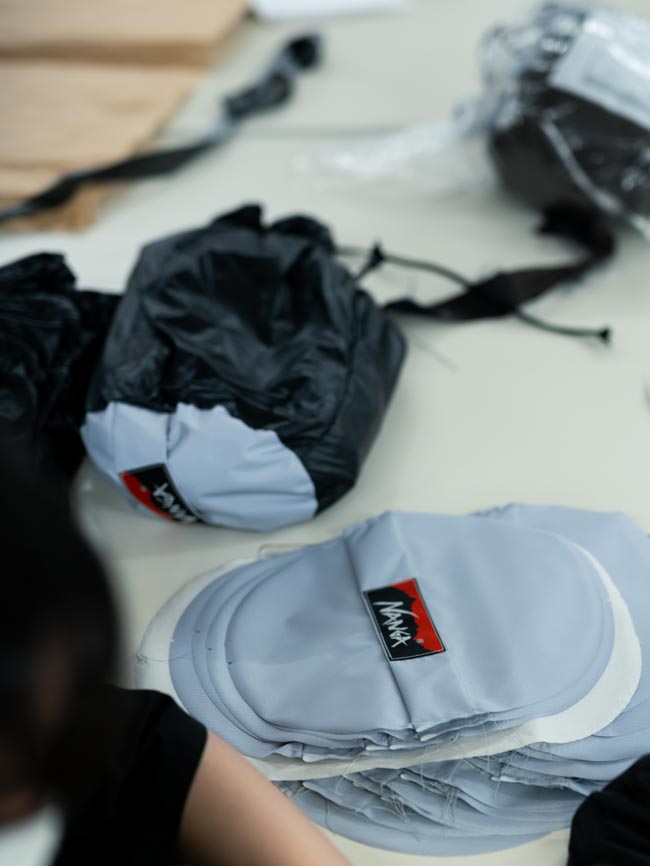
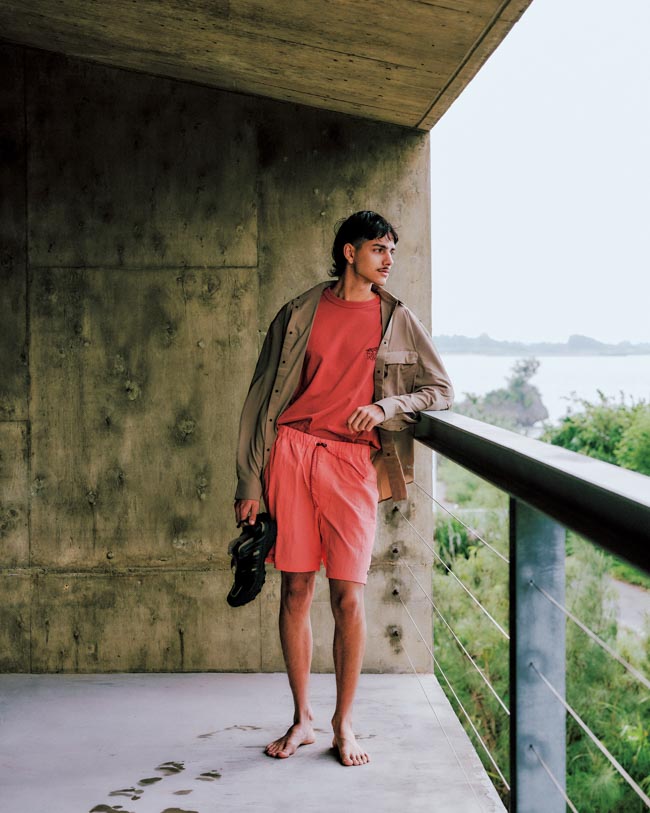
If you look fifteen years ahead, in a more extreme and demanding world, what part of NANGA is absolutely not for sale, and what might you be willing to let go of, even if it works today?
What we value is protecting quality, delivering products that truly satisfy our customers, and supporting the growth of the people we work with. Protecting quality leads to a sense of comfort and trust for our customers. By delivering products that truly satisfy our customers and continuously striving to create even better products, we believe we can help the brand continue to grow. And we believe that the growth of our team members not only contributes to the company, but also helps enrich their own lives.
SPANISH:
NANGA: EL ARTE DISCRETO DE HACER LAS COSAS BIEN
Antes de convertirse en una marca outdoor, NANGA formaba parte de un mundo más íntimo: el hogar, el cuerpo, el sueño, el refugio y la artesanía japonesa de hacer las cosas con cuidado. Su historia no empieza con una visión de marketing, sino con una fábrica de costura fundada en 1941, un país en transformación y la necesidad de proteger el empleo local mientras se preservaba una cultura manufacturera basada en la precisión y la responsabilidad. Del futón al saco de dormir, de reparar productos a crear una voz independiente propia, la evolución de NANGA ha estado marcada por la adaptación más que por el espectáculo.
Hoy, la marca lleva el nombre de una montaña extrema, pero su filosofía sigue siendo deliberadamente terrenal: calidad, funcionalidad, durabilidad, reparación y confianza. En un mercado impulsado por la novedad constante, NANGA habla desde un lugar más silencioso, donde el crecimiento no se mide solo en escala, sino también en mejores productos, equipos más sólidos y relaciones más largas con los clientes. Esta conversación explora los puntos de inflexión humanos detrás de la compañía, el significado del plumón como refugio y continuidad, la relación entre el rendimiento outdoor y la vida cotidiana, y los valores que NANGA se niega a comprometer al mirar hacia el futuro.
¿Cómo empieza realmente esta historia -sin mitología-, qué estaba ocurriendo en aquel momento, quién la hizo posible y qué intentabais resolver?
En 1941, nuestra predecesora, Yokota Sewing, inició su camino como fábrica dedicada a la producción de futones. Más adelante, en medio de los cambios de la época, la necesidad de proteger el empleo local y preservar nuestra artesanía manufacturera se convirtió en un importante punto de inflexión. En 1988, pasamos a la producción de sacos de dormir, no porque estuviéramos siguiendo una tendencia, sino porque queríamos aplicar las técnicas de costura que habíamos cultivado a un nuevo propósito. Después, en 1994, nació la marca NANGA.
¿Qué queda hoy dentro de la empresa de aquel espíritu original?
Lo que se ha mantenido inalterable desde nuestra fundación es nuestro compromiso sincero con la calidad. Hoy, además de desarrollar productos de alta calidad, damos mucha importancia a crear un entorno en el que los clientes puedan utilizar nuestros productos con confianza durante muchos años, gestionándolo todo internamente: desde la fabricación en nuestra propia fábrica hasta el servicio posventa.
Si tuvierais que contar vuestra historia a través de unos pocos puntos de inflexión humanos, más que de fechas -del taller al futón, del futón al outdoor, de fabricantes a voz independiente-, ¿qué momentos os transformaron de verdad?
La transformación de la empresa estuvo impulsada en gran medida por los cambios de la época y por la situación que atravesaba Japón. A medida que el yen se fortalecía y las industrias secundarias, incluida la del futón, trasladaban la producción al extranjero, nos alejamos de nuestro negocio original de futones y empezamos reparando sacos de dormir, antes de pasar finalmente a fabricarlos. Mientras nos adaptábamos a las necesidades de cada época, hemos seguido afrontando la calidad con sinceridad, identificando aquello que debe protegerse y llevándolo hacia el futuro.
Venís de una tradición japonesa de precisión y artesanía. ¿Qué parte de ese compromiso con “hacer las cosas bien” resulta casi radical hoy, y qué parte habéis tenido que flexibilizar para evolucionar?
Simplemente hacíamos lo que en Japón se consideraba normal: asumir la responsabilidad sobre la calidad de nuestros productos. Era un compromiso con responder por la calidad. No hubo nada a lo que tuviéramos que renunciar.
Antes de ser una marca outdoor, formabais parte de los hogares y del descanso de las personas. ¿Cómo sigue influyendo esa primera relación con el descanso y el refugio en vuestra forma de diseñar?
Como nuestras raíces están en la fabricación de futones, damos mucha importancia a crear productos que ayuden a las personas a descansar de forma segura. Esta filosofía se refleja en nuestros sacos de dormir y futones, diseñados específicamente para el sueño, así como en nuestras chaquetas de plumón, que proporcionan calidez y comodidad para el descanso. Estamos profundamente comprometidos no solo con los materiales que utilizamos, sino también con la estructura y la construcción de cada producto.
Llevar el nombre NANGA os conecta con una montaña extrema. En el clima cultural actual, ¿qué significa ese nombre para vosotros y de qué interpretaciones preferiríais alejaros?
El nombre “NANGA” siempre ha simbolizado el espíritu de enfrentarse a montañas desafiantes. Contiene la idea de “asumir un reto precisamente porque es difícil” y de “escalar donde nadie ha escalado antes”. Incluso cuando algo es difícil, creemos en intentarlo primero. Esa mentalidad está en la base misma de NANGA.
En un mercado obsesionado con la novedad constante, ¿cómo decidís cuándo algo está realmente listo para existir y cuándo es mejor no lanzarlo en absoluto?
Adoptamos una visión global de factores como el precio, la calidad y la funcionalidad, y damos mucha importancia a sacar al mercado productos que realmente satisfagan a nuestros clientes. Al mismo tiempo, la decisión de no lanzar productos que no cumplen esos estándares también es un principio importante en nuestra forma de fabricar.
¿Qué significa crecer para vosotros si no puede hacerse a costa de la integridad? ¿Dónde trazáis esa línea en términos prácticos?
Para nosotros, el verdadero crecimiento significa mejorar la calidad de nuestros productos, apoyar el crecimiento de las personas con las que trabajamos y aumentar la satisfacción del cliente. No se trata solo de ventas o de escala. Se trata de seguir fabricando mejores productos, ayudar a crecer a los miembros de nuestro equipo y aportar alegría a nuestros clientes. Creemos que esta acumulación continua de esfuerzos es el tipo de crecimiento que debemos perseguir.
Cuando pasasteis de fabricar para otros a hablar como NANGA, ¿qué cambió internamente: responsabilidad, presión, orgullo, miedo?
Incluso después de pasar de fabricar para otras empresas a fabricar bajo la marca NANGA, nuestro sentido de la responsabilidad y la presión que asumimos no han cambiado. En términos de proteger el empleo y entregar productos de alta calidad a nuestros clientes, la esencia sigue siendo la misma.
La ropa outdoor se ha convertido en parte de la identidad urbana. ¿Qué os interesa de esa intersección entre rendimiento y vida cotidiana?
Sentimos que es una evolución muy natural que la ropa outdoor se utilice en la vida urbana. Los productos con una funcionalidad real son útiles tanto en la montaña como en la ciudad. Por eso, en NANGA valoramos la perspectiva en la que se cruzan la vida urbana y el outdoor.
¿Dónde termina la funcionalidad y empieza la moda para vosotros? ¿Es importante esa frontera o la veis como una división artificial?
La funcionalidad y la moda no deberían verse como algo separado. No se trata solo de resultar atractivo en términos de diseño, sino también de ser verdaderamente útil en la vida cotidiana y sobre el terreno. Esa practicidad es un criterio importante en nuestra forma de fabricar.
¿Qué suelen proyectar las audiencias internacionales sobre NANGA que no coincide con vuestra realidad diaria?
En Europa y Norteamérica, a veces se percibe NANGA como una marca ultraligera. En realidad, ofrecemos productos para una amplia variedad de situaciones, desde artículos ligeros a menudo denominados ultraligeros hasta productos que ponen más énfasis en la durabilidad y la practicidad.
Cuando una empresa se expande, siempre hay algo en riesgo de perderse. ¿Qué os daba más miedo perder: control, tiempo, cercanía o la capacidad de decir que no?
Más que ver el crecimiento como algo que nos hace perder algo, creemos que es importante entenderlo como un proceso de cambio acorde con ese crecimiento. Mientras preservamos los valores que debemos seguir defendiendo, necesitamos hacer evolucionar la forma en que nos organizamos y la forma en que fabricamos productos. Creemos que esto es esencial para seguir creciendo como empresa.
El plumón está en el centro de lo que hacéis. Más allá de las especificaciones técnicas, ¿qué representa culturalmente: cuidado, refugio, confianza, paciencia, continuidad?
La razón por la que apostamos por el plumón no es solo su calidez. Tiene que ver con proteger el cuerpo del frío, crear una sensación de comodidad y seguridad, y ofrecer un nivel de calidad en el que los usuarios puedan confiar. Aspiramos a crear productos que den gran importancia al descanso, la comodidad y la confianza.
Cuando habláis de sostenibilidad, ¿cuál es el principio no negociable, incluso si implica un crecimiento más lento o márgenes más pequeños?
Cuando se trata de sostenibilidad, lo que más valoramos es asegurarnos de que nuestros productos se utilicen durante el mayor tiempo posible. En lugar de tirar algo cuando ya no puede usarse, creemos que debe repararse y volver a utilizarse. Consideramos que forma parte de nuestra forma de fabricar asumir la responsabilidad no solo de crear productos, sino también de apoyar su uso continuado a lo largo del tiempo.
Ofrecéis reparaciones a largo plazo. ¿Qué os han enseñado las prendas usadas y devueltas sobre el apego, el consumo y la memoria?
Seguir utilizando productos NANGA durante muchos años mediante reparaciones está directamente conectado con la sensación de comodidad y confianza que valoramos. En lugar de tratar los productos como desechables, creemos en seguir utilizándolos mientras se realizan las reparaciones y ajustes necesarios. Creemos que esta acumulación de cuidado ayuda a fomentar el apego al producto y la confianza en la marca.
Cuando elegís colaborar, ¿qué debe estar presente cultural y éticamente para que tenga sentido?
La colaboración es una iniciativa importante para ampliar el valor de marca de ambas partes. Al combinar la calidad, la funcionalidad y la confianza de NANGA con la sensibilidad de diseño y la perspectiva única de nuestros socios, aspiramos a crear nuevas sinergias y a ampliar aún más las posibilidades de ambas marcas.
Si miráis quince años hacia delante, en un mundo más extremo y exigente, ¿qué parte de NANGA no está absolutamente en venta y qué estaríais dispuestos a dejar atrás, aunque hoy funcione?
Lo que valoramos es proteger la calidad, entregar productos que realmente satisfagan a nuestros clientes y apoyar el crecimiento de las personas con las que trabajamos. Proteger la calidad conduce a una sensación de comodidad y confianza para nuestros clientes. Al entregar productos que realmente satisfacen a nuestros clientes y esforzarnos continuamente por crear productos aún mejores, creemos que podemos ayudar a que la marca siga creciendo. Y creemos que el crecimiento de los miembros de nuestro equipo no solo contribuye a la empresa, sino que también ayuda a enriquecer sus propias vidas.