Escapada a Las Alpujarras Granadinas: un viaje donde vivir despacio aún es posible
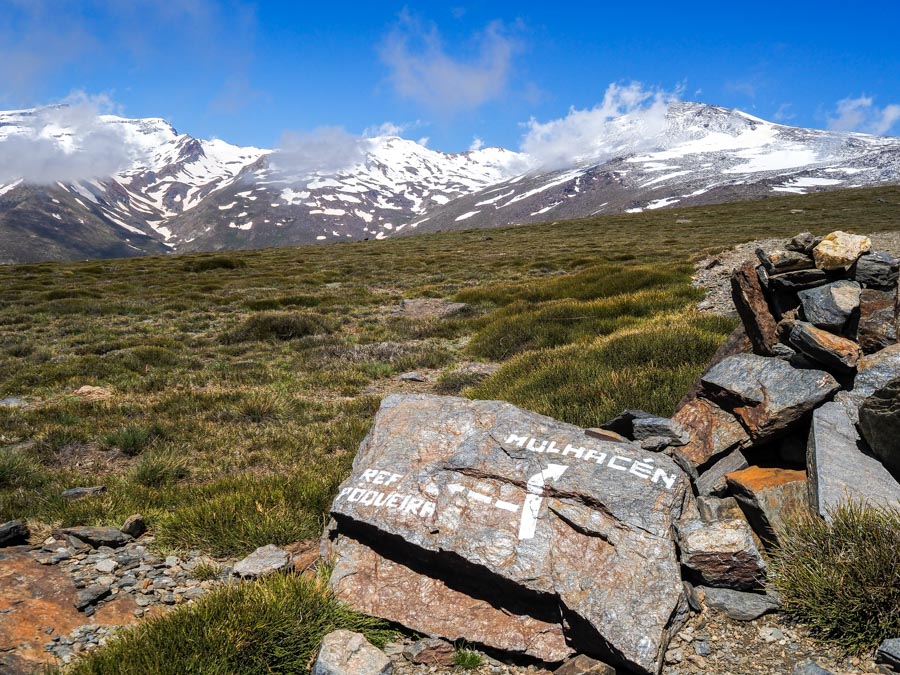
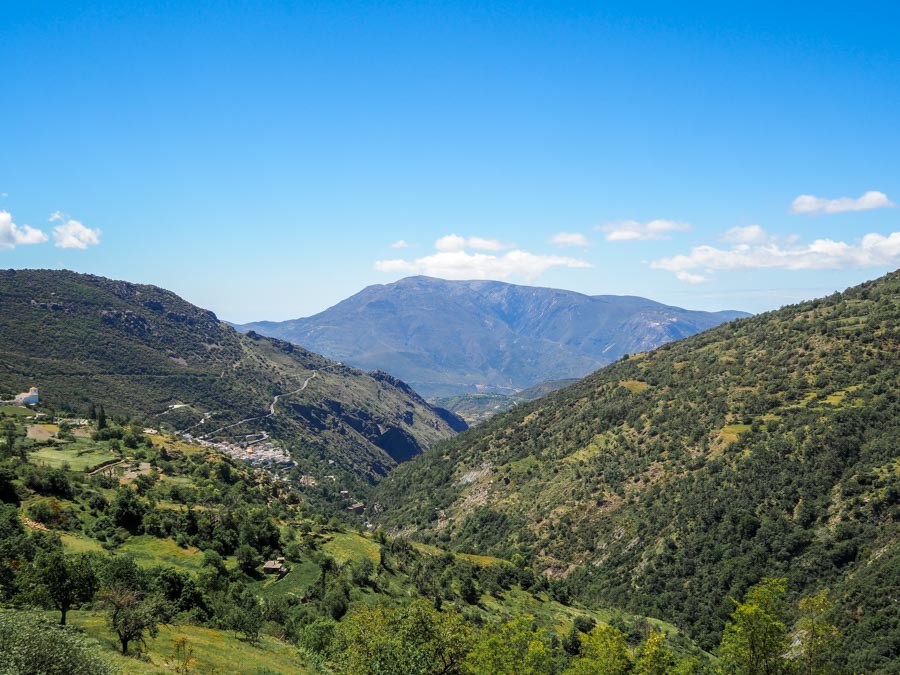
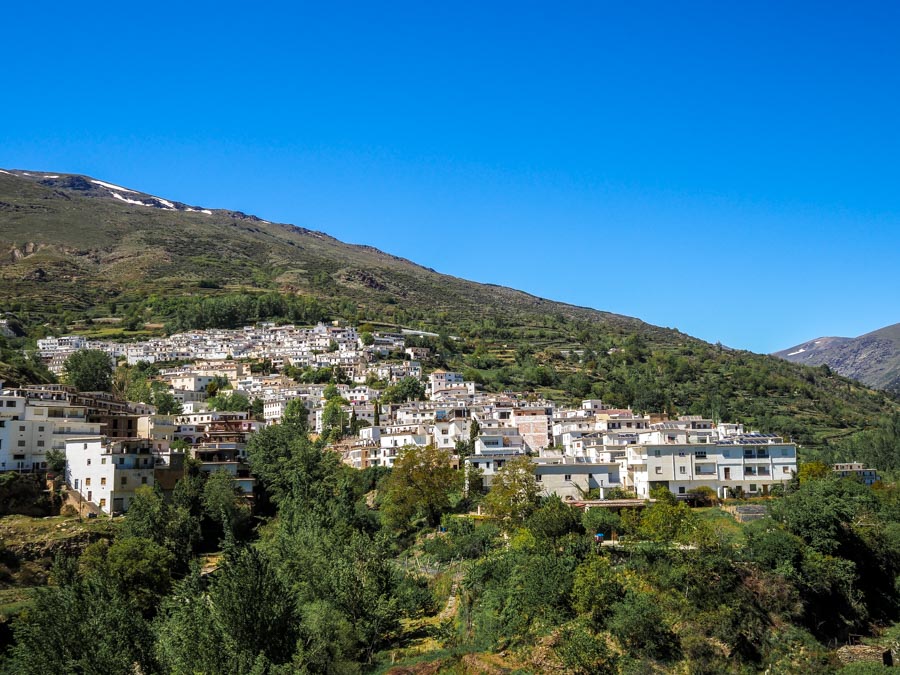
Hay destinos que, más que recomendarse, se sienten como una necesidad al menos una vez en la vida. Las Alpujarras granadinas pertenecen a ese grupo. Este territorio, a medio camino entre la montaña y el recuerdo, ejerce una atracción difícil de explicar la primera vez que se recorre. El viaje empieza al dejar atrás la autopista y enfilar hacia Órgiva, la antesala de la comarca. Desde ese punto ya se dibuja la carretera que asciende por la ladera, rodeada de pequeños pueblos blancos que, vistos desde lejos, parecen diluirse entre las nieves de Sierra Nevada.
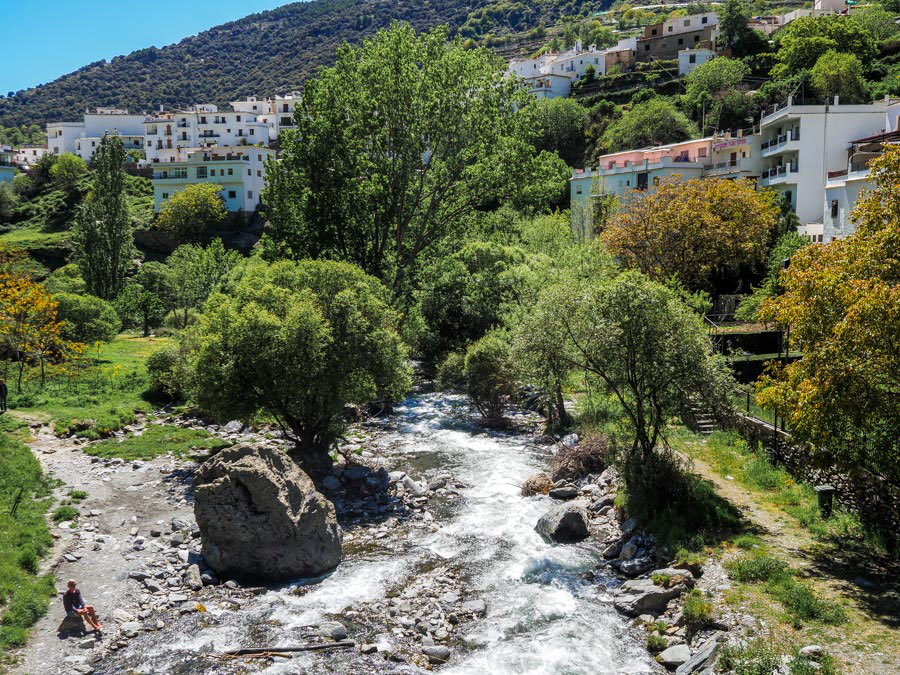
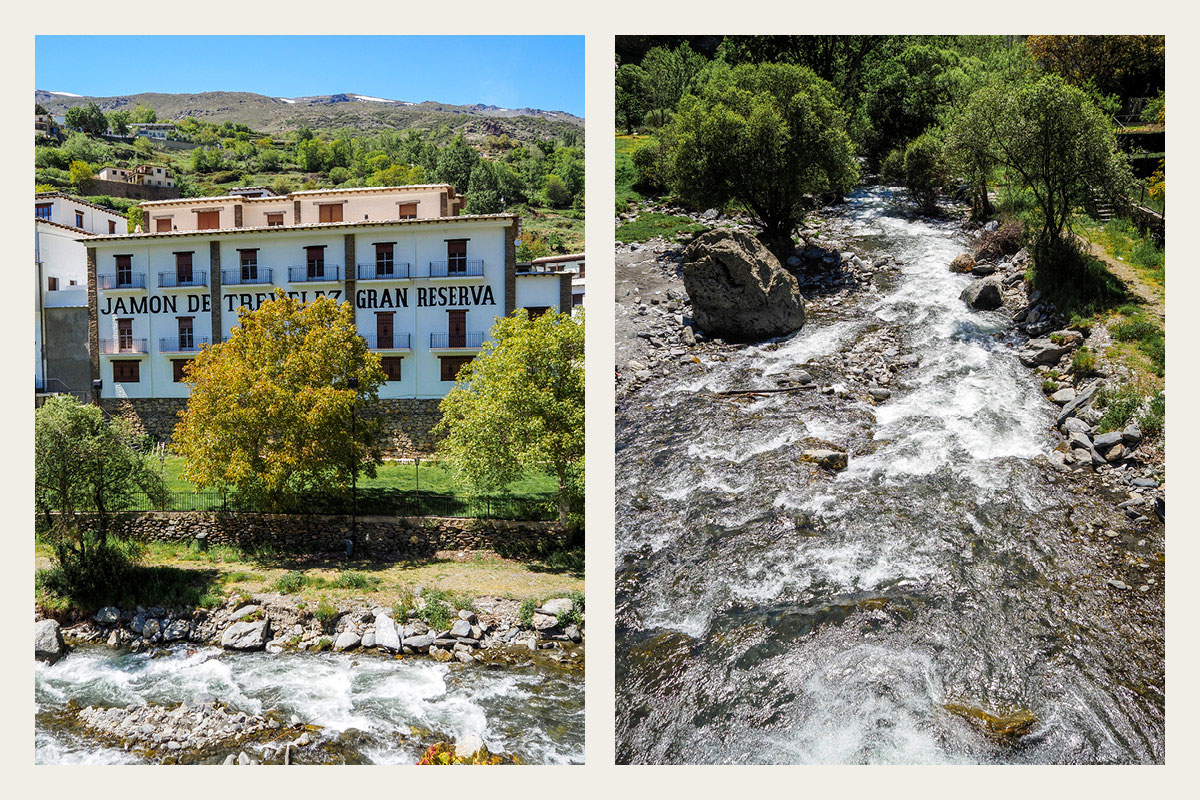
El ascenso comienza tras cruzar el puente, sobre el Guadalfeo que baja cargado por el deshielo, mientras la carretera se retuerce en curvas constantes que ganan altura poco a poco. Órgiva queda atrás, cada vez más pequeña, y su entorno se revela en perspectiva. El camino conduce hasta Pampaneira, una de las localidades que integran el Barranco de Poqueira, conocida por su colorido y su carácter acogedor.
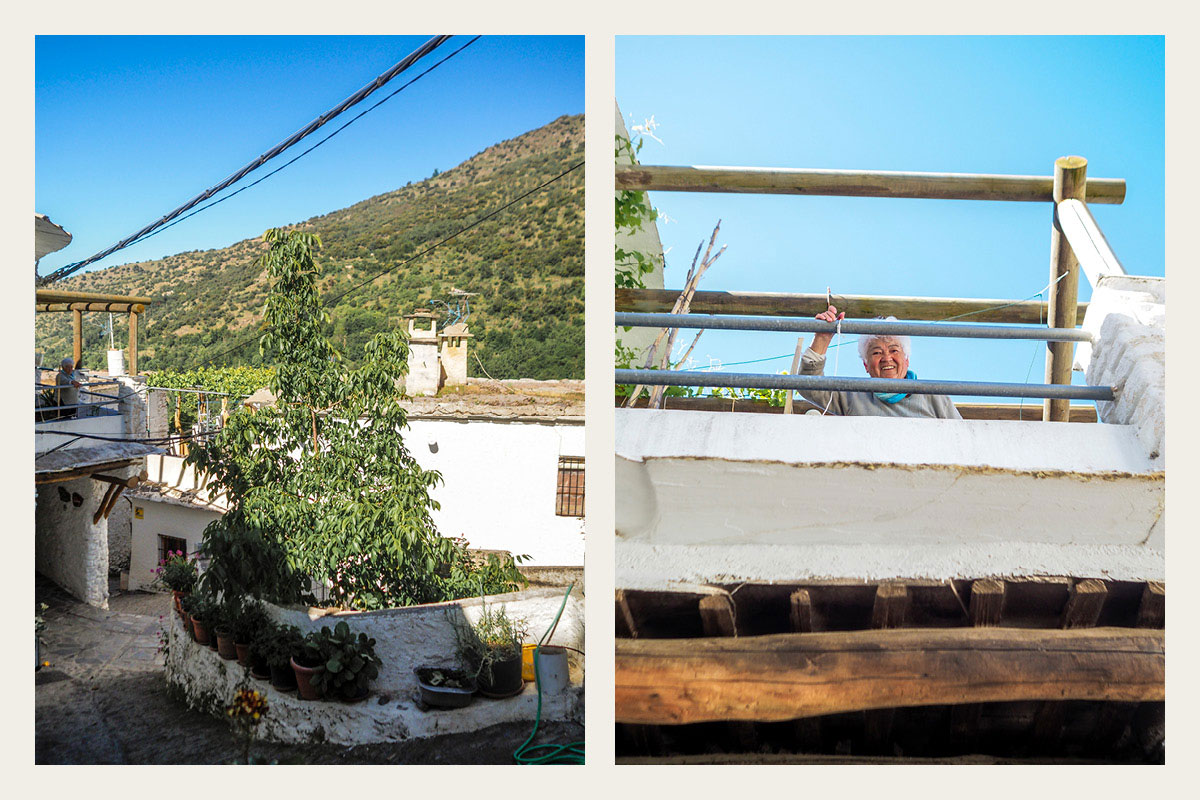
Uno llega sin ser del todo consciente del ritmo que traía, pero algo empieza a transformarse. No es un cambio brusco, sino una transición suave: el cuerpo se destensa, la atención se posa en los detalles y el tiempo parece alargarse. A esa sensación se suma un elemento inesperado que termina de definir la experiencia desde el primer momento: el silencio.
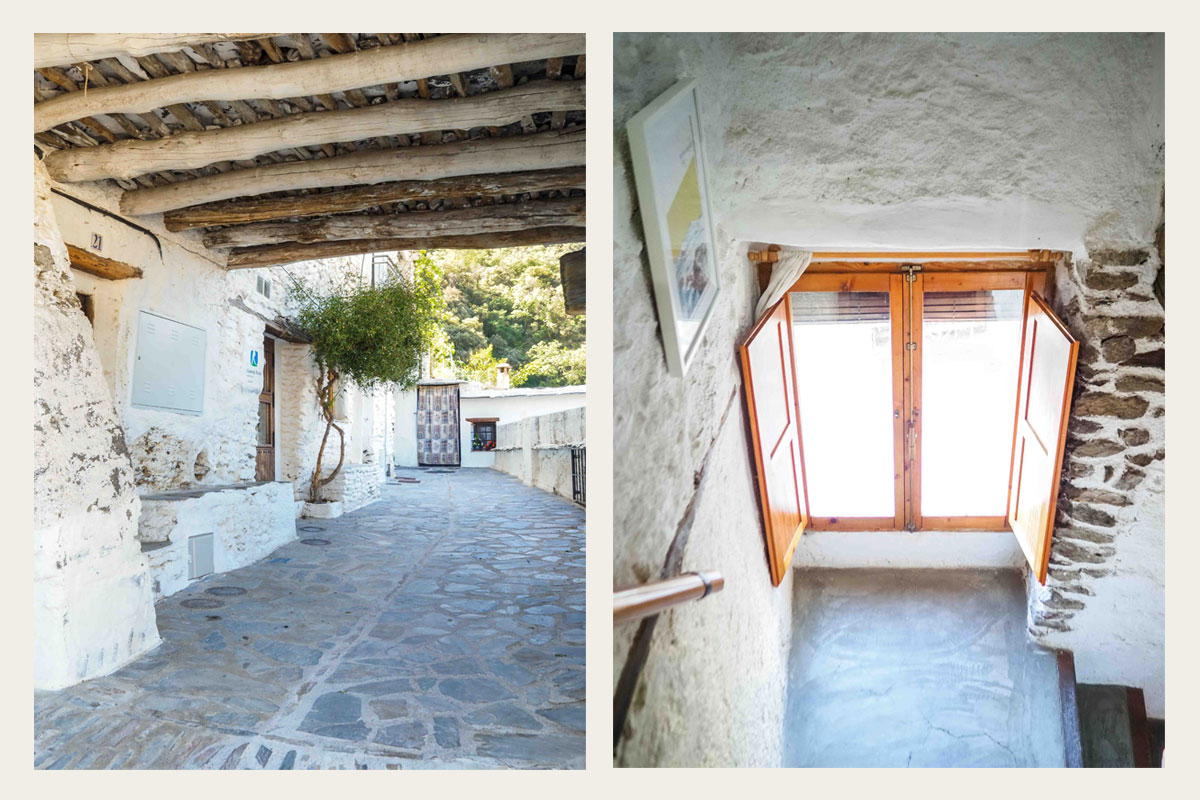
Aparcamos en la parte alta del pueblo, conscientes de que aquí tocará subir y bajar por un entramado de callejuelas que invitan a detenerse a cada paso. Ya sea por las vistas o por los pequeños rincones que aparecen sin previo aviso, el paseo se convierte en una experiencia pausada. Llegamos a “Casa Abel”, una vivienda pequeña y tradicional, acogedora y sin artificios. Techos bajos, madera, silencio y una chimenea que no está ahí para decorar. Todo parece pensado para lo esencial: descansar.
casa abel
casa abel
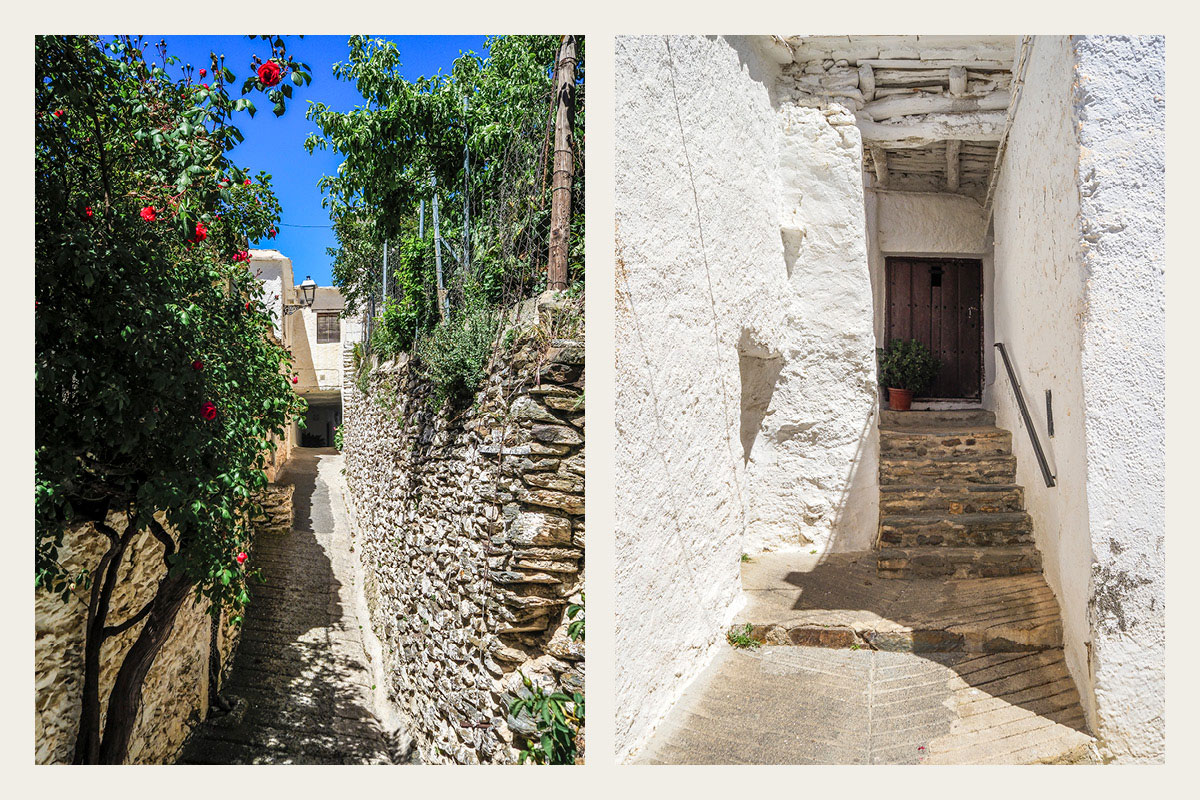
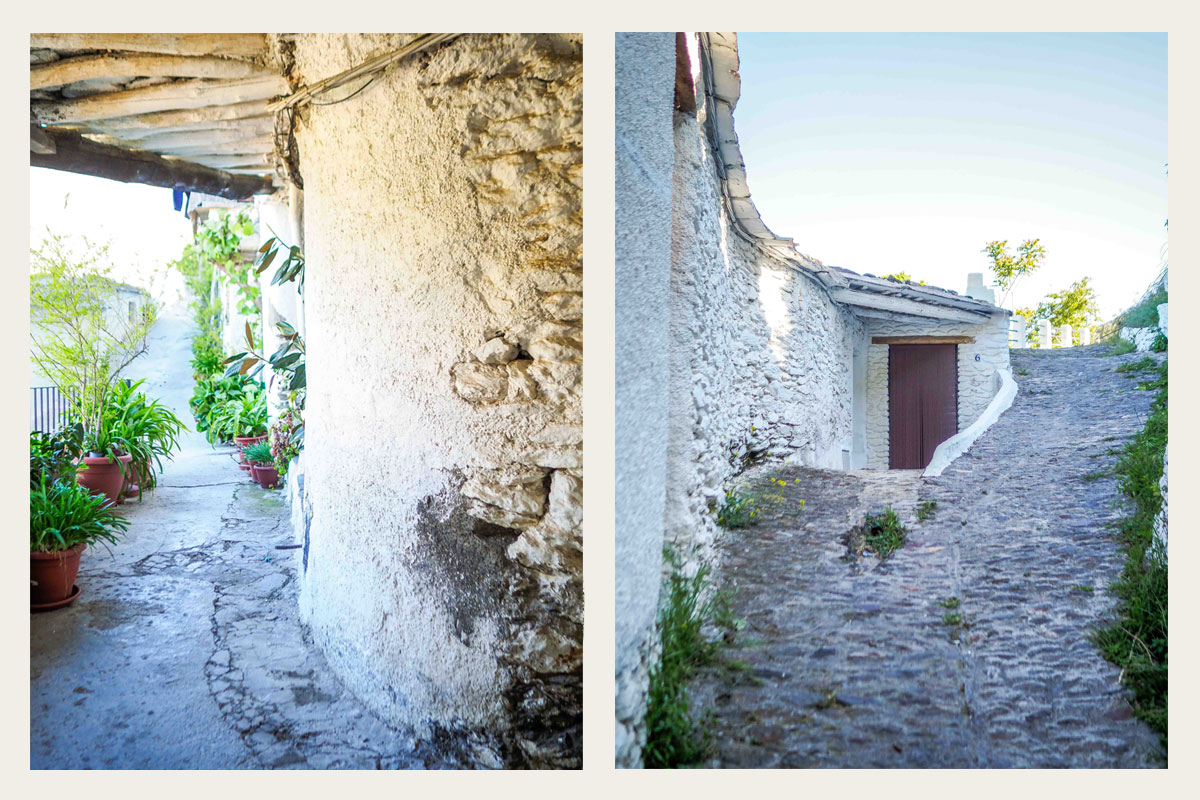
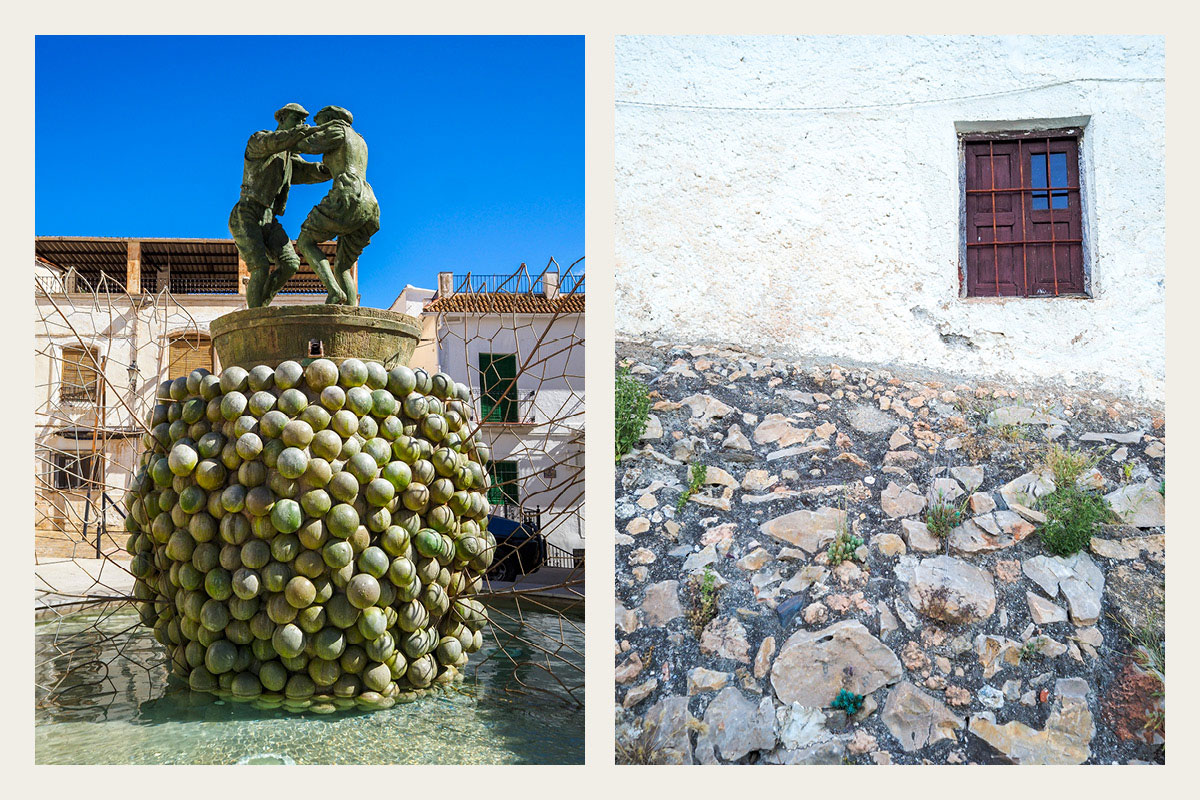
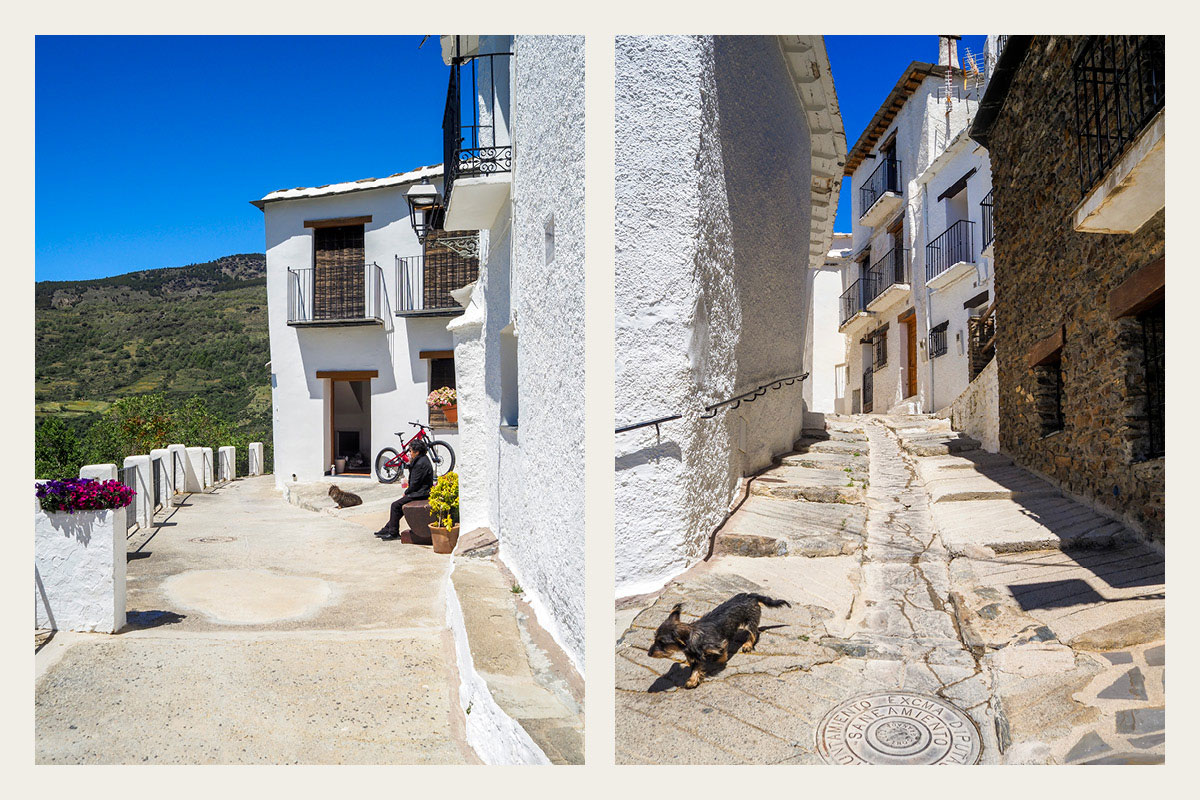
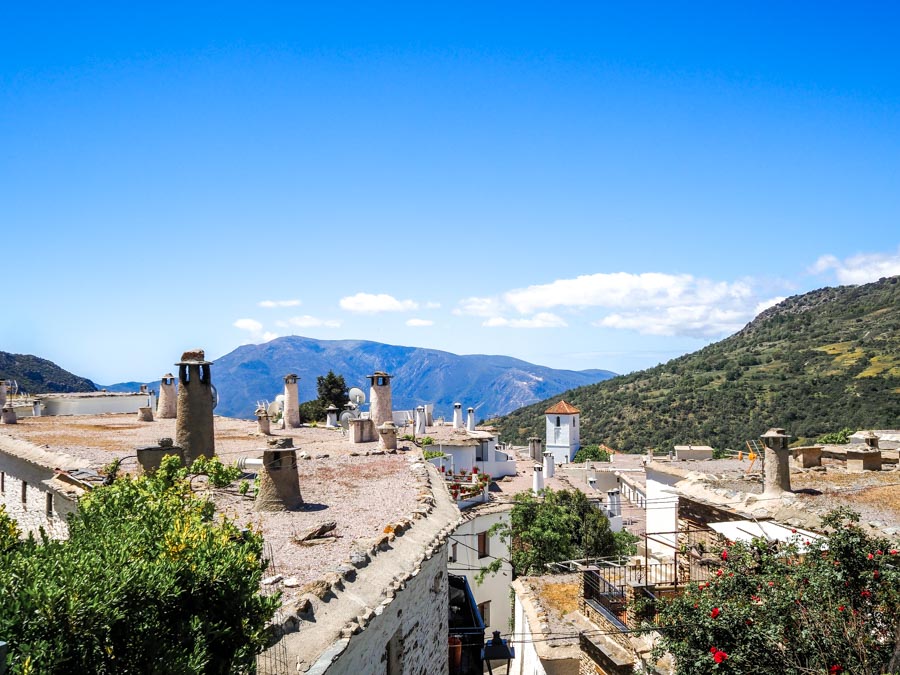
Pampaneira hay que caminarla, sus calles que suben y bajan se estrechan y se abren sin lógica aparente, mientras los tinaos proyectan sombras irregulares sobre las fachadas encaladas. En cada rincón se percibe una sensación difícil de definir: la de estar en un lugar auténtico, que sigue siendo fiel a sí mismo. Aquí no hay listas de imprescindibles ni monumentos que marcar; hay pequeñas tiendas, conversaciones pausadas y una forma de estar que invita a bajar el ritmo sin imponerlo.
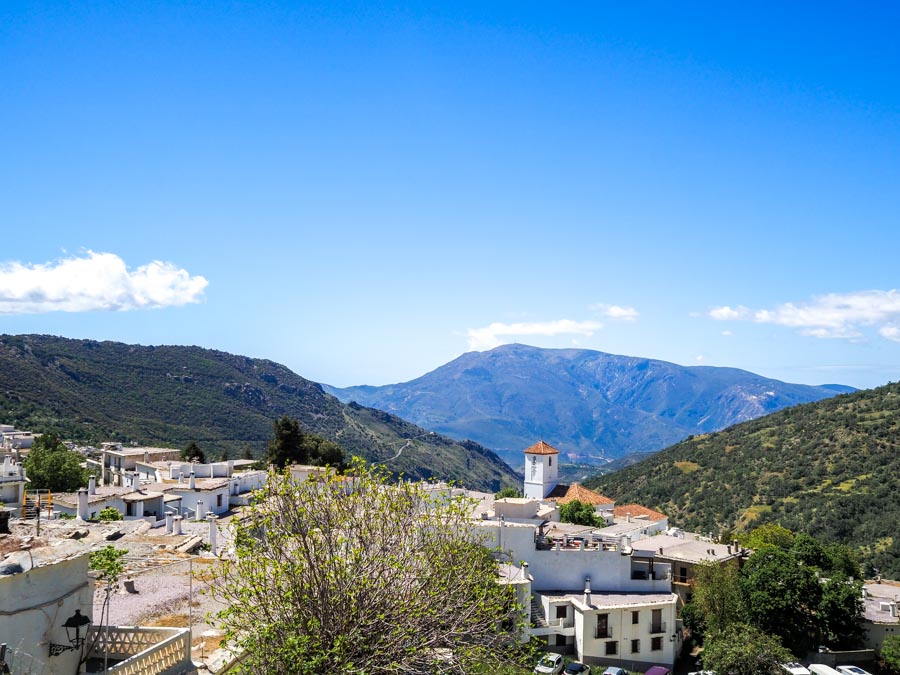
Desde Capileira, uno de los pueblos más altos del Barranco de Poqueira, el paisaje se abre en toda su amplitud hacia la vertiente sur de Sierra Nevada. Esta zona de montaña, ya dentro del Parque Nacional, muestra un carácter más agreste y menos domesticado que otras áreas de la sierra. La luz incide con mayor fuerza sobre las laderas, la tierra aparece más seca y los senderos, que discurren junto a antiguas acequias de origen tradicional usadas históricamente para el riego, invitan a caminar sin prisa. Y precisamente eso hacemos: no podemos marcharnos de aquí sin disfrutar de una buena ruta a pie.
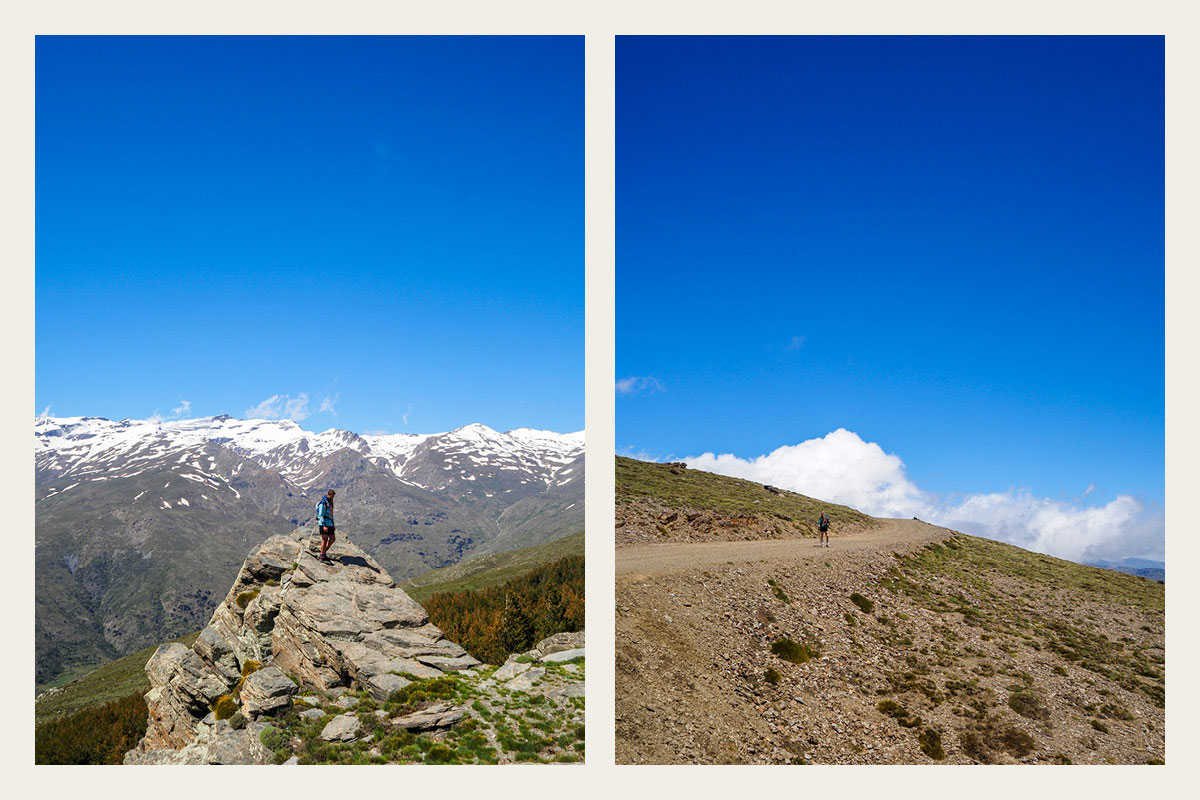
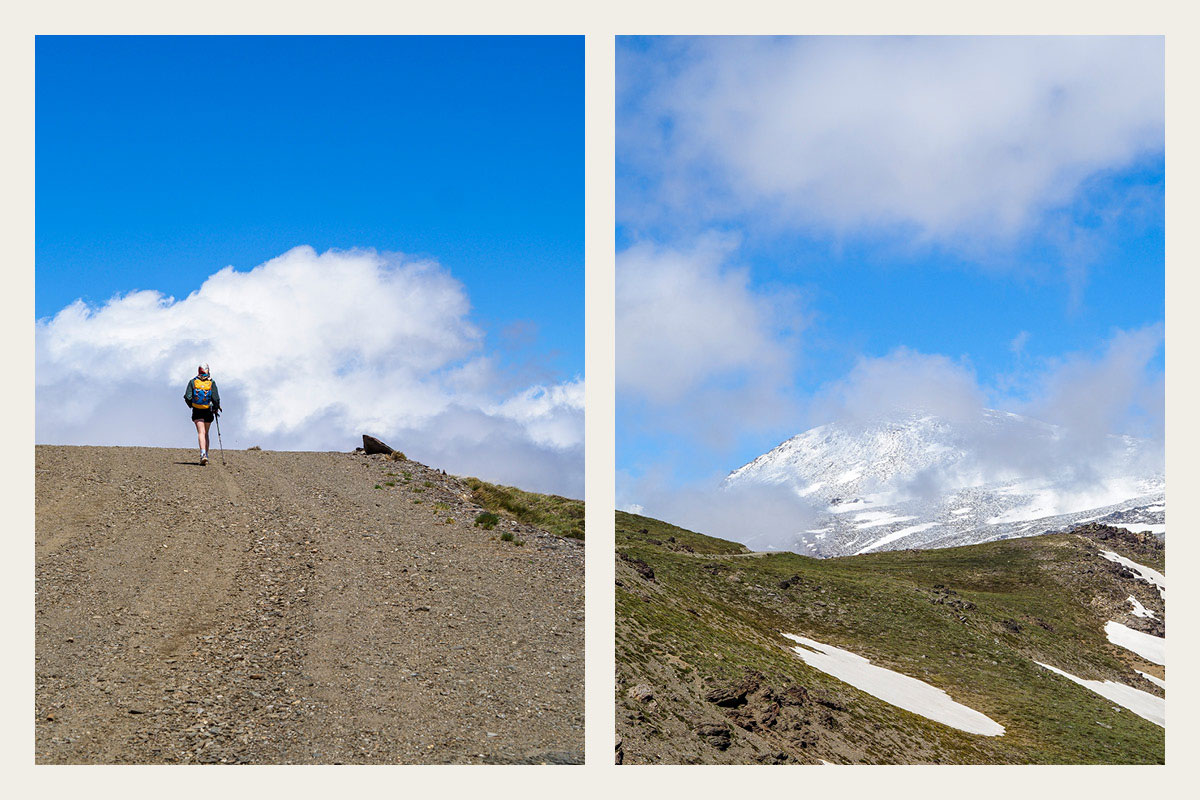
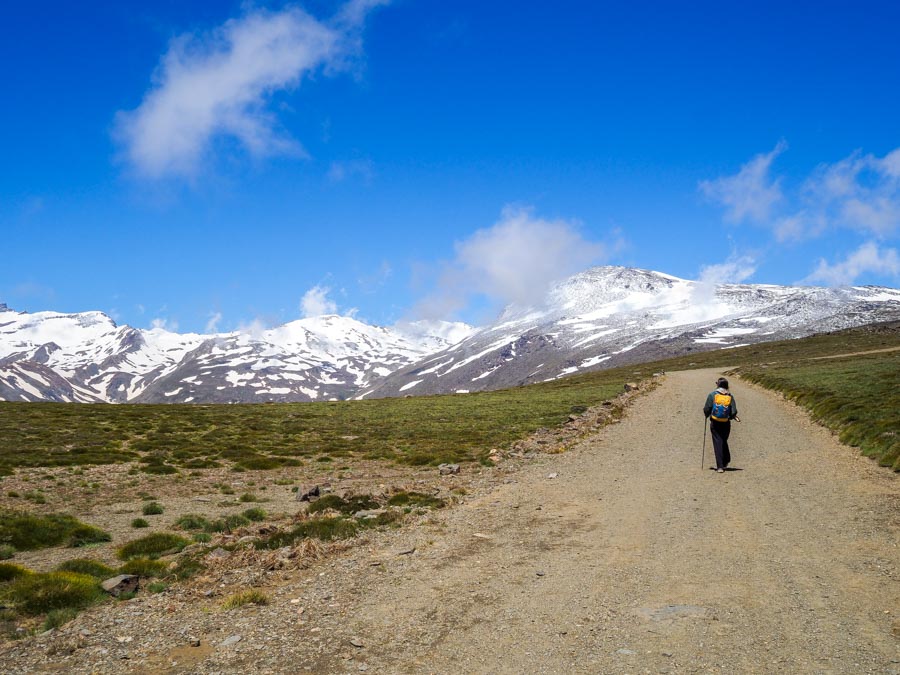
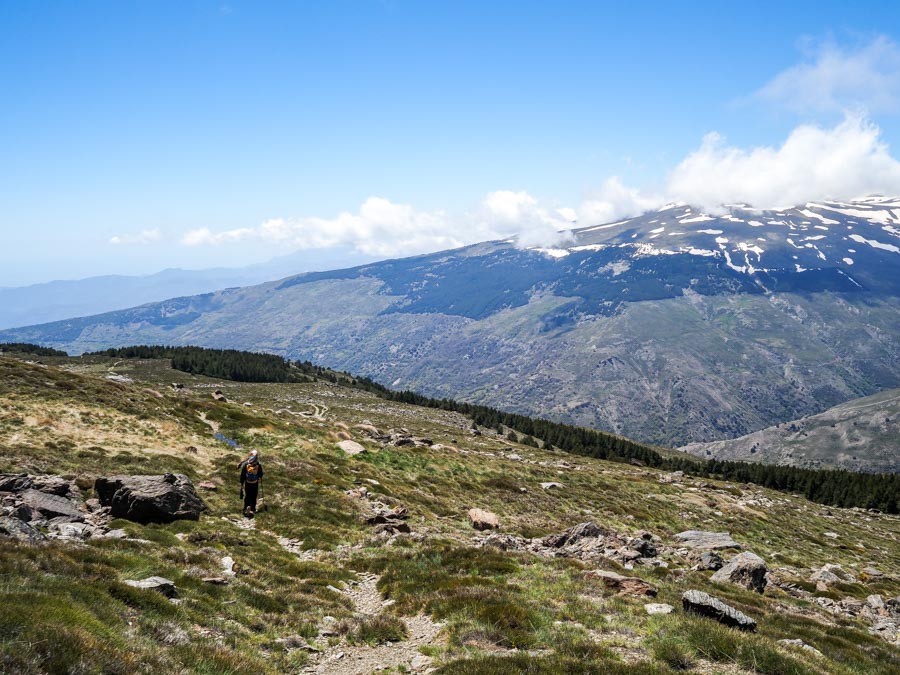
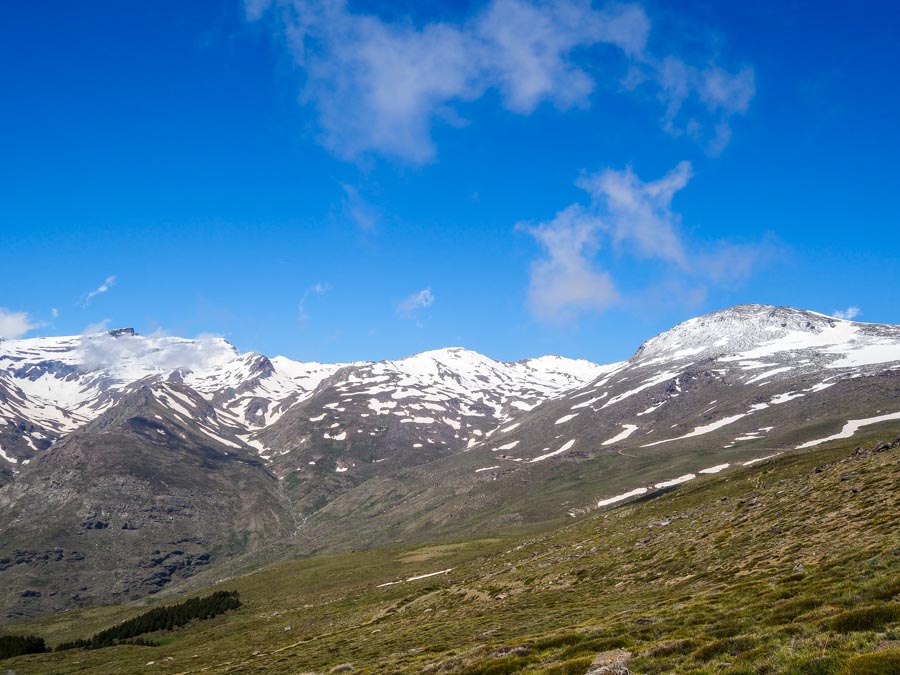
La excursión comienza en el aparcamiento de la Hoya del Portillo, punto habitual de acceso a las rutas de alta montaña en esta zona. En el primer tramo, el sendero se adentra en un denso pinar de repoblación que cubre buena parte de la ladera. En el Mirador de Puerto Molina, tras salir del bosque, se abren vistas amplias y espectaculares del Parque Natural y de las cumbres cercanas. Más adelante, en la zona de Loma del Tanto y el Cascajar Negro, el sendero continúa ascendiendo por la ladera, alternando tramos de vereda con pistas de tierra. El paisaje se vuelve cada vez más abierto, con panorámicas extensas de la sierra. Durante el ascenso nos encontramos con el deshielo de Sierra Nevada, que desciende por la montaña en forma de pequeños arroyos y láminas de agua, como lenguas que recorren la roca y la tierra aún fría de la altura. Esa presencia del agua en movimiento, en contraste con la aridez del entorno, invita a detenerse y observar. Una estampa especialmente llamativa en este tramo de la ruta.
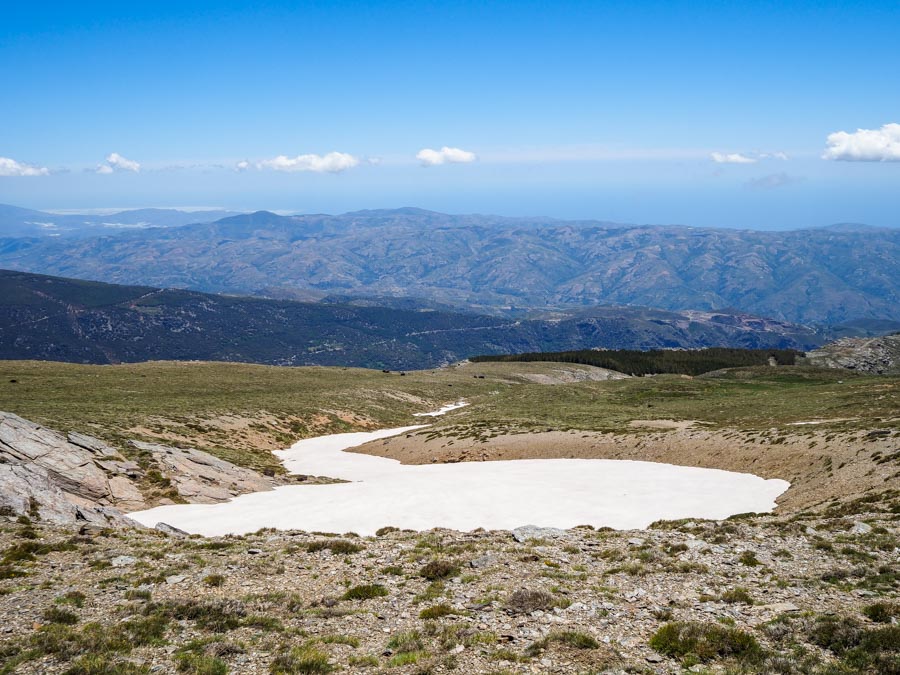
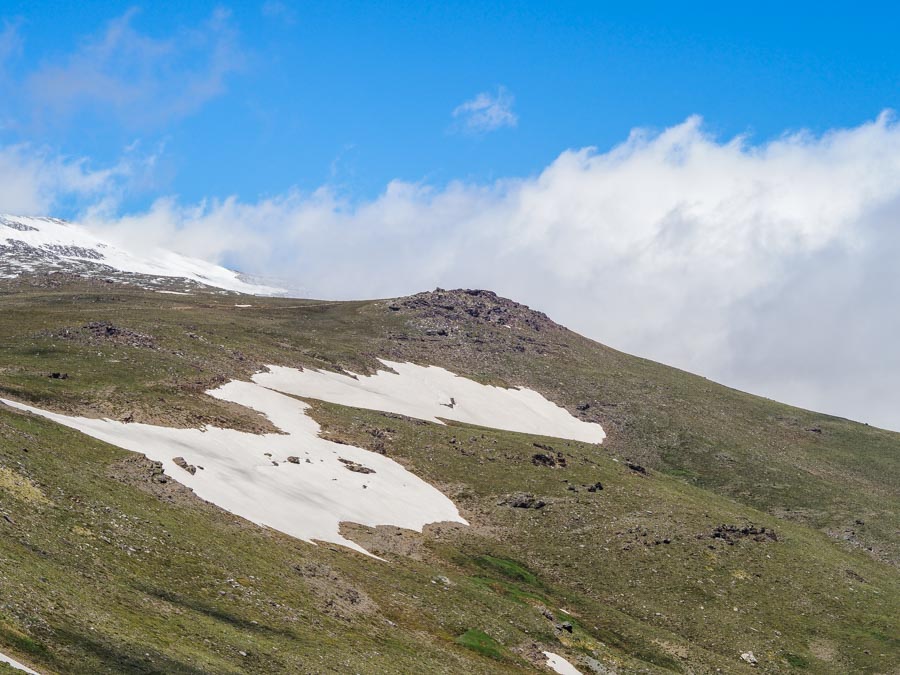
Finalmente, se alcanza el Alto del Chorrillo, un punto estratégico situado a 2.721 metros de altitud. Desde aquí convergen varios caminos de la Alpujarra granadina y se abre la posibilidad de continuar la ascensión hacia la cumbre del Mulhacén, el pico más alto de la península ibérica.
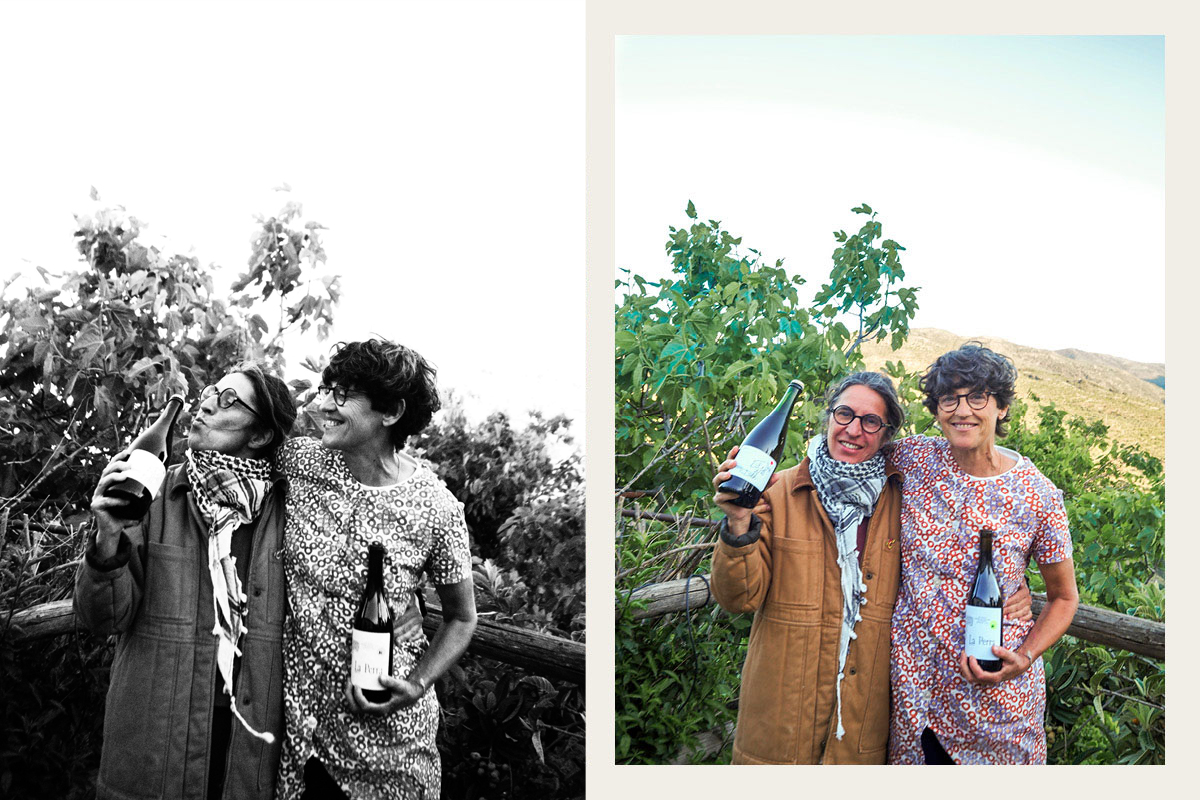
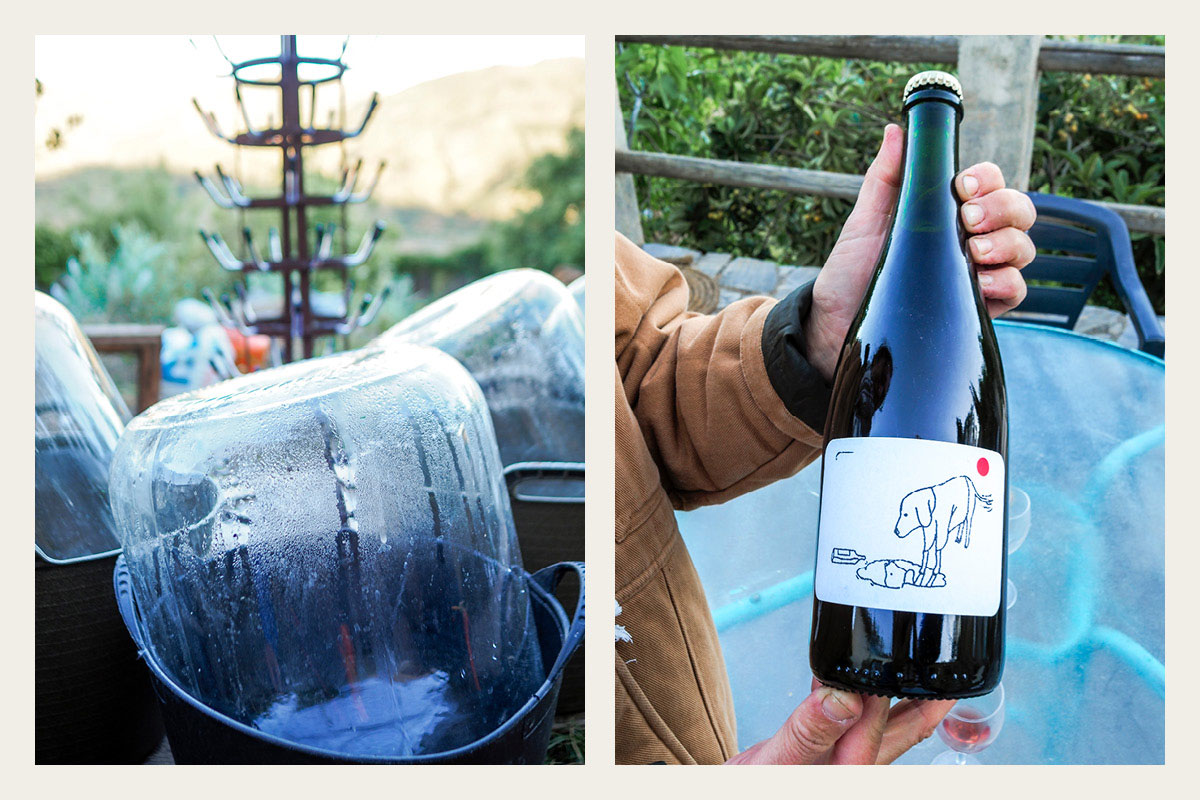
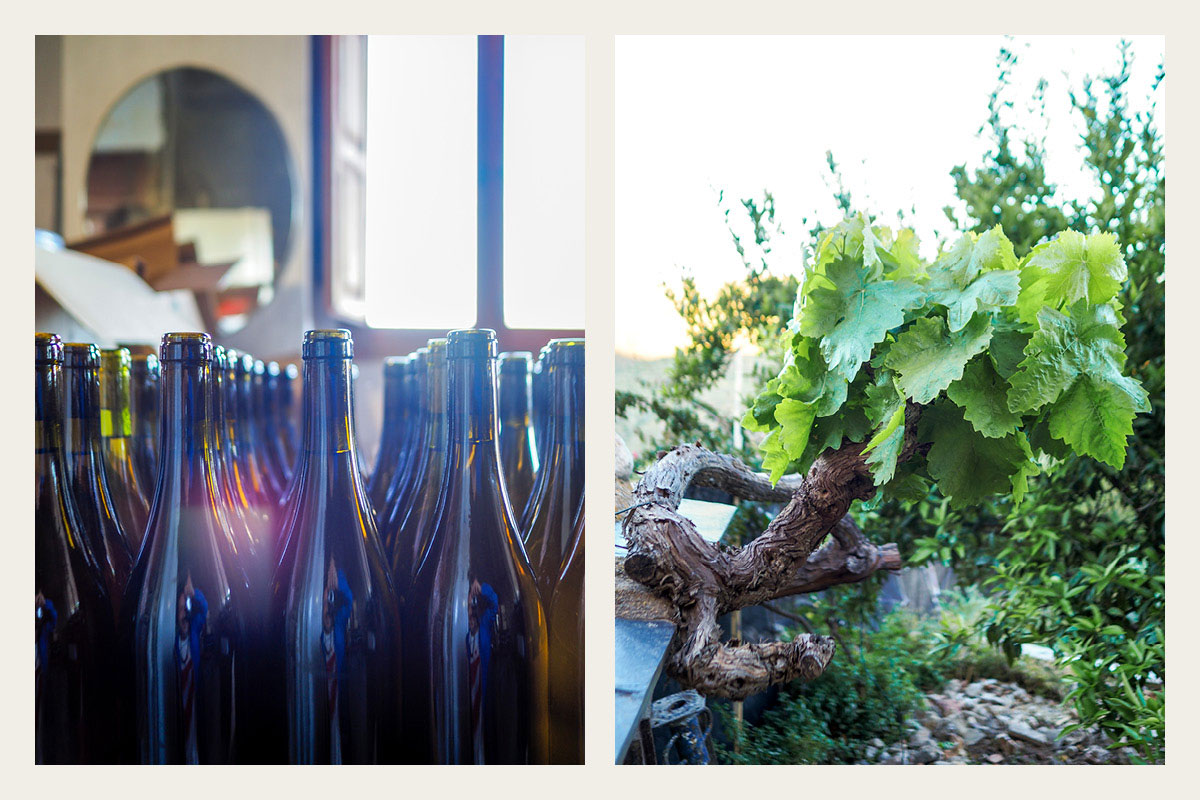
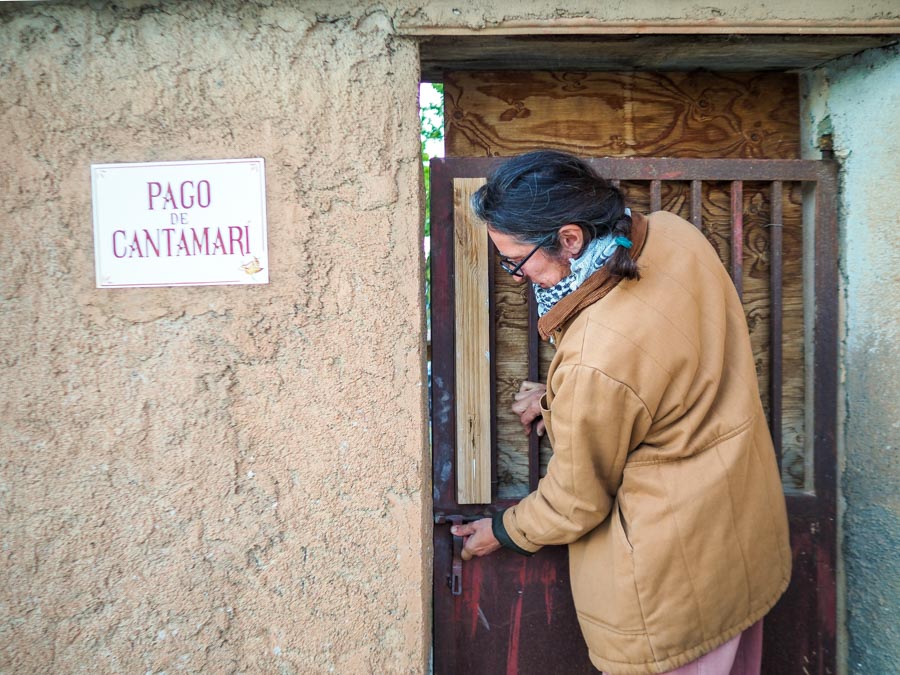
A pocos kilómetros, casi al margen de los itinerarios habituales, se encuentra Almegíjar. Un pequeño pueblo donde los vecinos se conocen, se ayudan y se sostienen mutuamente. Es aquí donde nace “Viña Niebla”, el proyecto de Mónica y María, que va más allá de la producción de vino: es una forma de entender la vida. Por ahora, un proyecto de pequeña escala, un vino natural íntimo, destinado al autoconsumo. Sin embargo, en su manera de elaborarlo, sin prisa, sin artificios y con mucho amor y respeto, se intuye todo su potencial. Nos reciben con una sonrisa y una actitud tan positiva que resulta contagiosa. Son de esas personas que inspiran y demuestran que es posible cambiar de rumbo cuando se tiene claro lo que se quiere.
Hace un año, Mónica decidió dejar Málaga, abandonar el ritmo acelerado de la ciudad y apostar por un sueño: crear su propio vino natural. Tras adquirir una viña, se instaló en Almegíjar y comenzó esta aventura en un entorno donde todo requiere tiempo: la tierra, las estaciones y las relaciones. Más que un proyecto, es una declaración silenciosa de que otra forma de vivir y de hacer las cosas es posible.
Después de un pequeño recorrido por la huerta, la casa y la bodega aún en construcción, probamos algunos de sus vinos, acompañados de aceitunas que ellas mismas han recogido y aliñado. No es hasta que empieza a anochecer cuando somos conscientes de lo rápido que ha pasado el tiempo desde nuestra llegada y es que, cuando uno está a gusto, el tiempo vuela. Nos despedimos con la certeza de que volveremos, porque está claro que de aquí saldrá algo bueno, algo auténtico, y de verdad que no queremos perdérnoslo.
La Alpujarra no busca impresionar ni acumular experiencias empaquetadas, ni necesita reinventarse; quizás por eso, al marcharse, uno no siente que ha visitado un destino, sino que ha estado en un lugar donde, aunque solo haya sido durante unos días, ha logrado detenerse de verdad. Podrían darse muchas más razones para visitar las Alpujarras, pero tal vez la más importante sea esta: descubrir un lugar que te transporta de inmediato a una forma de vida casi olvidada, una vida sencilla y auténtica.
English:
Escape to Las Alpujarras of Granada: a journey where living slowly is still possible
There are destinations that, more than being recommended, feel like a necessity at least once in a lifetime. Las Alpujarras of Granada belong to that group. This territory, halfway between the mountains and memory, exerts an attraction that is difficult to explain the first time you travel through it. The journey begins when you leave the motorway behind and head towards Órgiva, the gateway to the region. From that point, the road that climbs up the hillside already begins to take shape, surrounded by small white villages that, seen from afar, seem to dissolve into the snows of Sierra Nevada.
The ascent begins after crossing the bridge over the Guadalfeo, which flows down swollen with meltwater, while the road twists through constant bends that gradually gain altitude. Órgiva is left behind, growing smaller and smaller, and its surroundings reveal themselves in perspective. The road leads to Pampaneira, one of the villages that make up the Poqueira Gorge, known for its colour and welcoming character.
You arrive without being fully aware of the pace you were carrying with you, but something begins to transform. It is not a sudden change, but a gentle transition: the body relaxes, attention settles on the details, and time seems to stretch. Added to that feeling is an unexpected element that ends up defining the experience from the very first moment: silence.
We park in the upper part of the village, aware that here we will have to go up and down through a network of narrow streets that invite you to stop at every step. Whether for the views or for the small corners that appear without warning, the walk becomes a slow experience. We arrive at “Casa Abel”, a small, traditional house, welcoming and without artifice. Low ceilings, wood, silence and a fireplace that is not there for decoration. Everything seems designed for the essential: rest.
Pampaneira must be walked. Its streets, which go up and down, narrow and open up with no apparent logic, while the tinaos cast irregular shadows over the whitewashed façades. In every corner there is a feeling that is difficult to define: that of being in an authentic place, one that remains true to itself. Here there are no lists of essentials or monuments to tick off; there are small shops, slow conversations and a way of being that invites you to slow down without imposing it.
From Capileira, one of the highest villages in the Poqueira Gorge, the landscape opens up in all its breadth towards the southern slope of Sierra Nevada. This mountain area, already within the National Park, shows a wilder and less domesticated character than other areas of the sierra. The light falls more strongly on the slopes, the earth appears drier and the paths, which run alongside old traditional irrigation channels historically used for watering the land, invite you to walk without haste. And that is precisely what we do: we cannot leave here without enjoying a good walking route.
The excursion begins at the Hoya del Portillo car park, a usual access point for high-mountain routes in this area. In the first section, the path enters a dense reforested pine forest that covers much of the slope. At the Puerto Molina Viewpoint, after leaving the forest, wide and spectacular views open up over the Natural Park and the nearby peaks. Further on, in the area of Loma del Tanto and Cascajar Negro, the path continues ascending the slope, alternating sections of footpath with dirt tracks. The landscape becomes increasingly open, with extensive panoramic views of the sierra. During the ascent, we encounter the meltwater of Sierra Nevada, descending the mountain in the form of small streams and sheets of water, like tongues running over the rock and the still-cold earth of the heights. This presence of moving water, in contrast with the aridity of the surroundings, invites you to stop and observe. It is a particularly striking scene on this section of the route.
Finally, Alto del Chorrillo is reached, a strategic point located at 2,721 metres above sea level. Several routes of the Alpujarra of Granada converge here, and the possibility opens up of continuing the ascent towards the summit of Mulhacén, the highest peak on the Iberian Peninsula.
A few kilometres away, almost on the margins of the usual itineraries, lies Almegíjar. A small village where neighbours know one another, help one another and support one another. It is here that “Viña Niebla” was born, the project of Mónica and María, which goes beyond wine production: it is a way of understanding life. For now, it is a small-scale project, an intimate natural wine intended for self-consumption. However, in the way they make it, without haste, without artifice and with much love and respect, all its potential can be sensed. They welcome us with a smile and such a positive attitude that it is contagious. They are the kind of people who inspire and show that it is possible to change course when you are clear about what you want.
A year ago, Mónica decided to leave Málaga, abandon the accelerated pace of the city and commit to a dream: creating her own natural wine. After acquiring a vineyard, she settled in Almegíjar and began this adventure in an environment where everything requires time: the land, the seasons and relationships. More than a project, it is a silent declaration that another way of living and doing things is possible.
After a short tour of the vegetable garden, the house and the winery still under construction, we taste some of their wines, accompanied by olives that they themselves have picked and dressed. It is not until night begins to fall that we become aware of how quickly time has passed since our arrival, because when you are comfortable, time flies. We say goodbye with the certainty that we will return, because it is clear that something good will come from here, something authentic, and we truly do not want to miss it.
The Alpujarra does not seek to impress or accumulate packaged experiences, nor does it need to reinvent itself; perhaps that is why, when leaving, you do not feel that you have visited a destination, but that you have been in a place where, even if only for a few days, you have managed to truly stop. Many more reasons could be given to visit Las Alpujarras, but perhaps the most important is this: discovering a place that immediately transports you to an almost forgotten way of life, a simple and authentic life.