Void: interview with Chris Stover
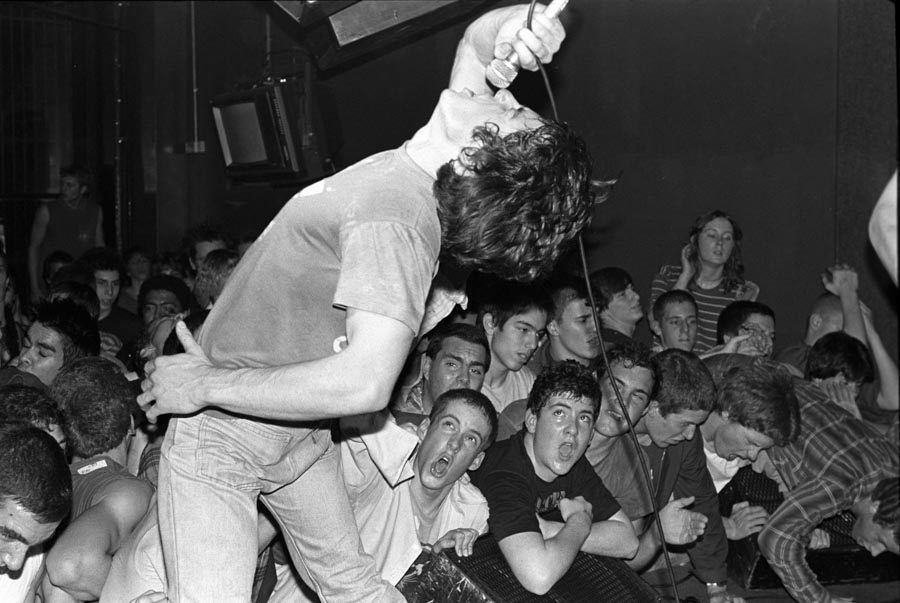
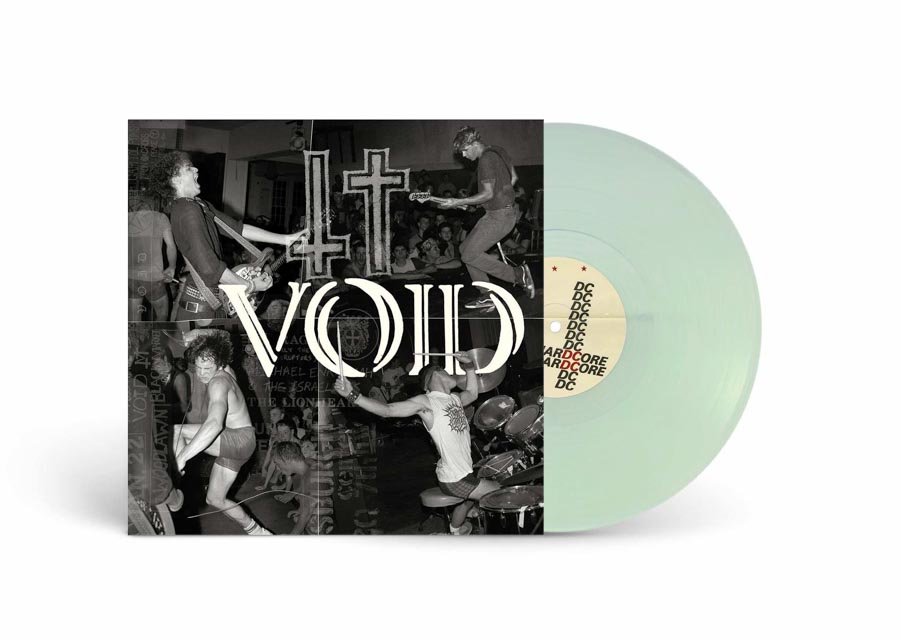
Void were never just another Washington D.C. hardcore band: they were an anomaly. Too fast, too chaotic, too free to fully fit even inside a scene that was busy inventing its own rules. With Live 1982 (Outer Battery records, 2026) finally surfacing, a lost document capturing two essential shows at the Wilson Center and the 9:30 Club, we had the honour of asking Chris Stover, bassist of one of American hardcore’s most legendary and incendiary bands, a few questions.
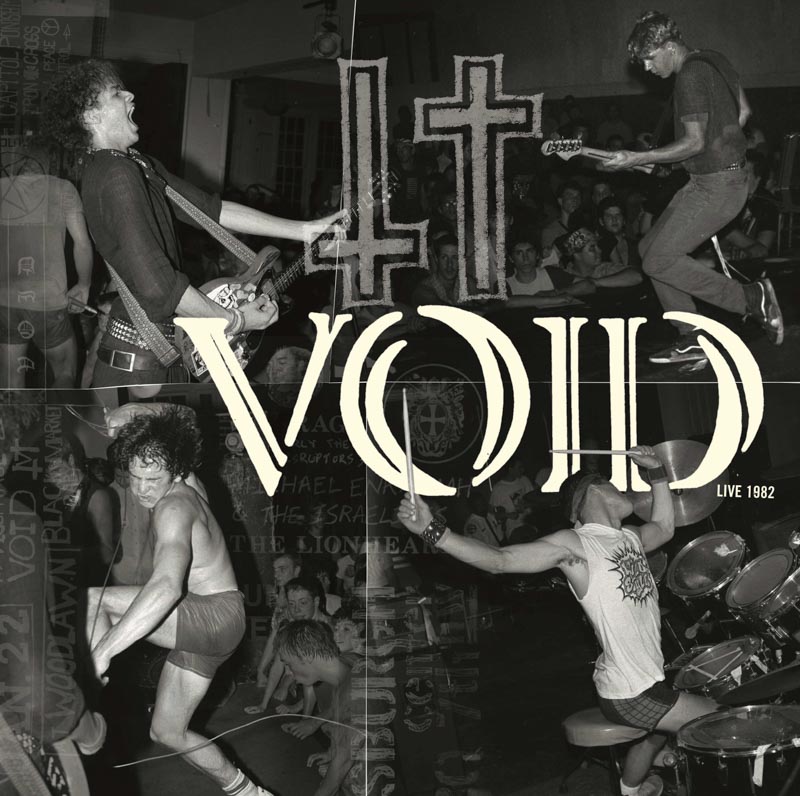
The Live 1982 reissue captures two very specific moments: the Wilson Center and the 9:30 Club. From your perspective on stage, what was the difference between those two nights?
Chris: I think the big difference for me was the venue styles. Wilson Center was where a lot of bands played at once. There was a lot of camaraderie going on. 9:30 Club was much more formal, with sound checks, guest lists and a bar.
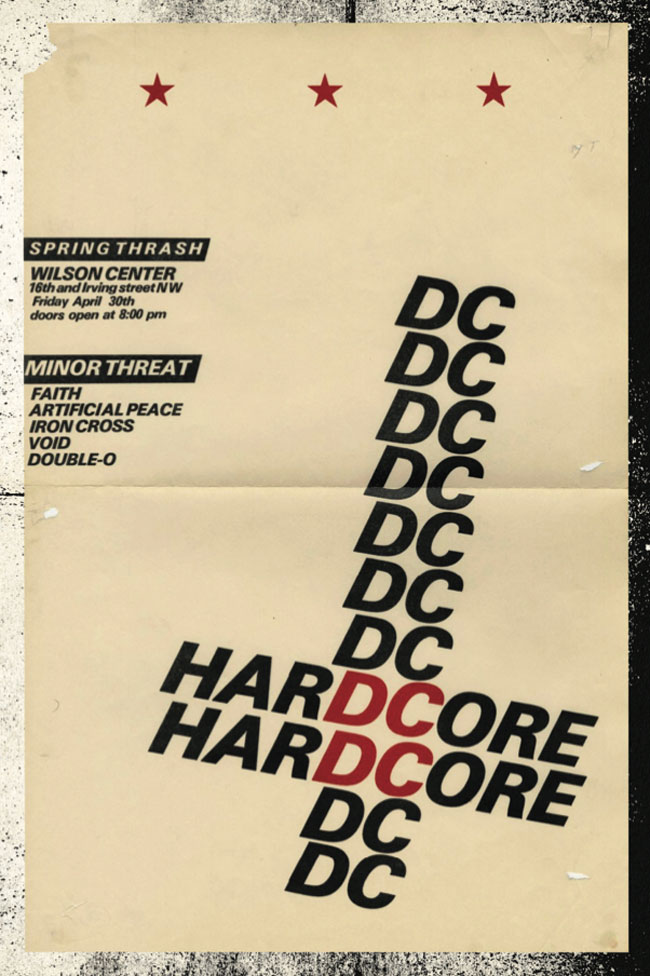
The Wilson Center comes up again and again as a kind of ground zero for the D.C. scene, with bands like Minor Threat and Faith sharing the bill. What made that space feel different from anywhere else?
Chris: It felt different because of the camaraderie. It was more of a big party. Each band passing the baton on to the next band. It was the D.C. hardcore club.
On the B-side, the material feels heavier, more open, almost pointing toward a different mutation of hardcore. At the time, did it feel like you were pushing the language of the scene somewhere new?
Chris: Yes, but as a band we were starting to get interested in other forms of music. We wanted to incorporate those styles into the music, as well as mutate what we were doing.
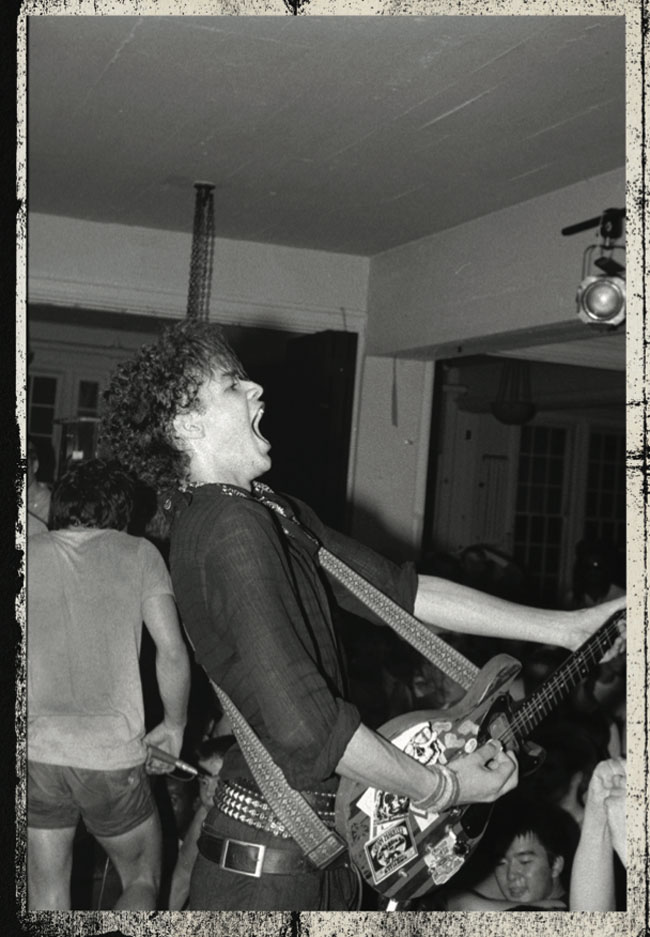
Hearing these recordings now, more than forty years later, what does it mean to you that this material survived and is being heard again?
Chris: I think surprise. We were in our own little world with the scene at the time. We did not have the intention to “make it big”. Forty years is crazy.
After Void ended, what actually stayed with you from that period: the music, the DIY mindset, the sense of community, or something else entirely?
Chris: All of the above. My kids play D.C. hardcore occasionally to fuck with me. The DIY mindset and community is what stayed with me to this day. It influenced me more than anything I learned in high school.
This reissue comes with a 40-page zine. What kind of story or memory does that object build around the record that the audio alone can’t carry?
Chris: It was Rich Jacob’s idea, RIP. He had been talking about it for years. With the release of the record, it was now or never. Rich got it done in time for the release with help from Sohrab Habibion. Thanks, Sohrab!
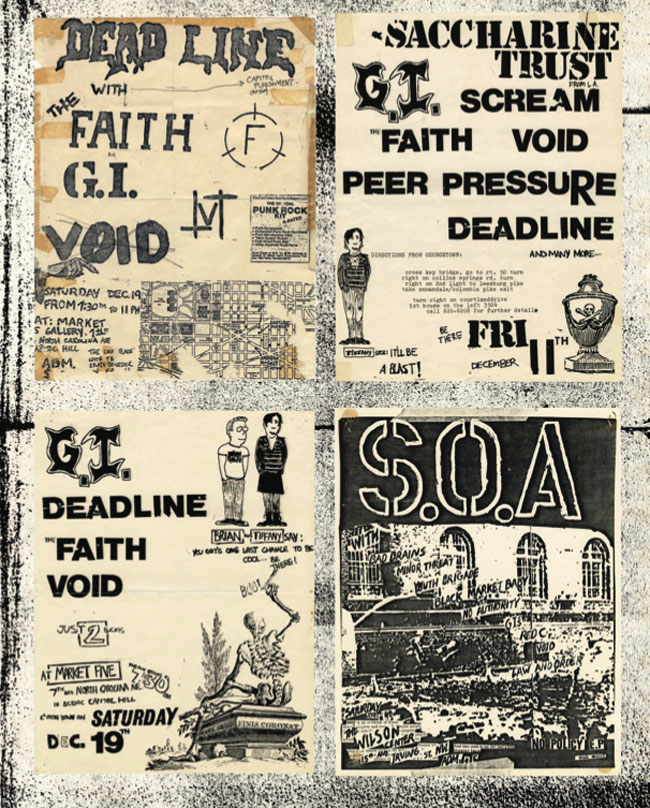
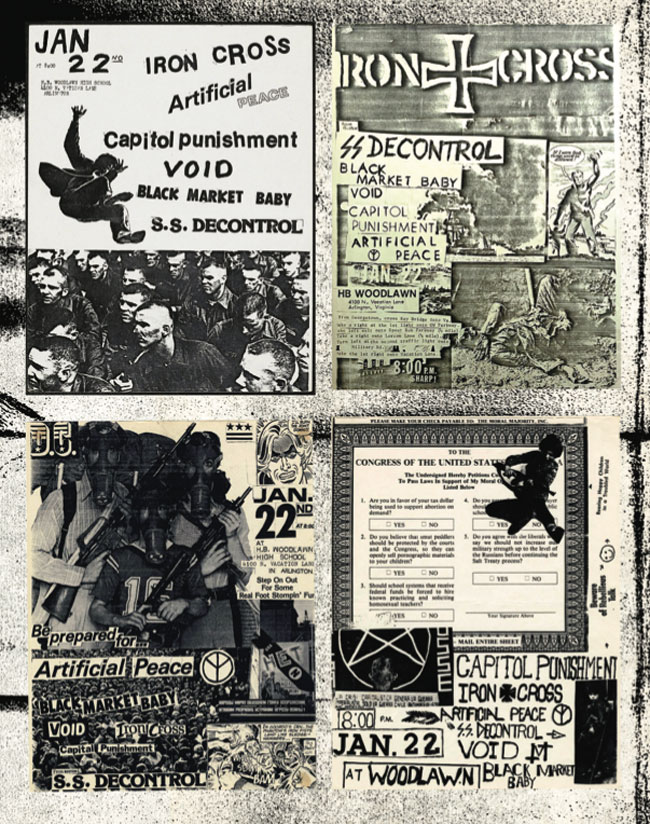
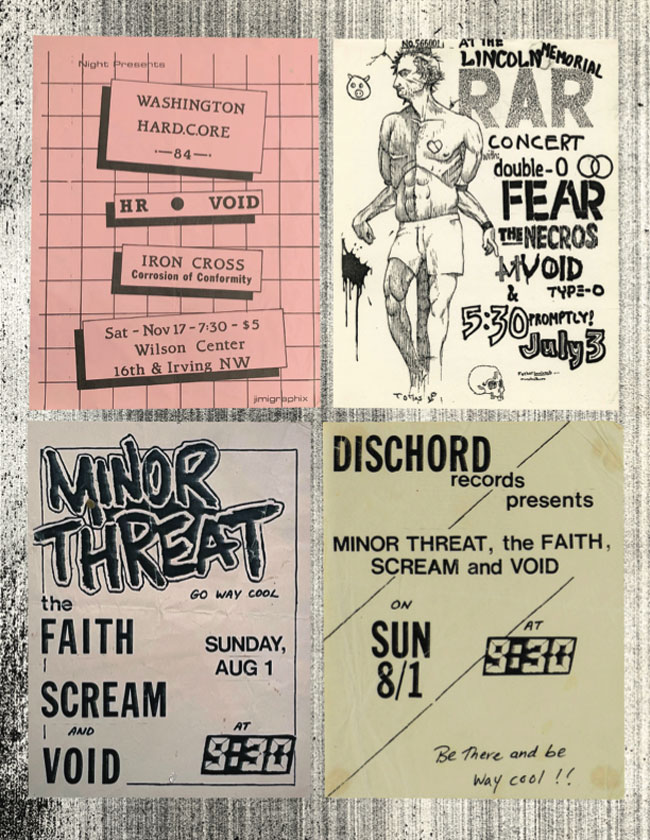
People often romanticize the D.C. circuit, but on a day-to-day level, what did it really mean to be part of that network of spaces, flyers, bands and people?
Chris: We were outside of the D.C. circuit, in Columbia, Maryland. We were doing things on a much smaller scale compared to what was going on in D.C., like flyers and such. The people and bands accepted us and we worked in their ecosystem. A lot of times we were left out because sometimes some of us got grounded and could not participate as much as we wanted. Or if someone could not get into a car for the commute to D.C.
The release is framed as a “no compromises” document. Looking back, do you feel Void was building something of its own, or reacting against everything around it?
Chris: Reacting against everything around us. Not our friends or other bands, but pretty much anything else.
On the Faith/Void split, two very different energies coexist under the same umbrella. How did you understand that tension at the time?
Chris: I think we played off it. I always looked up to Chris Bald, Faith’s bass player, as a mentor. We always liked to play with Faith.
The band’s lifespan was short but extremely intense. Was there a specific moment when you felt like things couldn’t continue in the same way?
Chris: Three out of the four members had plans to go to college. We tried to hold it down for the first year of college, but it just didn’t happen.
There’s something in Void’s sound that always feels on the edge of collapse, but never fully falls apart. Did that balance come from rehearsal, or from trusting instinct?
Chris: We rehearsed on that edge of collapse.
Your bass playing doesn’t just anchor the sound, it often adds more pressure to it. How did you think about your role within that kind of sonic environment?
Chris: I think of it as the thread between Bubba and Sean. Live, we were just trying to hold it down amidst the chaos that was going on around us.
You shared bills with some of the defining bands of that era. What did you take away from seeing how each of them approached intensity on stage?
Chris: I think it got us pumped. If it was in D.C., we got even more pumped because we were playing in front of our friends. There may have been nerves at first, but when we hit the stage they were left backstage.
Even now, Void still feels harder to absorb than many of your contemporaries. What do you think people still don’t fully get about the band?
Chris: I appreciate what people don’t get about the band. It’s cool to hear from people near and far and their impressions. It’s never the same.
SPANISH:
Void: entrevista con Chris Stover
Void no fueron simplemente una banda de hardcore de Washington D.C.: fueron una anomalía. Demasiado rápidos, demasiado caóticos, demasiado libres para encajar del todo incluso dentro de una escena que estaba inventando sus propias reglas. Con motivo de la edición de Live 1982 (Outer Battery records, 2026), un documento perdido que rescata dos conciertos esenciales en el Wilson Center y el 9:30 Club, tuvimos el honor de hacerle unas preguntas a Chris Stover, bajista de una de las bandas más legendarias e incendiarias del hardcore americano.
La reedición de Live 1982 captura dos momentos muy concretos: el Wilson Center y el 9:30 Club. Desde tu perspectiva sobre el escenario, ¿cuál fue la diferencia entre aquellas dos noches?
Chris: Creo que la gran diferencia para mí estaba en el tipo de sala. El Wilson Center era un lugar donde tocaban muchas bandas a la vez. Había mucha camaradería. El 9:30 Club era mucho más formal, con pruebas de sonido, listas de invitados y bar.
El Wilson Center aparece una y otra vez como una especie de punto cero para la escena de D.C., con bandas como Minor Threat y Faith compartiendo cartel. ¿Qué hacía que aquel espacio fuese distinto a cualquier otro?
Chris: Se sentía diferente por la camaradería. Era más como una gran fiesta. Cada banda le pasaba el testigo a la siguiente. Era el club del hardcore de D.C.
En la cara B, el material se siente más pesado, más abierto, casi apuntando hacia una mutación distinta del hardcore. En aquel momento, ¿sentíais que estabais empujando el lenguaje de la escena hacia otro lugar?
Chris: Sí, pero como banda estábamos empezando a interesarnos por otras formas de música. Queríamos incorporar esos estilos a lo que hacíamos, y también mutar nuestra propia música.
Escuchar estas grabaciones ahora, más de cuarenta años después, ¿qué significa para ti que este material haya sobrevivido y vuelva a ser escuchado?
Chris: Creo que sorpresa. En aquel momento estábamos en nuestro pequeño mundo con la escena. No teníamos intención de “llegar a lo grande”. Cuarenta años es una locura.
Después del final de Void, ¿qué fue lo que realmente se quedó contigo de aquel periodo: la música, la mentalidad DIY, el sentido de comunidad o algo completamente distinto?
Chris: Todo eso. Mis hijos ponen hardcore de D.C. de vez en cuando para tocarme las narices. La mentalidad DIY y la comunidad es lo que se quedó conmigo hasta hoy. Me influyó más que cualquier cosa que aprendiera en el instituto.
Esta reedición incluye un fanzine de 40 páginas. ¿Qué tipo de historia o memoria construye ese objeto alrededor del disco que el audio por sí solo no puede transmitir?
Chris: Fue idea de Rich Jacobs (DEP). Llevaba años hablando de hacerlo. Con la salida del disco, era ahora o nunca. Rich consiguió terminarlo a tiempo para el lanzamiento con la ayuda de Sohrab Habibion. ¡Gracias, Sohrab!
La gente suele romantizar el circuito de D.C., pero en el día a día, ¿qué significaba realmente formar parte de esa red de espacios, flyers, bandas y gente?
Chris: Nosotros estábamos fuera del circuito de D.C., en Columbia, Maryland. Hacíamos las cosas a una escala mucho más pequeña en comparación con lo que pasaba en D.C., como los flyers y todo eso. La gente y las bandas nos aceptaron, y trabajamos dentro de su ecosistema. Muchas veces nos quedábamos fuera porque a veces alguno de nosotros estaba castigado y no podía participar tanto como quería. O porque alguien no podía entrar en un coche para ir hasta D.C.
La reedición se presenta como un documento “sin concesiones”. Mirando atrás, ¿sientes que Void estaba construyendo algo propio o reaccionando contra todo lo que tenía alrededor?
Chris: Reaccionando contra todo lo que teníamos alrededor. No contra nuestros amigos ni contra otras bandas, pero sí contra prácticamente todo lo demás.
En el split Faith/Void conviven dos energías muy distintas bajo un mismo paraguas. ¿Cómo entendías esa tensión en aquel momento?
Chris: Creo que jugábamos con eso. Siempre vi a Chris Bald, el bajista de Faith, como un mentor. Siempre nos gustó tocar con Faith.
La vida de la banda fue corta pero extremadamente intensa. ¿Hubo un momento concreto en el que sentiste que las cosas no podían continuar de la misma manera?
Chris: Tres de los cuatro miembros tenían planes de ir a la universidad. Intentamos aguantar durante el primer año de universidad, pero simplemente no ocurrió.
Hay algo en el sonido de Void que siempre parece estar al borde del colapso, pero nunca termina de venirse abajo. ¿Ese equilibrio venía del ensayo o de confiar en el instinto?
Chris: Ensayábamos en ese borde del colapso.
Tu bajo no solo ancla el sonido, muchas veces añade todavía más presión. ¿Cómo pensabas tu papel dentro de ese entorno sonoro?
Chris: Lo pienso como el hilo entre Bubba y Sean. En directo simplemente intentábamos mantenerlo todo en pie en medio del caos que estaba ocurriendo a nuestro alrededor.
Compartisteis cartel con algunas de las bandas que definieron aquella época. ¿Qué aprendisteis viendo cómo cada una de ellas abordaba la intensidad sobre el escenario?
Chris: Creo que nos motivaba. Si era en D.C., nos motivaba todavía más porque estábamos tocando delante de nuestros amigos. Puede que al principio hubiese nervios, pero cuando salíamos al escenario se quedaban entre bambalinas.
Incluso ahora, Void sigue pareciendo más difícil de asimilar que muchos de sus contemporáneos. ¿Qué crees que la gente todavía no termina de entender de la banda?
Chris: Aprecio lo que la gente no entiende de la banda. Es genial escuchar a gente de cerca y de lejos y conocer sus impresiones. Nunca son iguales.