Samuel Párraga
Desde la raíz: entre suelos antiguos y vinos con verdad
Samuel Párraga, viticultor natural de Cártama (Málaga) y con una fuerte proyección dentro y fuera de nuestras fronteras, dedica su vida a rastrear viñas olvidadas y rescatar variedades que el tiempo quiso enterrar. Le mueve la curiosidad y el respeto por la tierra, es su filosofía para elaborar vinos de forma artesanal, natural y auténtica. Su amplia gama de vinos incluye espumosos ancestrales, blancos, orange, tintos y dulces.
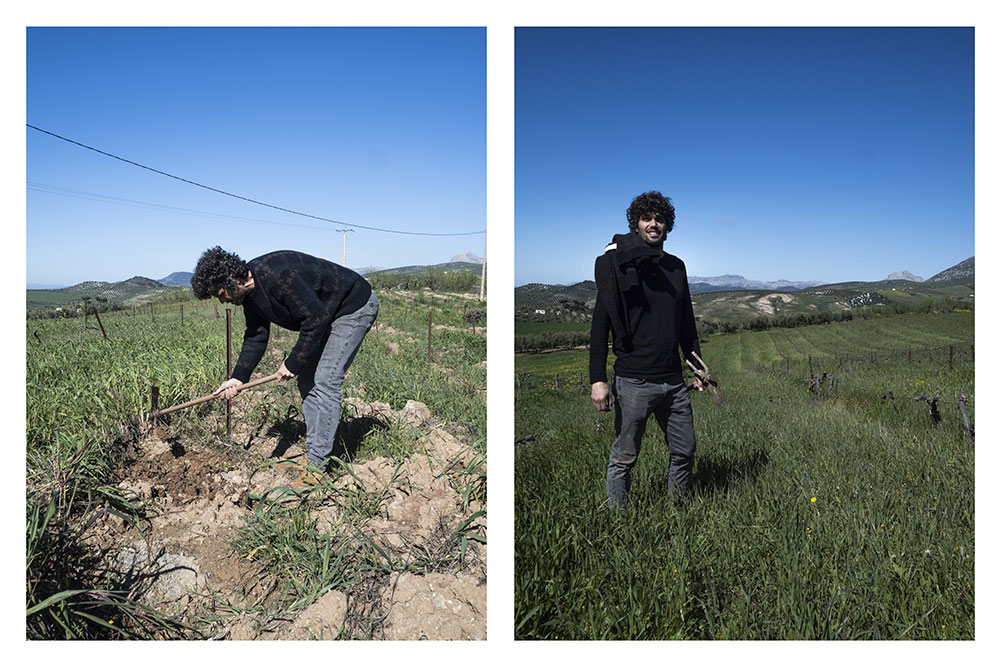
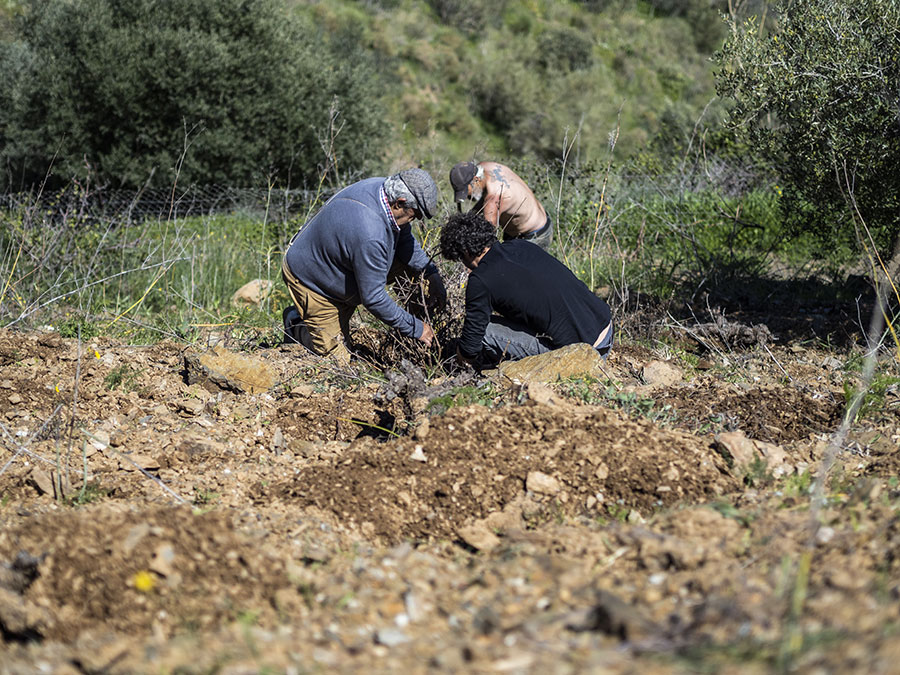
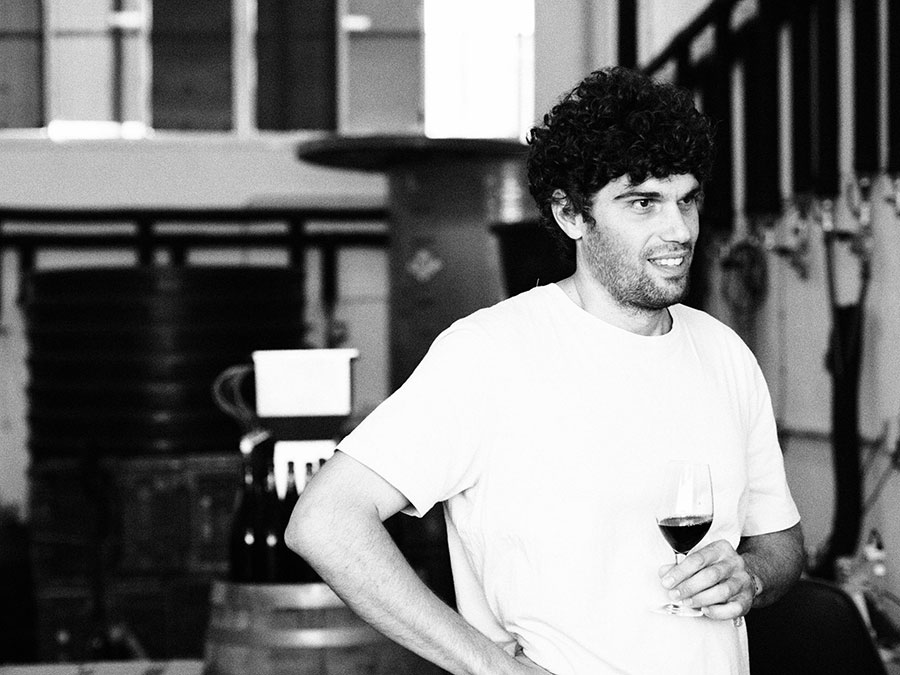
Samuel nos recibe sonriente y con ganas de charla en Coín, donde actualmente tiene su bodega, es desde aquí y sin dudar donde nos cuenta que le gustaría pasar más tiempo en el campo, porque es lo que más le gusta de hacer vinos.
En este sentido, y con varias muestras de suelo en la mesa de trabajo, Samuel recuerda con especial cariño sus años de estudiante, cuando una de las materias que más le fascinaba era la edafología, la ciencia, centrada en el estudio del suelo, su composición, estructura y dinámica que explora cómo este soporte vital se relaciona con la vida, especialmente con las plantas. Una forma de entender la Tierra desde sus entrañas.
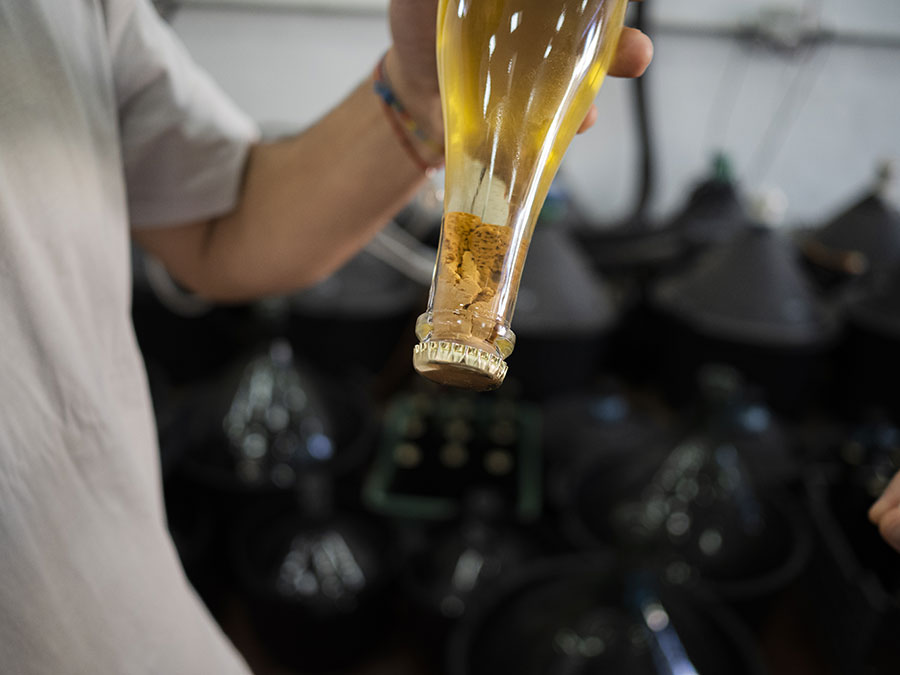
La charla empieza sola, y se torna distendida, Samuel abre un tinto, lo probamos y brindamos. Durante la conversación comentamos el vino, su aroma “huele a guindas”, nos dice sonriendo.
Queremos empezar sabiendo un poco el origen de todo este proyecto, ¿es un proyecto que viene de familia o la historia nace en ti?
Si, el origen es de familia, por parte mayormente de mi familia paterna, aunque en la familia de mi madre también hacían vino, pero los que marcaron todo esto, han sido por parte de mi padre. Mi abuelo era de Colmenar y mi abuela del Puerto del Barco, que es Villanueva de Cauche, una pedanía de Antequera, pero está cerca de Colmenar. Aunque mi proyecto es independiente de la familia, ellos sembraron la semilla de la elaboración de los vinos.
Y este vino con qué fin se hacía ¿para ganarse la vida o como entretenimiento?
A ver, en mi familia era una actividad más de la casa, era un producto más para aprovechar lo que te daba la tierra. Con las siembras de trigo, sacaban harina, el olivar, aceite y la viña, el vino, pues era otro producto más, que se vendía, o hacían trueques. No era una gran bodega, eran campesinos. Gente humilde que aprovechaban todos los recursos y a la tierra le sacaban todo el partido que podían para poder salir adelante.
¿Tú cómo decides continuar y mejorar este legado?
A mi es que de pequeño ya me emocionaba, participaba en la vendimia, pisaba la uva en el lagar. Mi abuelo me llevaba a las viñas y al principio iba medio obligado, porque quería jugar, pero me llevaba al campo y con el tiempo me fue gustando más y ahora me encanta. Desde muy joven fui cogiendo más iniciativa en el lagar y mi padre delegando más en mi también. Con 14 años ya hacía el vino, él me daba indicaciones porque tenía otros trabajos y yo me quedaba en la bodeguita que teníamos familiar y hacía lo que podía.
Me dices que tu familia ha hecho vino siempre, este concepto que tú tienes del vino natural ¿era una manera en la que ya trabajaba tu familia?
Si, el vino natural viene de familia. Es lo que se hacía en la familia, lo que se llama vino del terreno, que no tiene nada añadido. Es una uva que se pisaba en el lagar, ya fuera Moscatel o Pedro ximénez y se dejaba fermentar de forma espontánea, ahí no se le añadía nada. De hecho había muchas creencias, muchas ideas esotéricas, por ejemplo que el vino no se podía tocar y que había que esperar 40 días, las mujeres no podían entrar en la bodega… muchas supersticiones.
¿Tu familia seguía estas supersticiones o era más bien cultura popular?
No, qué va… era más cultura popular, pero lo de los 40 días si que se respetaba, en los 40 días ya podías trasegarlo.
¿Te ha quedado algo de eso en tu manera de hacerlo hoy?
Lo de los 40 días me gusta y también creo que algunas prácticas que tienen sentido.
¿Tú podrías decir que esta manera de trabajar que es la que hoy te define es la que ha tenido la historia de tu familia?
Si, pero yo he llegado a refinar un poco lo que es el vino del terreno, aunque sea un vino natural.
Tú lo has profesionalizado por así decirlo…
Bueno, yo no creo que sea muy técnico, como una bodega industrial, ni mucho menos, porque nosotros lo hacemos todo a mano, pero sí es verdad que lo hacemos con mucha sensibilidad, atento a los tiempos, a lo que está pasando, el despalillado, el prensado, los trasiegos, a todo el proceso.
¿Cómo aprendes toda esta técnica, aparte de que te viene de familia, en que te formaste?
Al principio era seguir el método de la familia, pero mi padre llegó a un punto en que se entusiasmó con la bodega, hicimos un curso de enología y vimos otro mundo venir. Pasamos de no mirar el vino hasta los 40 días o de prensar con capachos de esparto, a ver otra cosa y saber que hay varias fermentaciones, que los tintos hay que macerarlos… Entonces mi padre dijo de hacer la bodeguita, más profesional, para poder vender vinos legalmente y ahí fue cuando al legalizar la bodega contrató a un enólogo, que fue el que nos enseñó la técnica de la enología moderna, el tema de los sulfitos, las levaduras, los ácidos, filtros, clarificaciones… en paralelo estudié el grado de enología en la Universidad de Cádiz. Pasamos de elaborar vinos del terreno casi imbebibles a hacer vino como el que encuentras en un supermercado, vinos que ya estaban claros, que olían bien, que sabían bien, pero me di cuenta con el tiempo, que eso no me llenaba. Fue cuando empecé a desarrollar mi propia bodega, mi propio proyecto de vinos naturales (2017).
¿Tú conocías el concepto de vino natural, o dabas por hecho que se tenía que hacer así como tú lo hacías?
Para mí era la forma de hacer el vino, lo que había visto en mi casa, lo que me habían enseñado mi padre y los antiguos y es que a día de hoy, después de probar otros métodos, como los que se trabajan en bodegas convencionales, me doy cuenta que es lo que más me llena.
Podemos decir que el vino te gusta, pero ¿Por qué prefieres el vino natural?
Si, si, desde que bebo vino natural bueno, me gusta. Ese es uno de los motivos por el que lo hago, porque antes, bebía dos o tres copas de vino con sulfitos y me sentaba muy mal. La mezcla del alcohol y el sulfito es muy fuerte. Aunque la tendencia es cada vez añadir menos sulfitos no es siempre así.
Recuerdo que cuando empecé a beber vino en la calle no me gustaba, me dolía la cabeza, el estomago, y con el vino natural, es otra historia.
Imagino que tener que competir con bodegas mastodónticas es complicado ¿no?
Mucho, y también entra en juego el hostelero que está acostumbrado a comprar botellas de vino de grandes bodegas a 3 euros o menos y luego venderlo a 20.
Y esta pequeña industria que se está generando del vino natural es bastante nueva ¿no? ¿que llevará 10 años?
La bodega más antigua en España es “Barranco Oscuro” de Granada y a la vez Carriels dels Vilars (Carles Alonso) en Girona, que es el maestro de los ancestrales, el primero que los hizo, pero si, es relativamente nuevo, llevará unos 30 años…
A ver, esto es como con la música ¿no? que el grupo que toca en una sala local, nunca va a tocar en el Bernabéu, todo en engloba dentro de un género como el pop, pero al final son mundos diferentes… en el vino pasará igual ¿no? No vas a competir con La Rioja por ejemplo, y por eso nacen diferentes industrias y con ello el hostelero que no quiera los vinos de grandes bodegas convencionales.
Si, es algo así, hay hosteleros que montan un restaurante con el principal objetivo de hacer dinero y otros tienen más interés en el producto, que además les apasiona y buscan otra cosa, como en la música. Por ejemplo La Casa del Perro, es de los pocos o el único restaurante en España que solo tiene vinos naturales, es un tesoro, además que tienen una selección muy cuidada. Lo hacen todo con mucho cariño y amor.
Antes has sacado el tema de las etiquetas, sabemos que las tuyas están diseñadas por Tiquismiquis, y nos encantan ¿cómo llegas a ellos?
Si, es un trabajo muy fino, la verdad que ha sido un acierto. Yo los conocí a ellos a través Mónica, una gran amiga, que me ha ayudado y apoyado mucho en este proyecto.
Bueno ¿Y ahora, qué es lo que toca en esta época del año?
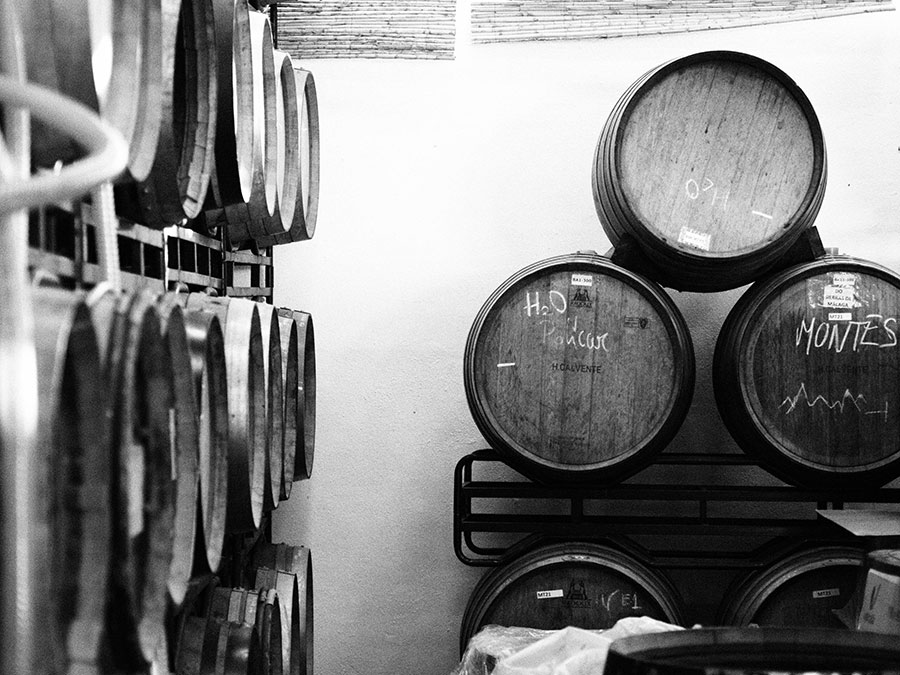
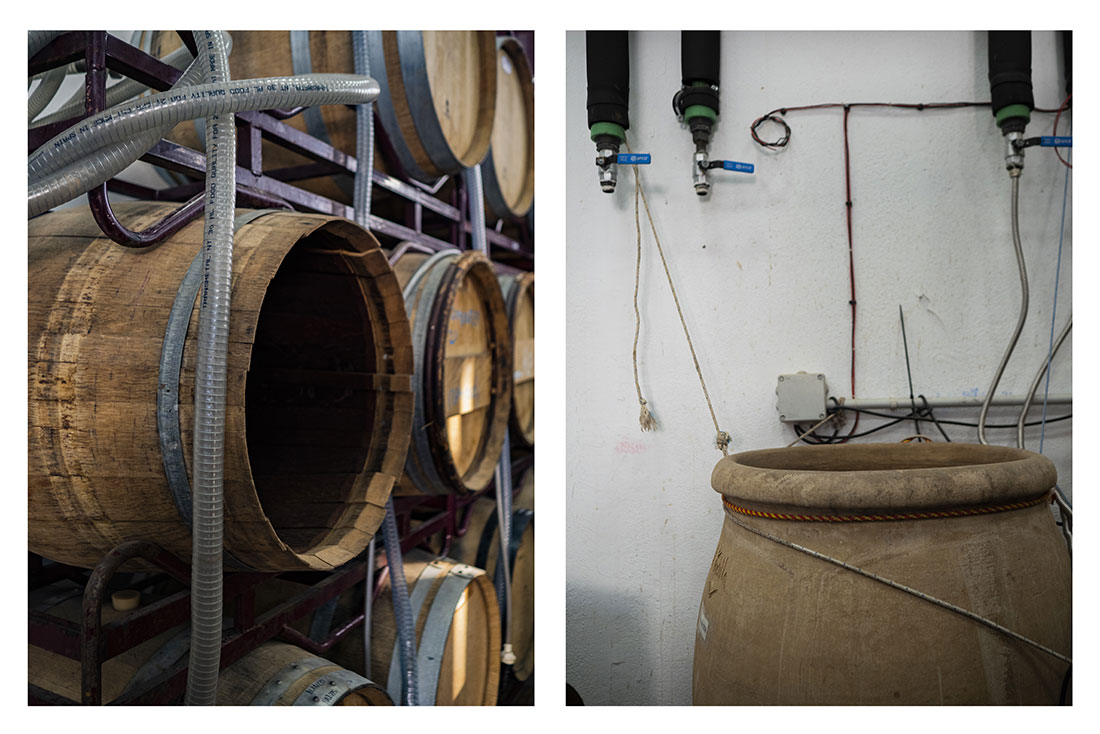
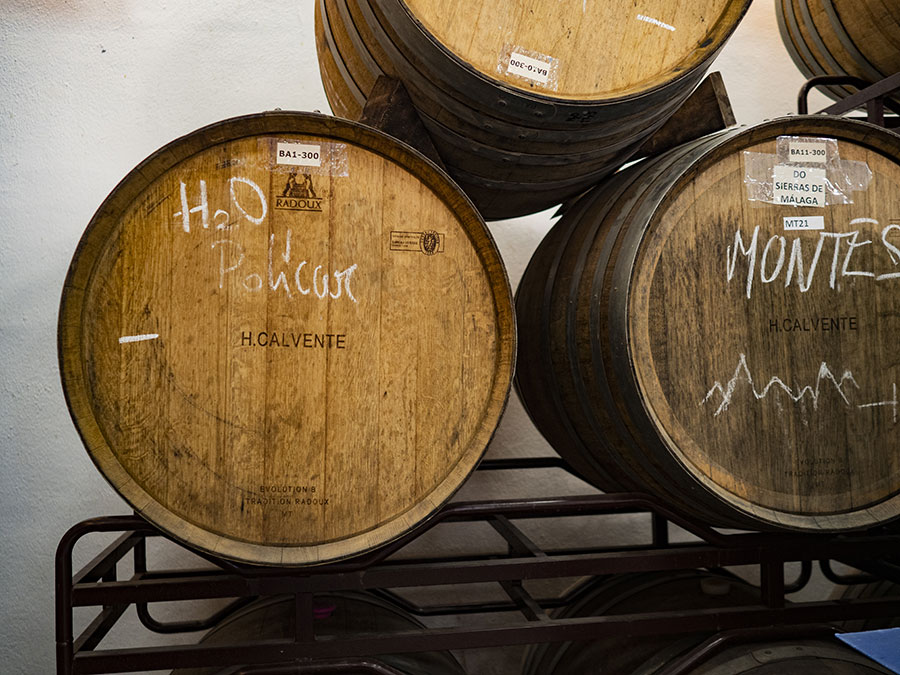
Ahora lo que se hace principalmente es el trasiego. Que pase la primera parte del verano, es bueno para el vino, las fermentaciones ya han terminado y el vino está propio para ser trasegado, que es mover el vino de un recipiente a otro para quitar la madre o los sedimentos que han decantado. Esta es otra de las prácticas que se decían antiguamente.
¿Qué uvas trabajáis? hablo en plural, porque no sé si sois un equipo, eres tú solo…
Hombre, a mi me rodea mucha gente: agricultores, proveedores, gestoria… ahora mismo estoy solo, pero no estoy solo…
Con las uvas, me he enfocado en las autóctonas, buscando uvas locales, como pueden ser “Rome”, “Montúa”, la que le dicen “Calona”, “Uva de Rey”, “Pedro Xímenez”, “Moscatel”…
¿Y son uvas que se usaban ?
Las mayoritarias siempre han sido la Pedro Ximénez en Los Montes de Málaga y la Moscatel en la Axarquía, las otras se usaban para comer o para darle color al vino como la “Rome”, que son más difícil de encontrar y se encuentran algunas cepas sueltas en los viñedos tradicionales
¿Cuáles son los suelos que predominan en tus viñedos?
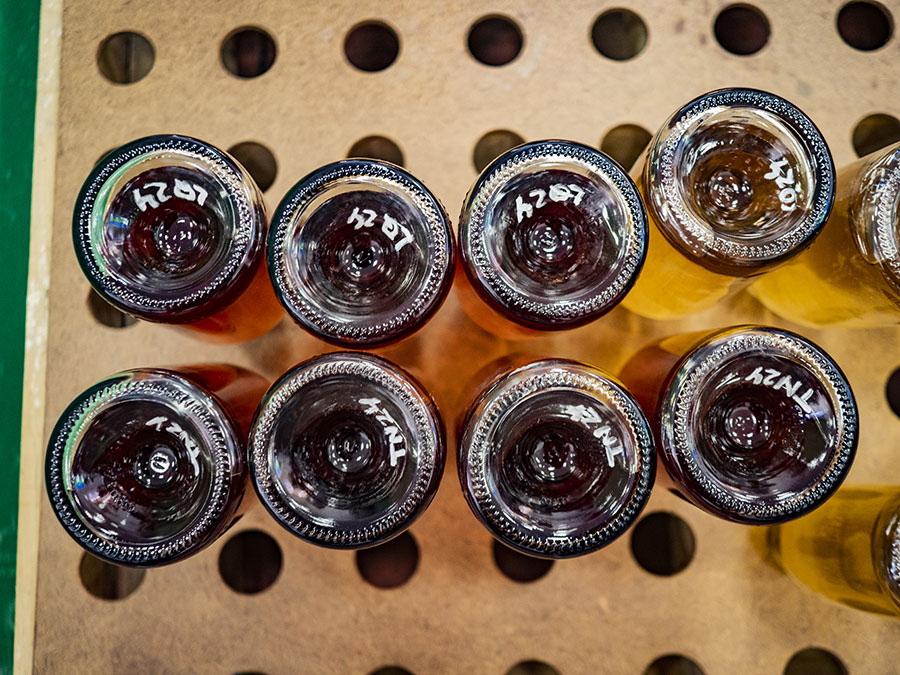
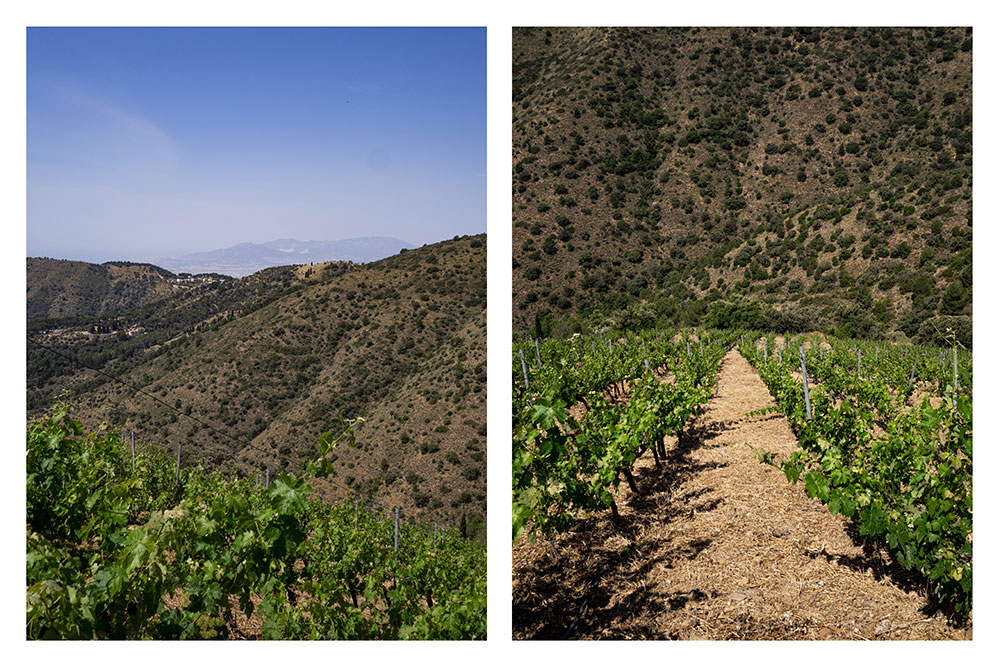
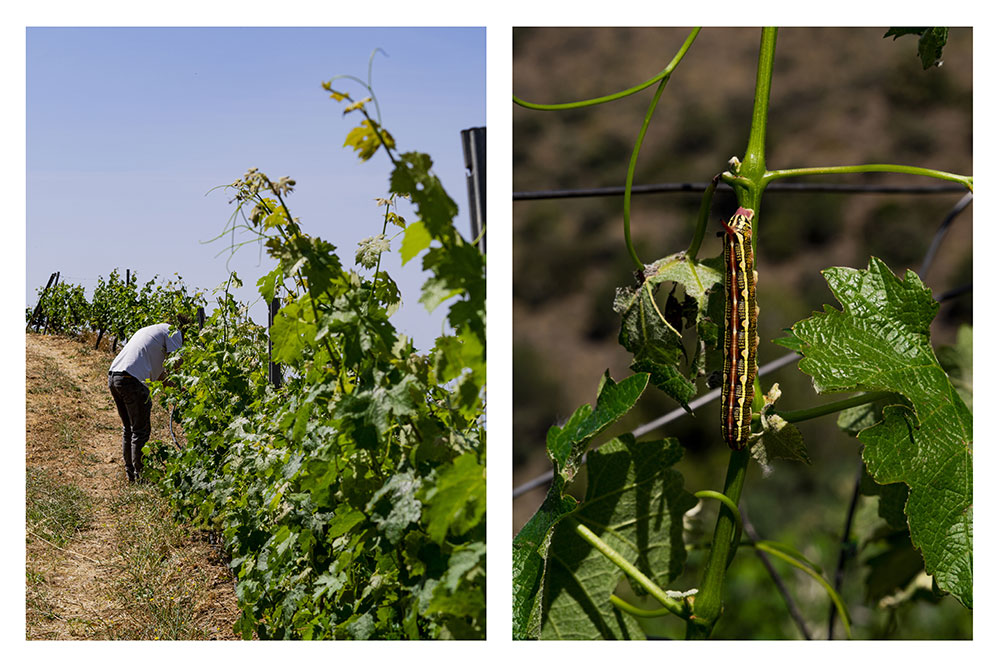
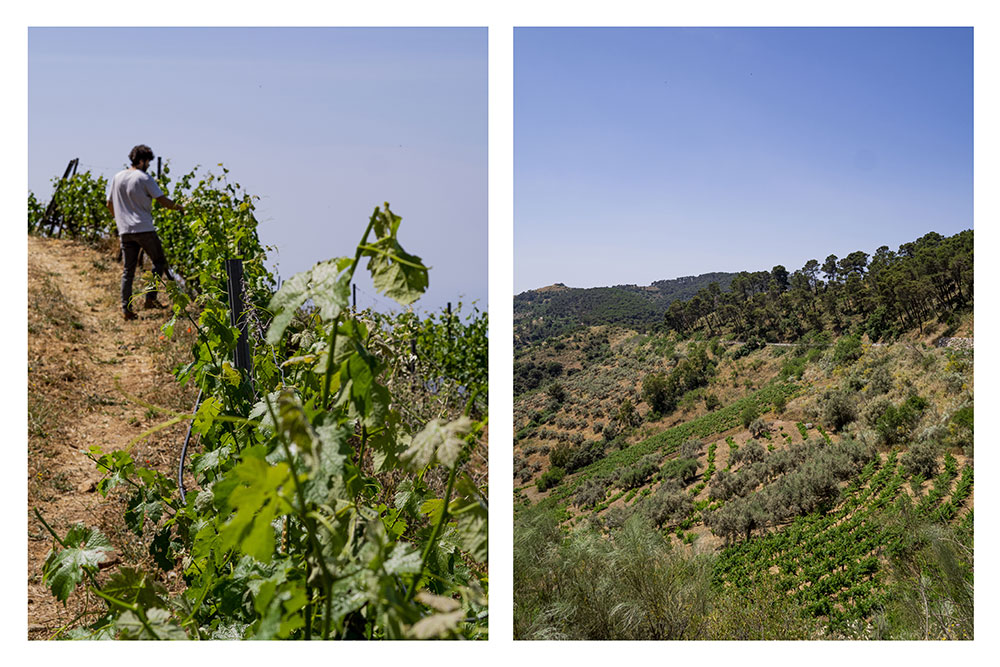
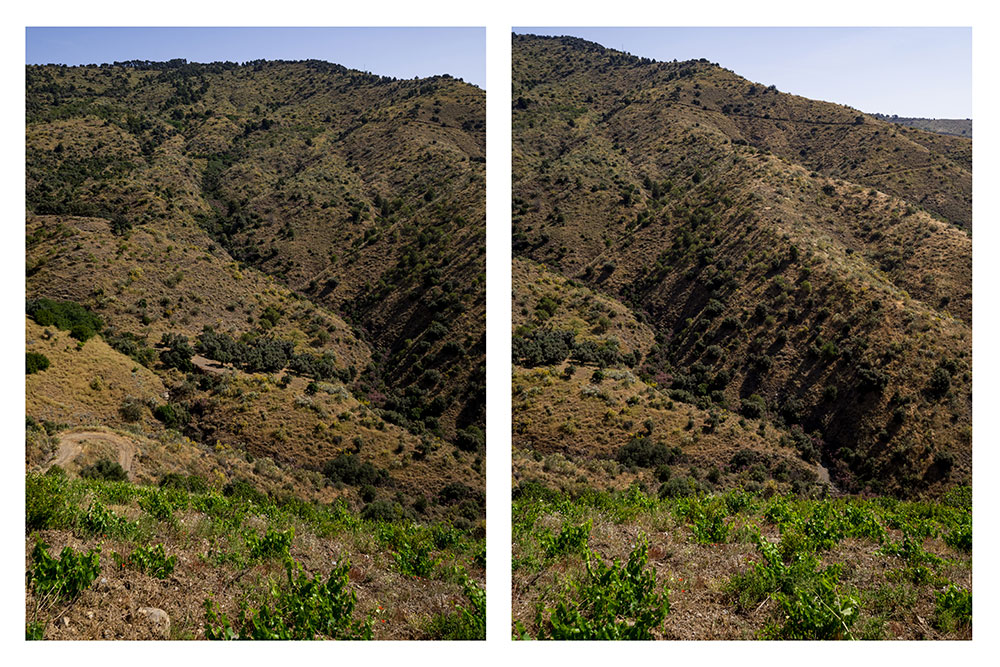
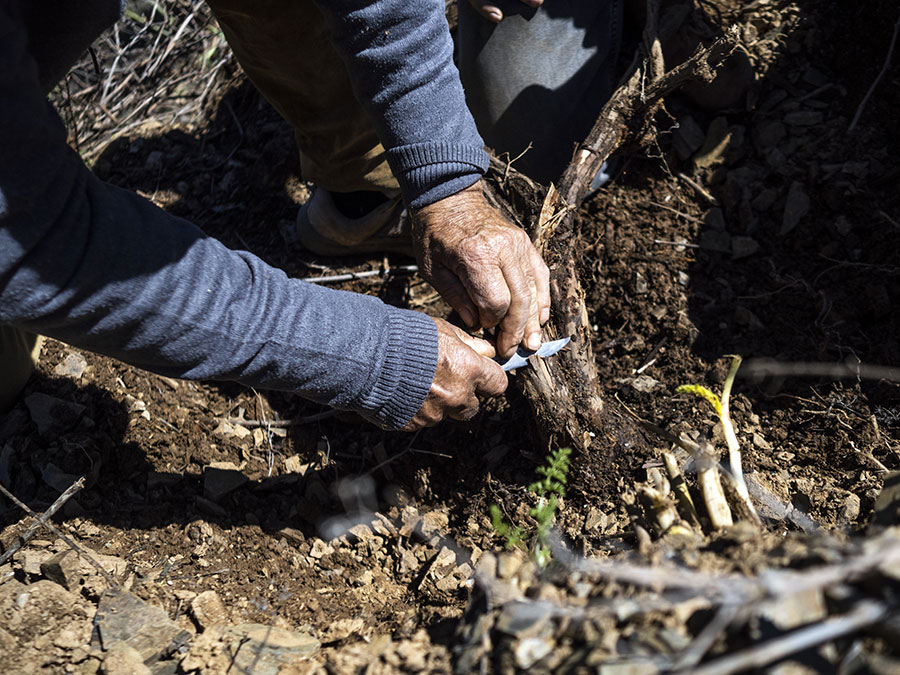
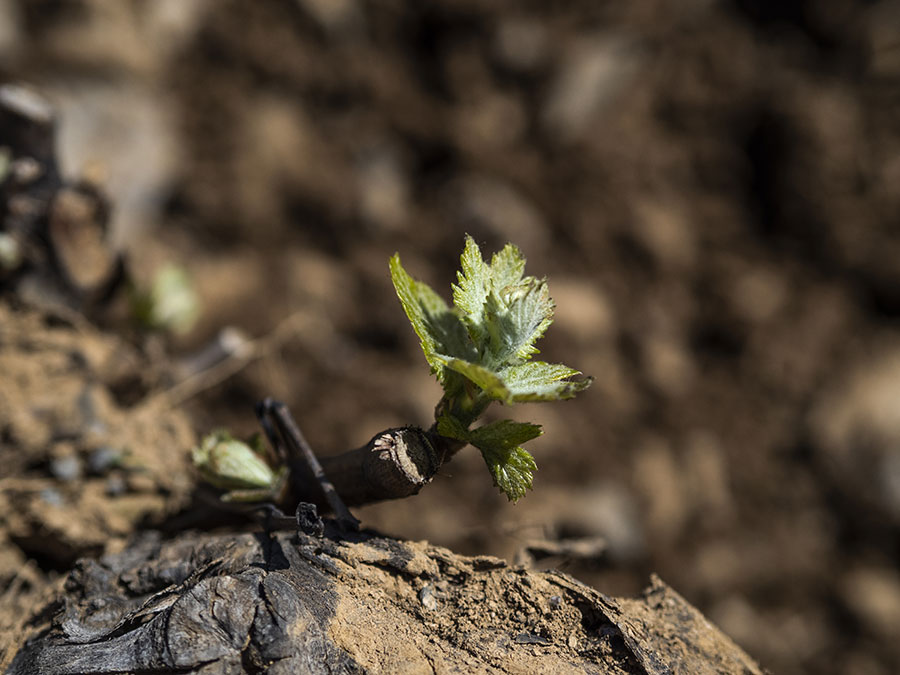
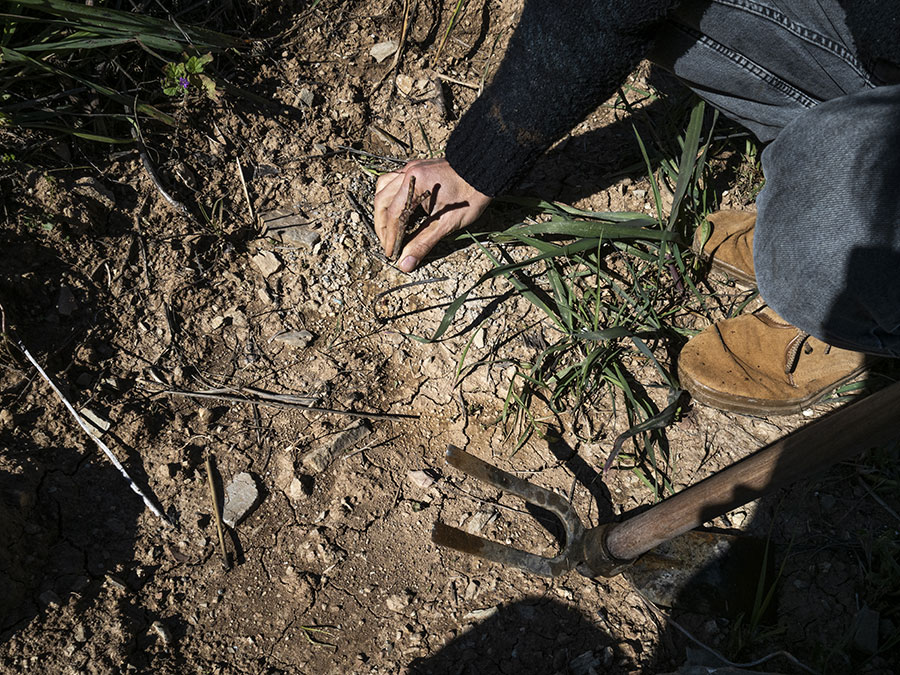
Pues aquí en Los Montes de Málaga son suelos pizarrosos, que pienso que son suelos muy buenos para la viña. Esta tierra le permite a la planta enraizar muy profundo y no se cuartea en verano, cosa que le ayuda mucho a pasar la grandes sequias que tenemos, la fruta es muy concentrada, llena de sabor y aromas.
Se reconoce tu estilo…
Si, eso me han dicho.
¿Qué es más importante en el resultado del vino el campo o la bodega?
Todo es importante, pero el campo es el que manda y las condiciones climáticas mucho y en el vino natural más aún, porque no se usan correctores. Por ejemplo si en una bodega convencional, no tienes acidez, la añades y así, aquí no.
¿Qué son los ancestrales? nos encanta la palabra…
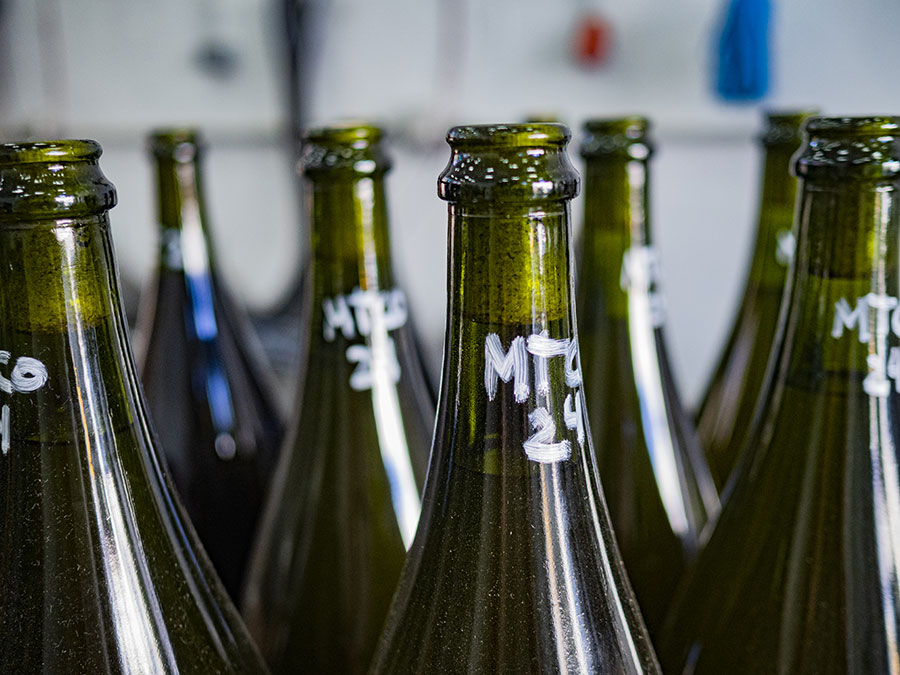
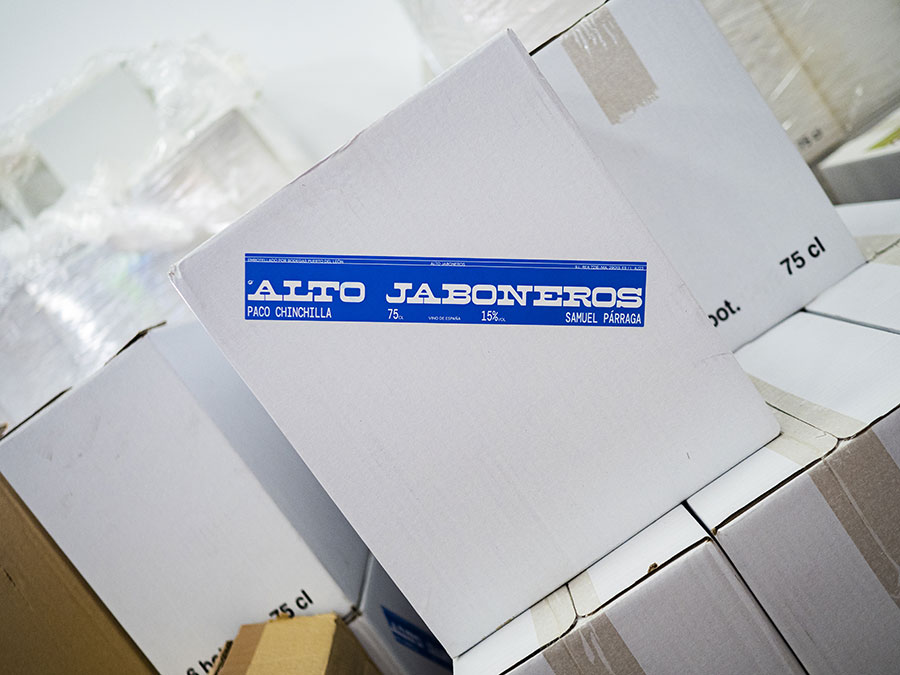
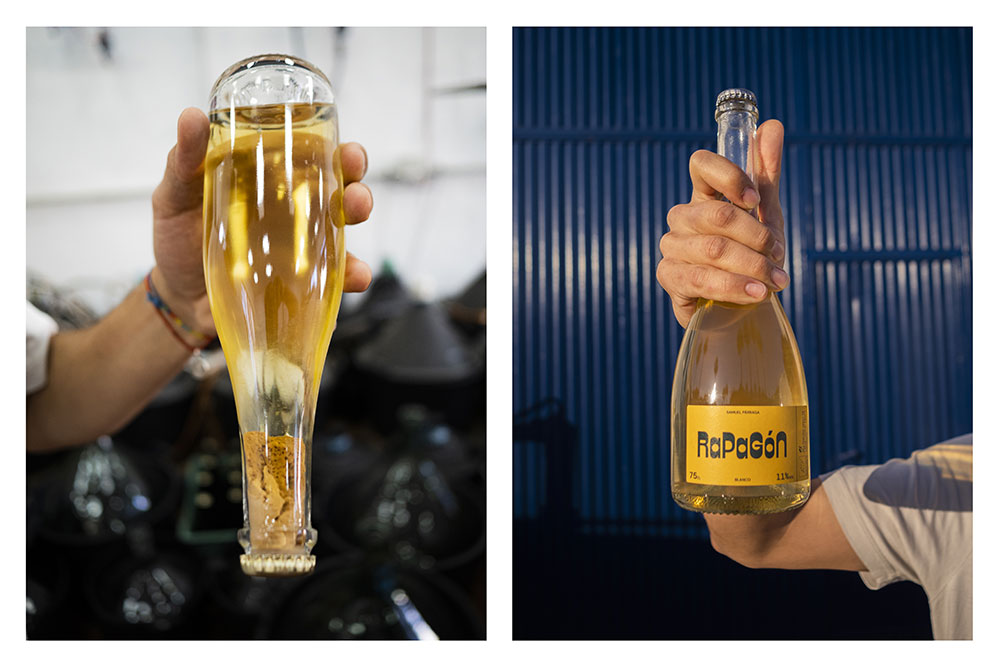
Es un vino espumoso, un método de elaboración de espumoso. Se trata de embotellar el vino cuando la fermentación no ha terminado por completo, termina la fermentación en la botella y así la burbuja la hace con los azucares naturales de la uva.
¿Cómo lo haces para distribuir tus vinos, tienes distribuidores?
Si, tengo distribuidores por diferentes provincias, e importadores para fuera de España
¿En Málaga dónde podemos encontrar tus vinos?
En los restaurantes que miman su producto y que son amantes de los vinos, como La Casa del Perro, Juana Paloma, Hermanos Alba, Kaleja y muchos más, pero la mayoría de mi producción se va fuera, a Estados Unidos y Reino Unido.
¿Te gustaría que eso cambiara?
Hombre, me encantaría que la mayor parte de mi producción se quedara en Málaga. Una de mis motivaciones es poder producir vinos a precios más económicos para poder llegar a todo el mundo.
¿Vosotros hacéis eventos, catas…?
Alguna vez he hecho catas, pero depende, si es más informal, me gustan, de un estilo más dinámico, sin formalismos. También voy a los eventos o ferias de vinos que organizan los importadores.
¿Y qué opinas de que el vino esté tan ligado a la alta sociedad, a la gente con más poder adquisitivo?
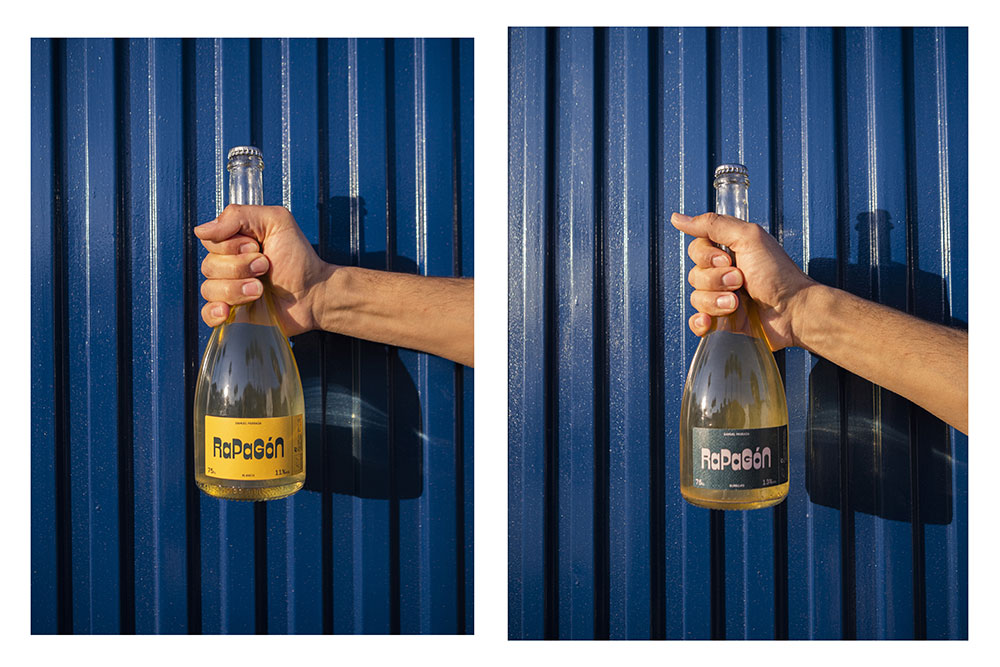
Creo que hay de todo, lo que pasa con el vino natural es que es un producto que no encaja en todos los sitios, por los precios que generan los costes de producción tan altos. Me gustaría vender vinos más económicos, y con “Rapagón” esa es la idea. Son viñedos en llano, se puede mecanizar casi todo, con tractor, a ver, la poda no, que son muchos jornales, y otras tareas que se sigue haciendo a mano, pero es un avance, poder hacer un producto más económico y que llegue a más sitios.
Claro, que tengas una variedad de producto y que llegue a muchos públicos ¿y en qué otros proyectos estás ahora? ¿Algún vino nuevo que tengas en mente?
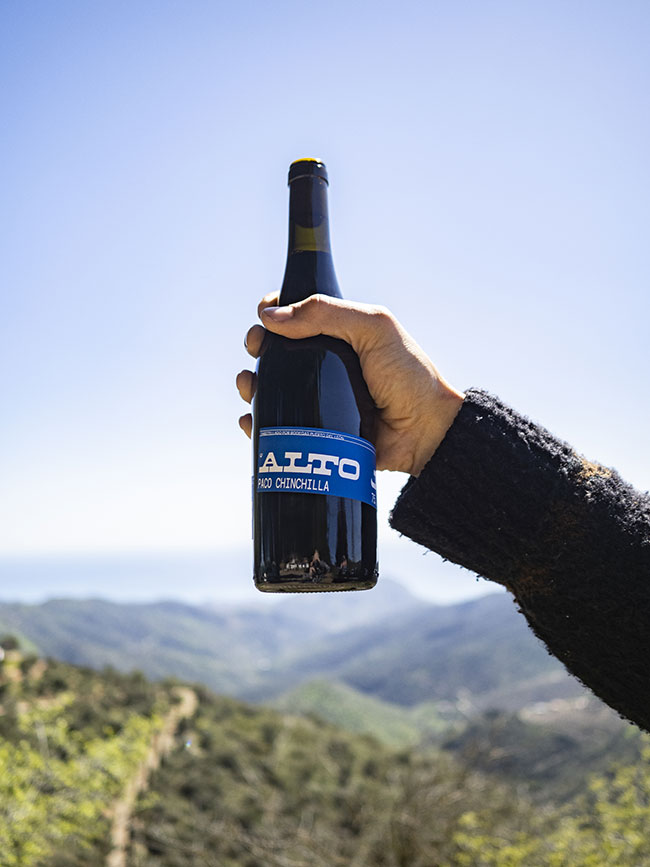
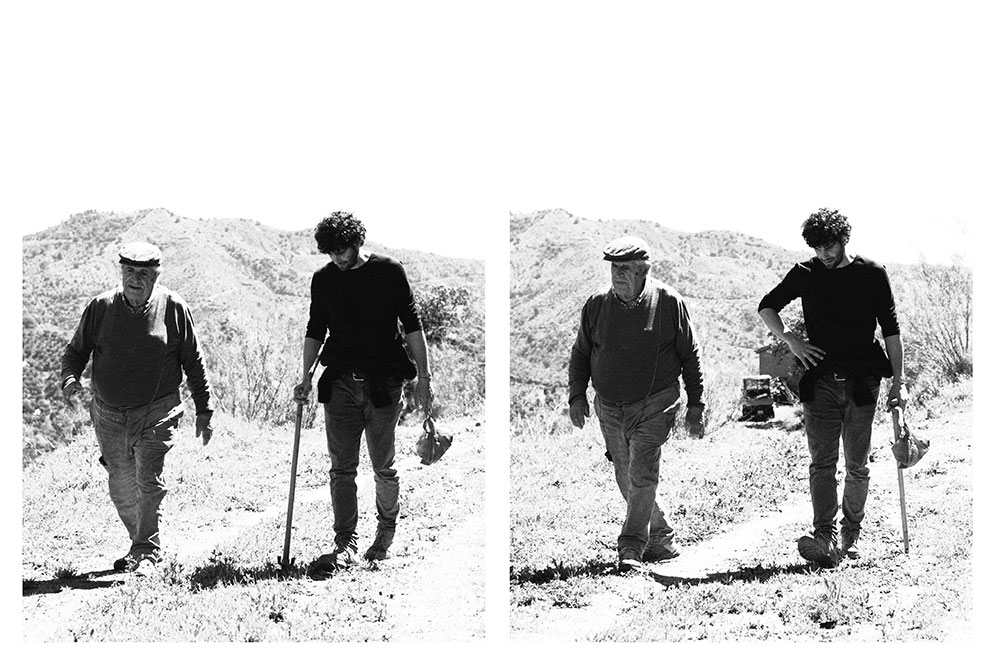
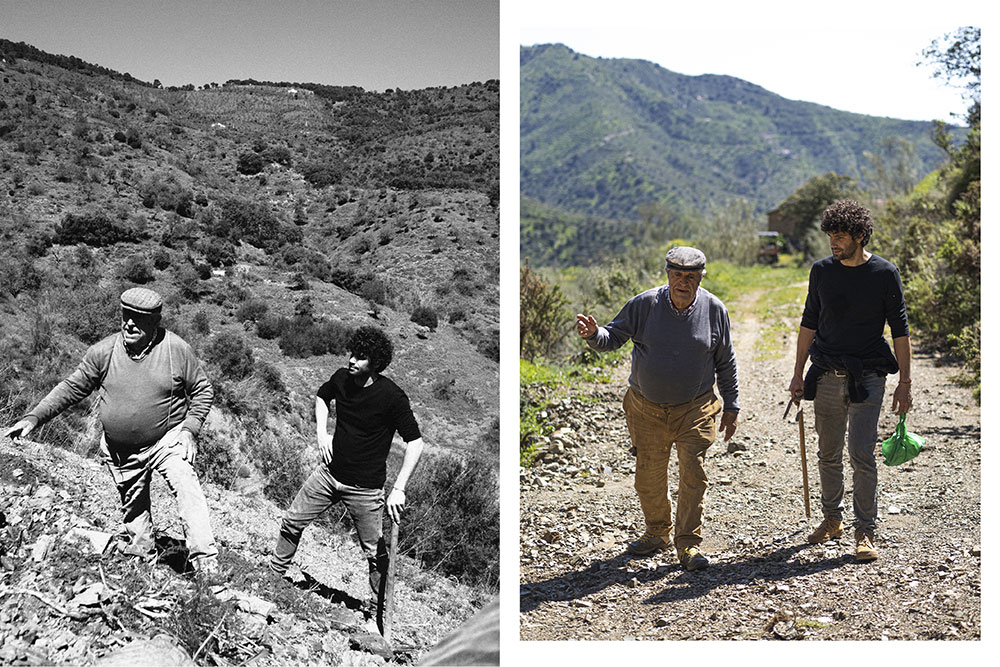
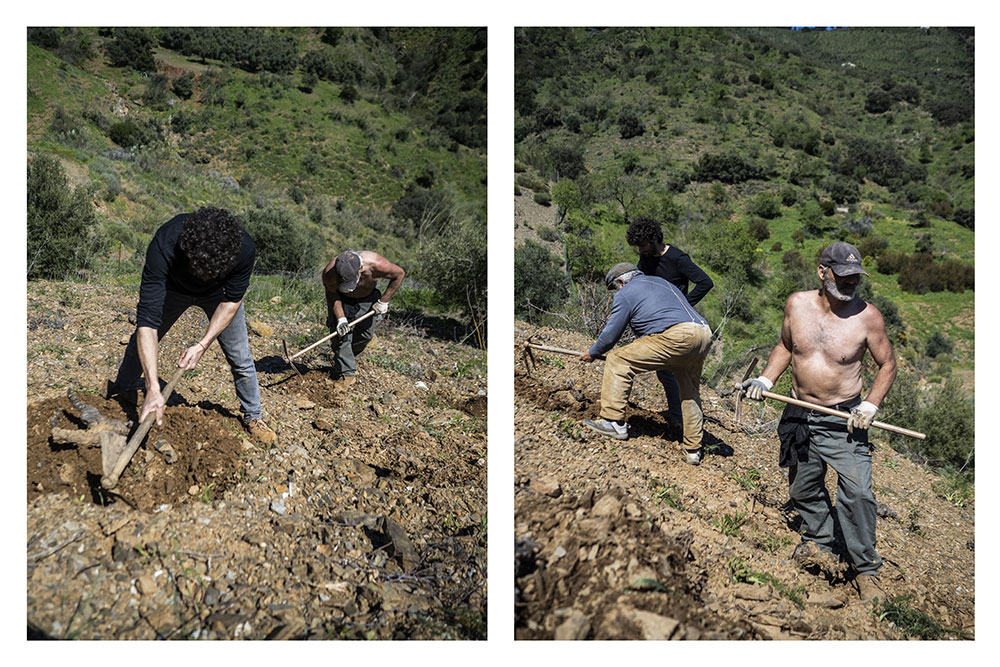
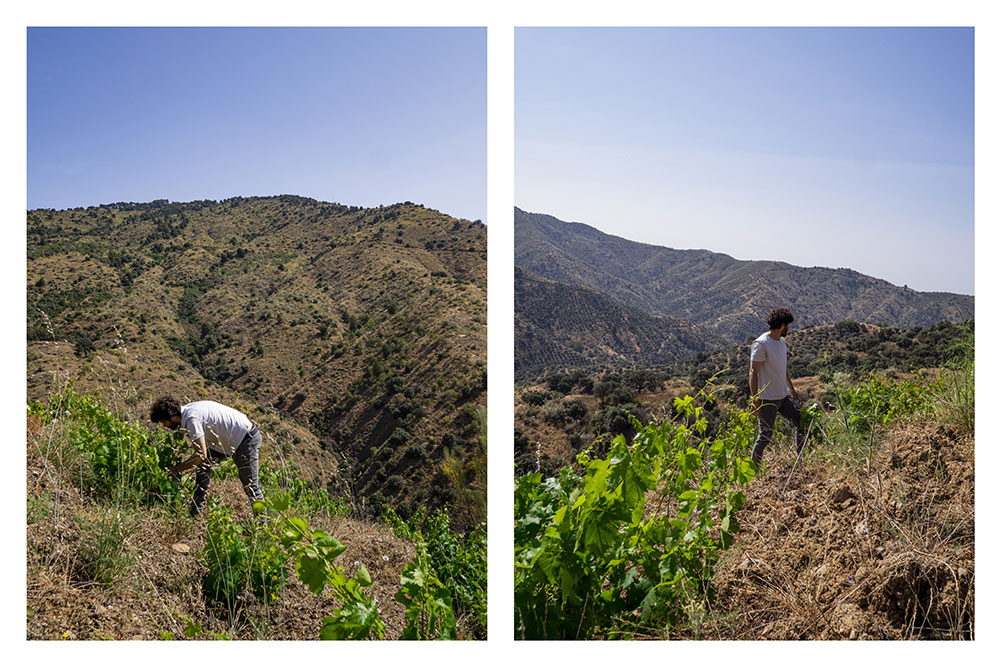
Yo estoy ahora metido en los Montes de Málaga y ahí creo que voy a hacer unos blancos muy buenos. Ya tengo viñas ahí, desde el 2022 tengo mis viñas ahí, dos de ellas con mi buen amigo Paco Chinchilla.
Él tiene 80 años y lleva toda la vida en los Montes de Málaga haciendo vinos, me está enseñando mucho sobre los Montes, los trabajos en las viñas, la elaboración de los vinos tradicionales de los Montes. Estar haciendo cosas con él es muy enriquecedor para mí.
¿Eres el único en Málaga que hace vino natural?
Yo creo que con las ideas claras, si. En Ronda hay algo, se están haciendo algunas producciones sin sulfitos, vinos biodinámicos y es bastante más natural que otros vinos, pero no es el mismo concepto del vino natural que yo tengo, que es no añadir nada y no filtrar.
Entonces ¿puedes decir que eres pionero en esto en Málaga?
Pionero no, porque es como se hacía el vino del terreno antes, pero como bodega y con las ideas muy claras si, de hacerlo “0,0” como se dice, sí.
¿Qué te mueve a hacer vino natural?
Para mi hay muchos motivos por los cuales hago vino natural, uno de ellos y de los más importantes es que el vino es más rico, se expresa mucho más en aromas, en sabor, en autenticidad, la vibración que te da es mucho más bonita, también como lo asimila tu cuerpo.
Otro motivo es que es más difícil hacerlo y eso me da cierto grado de motivación.
Porque si tú coges cualquier uva de cualquier calidad y la corriges, puedes llegar a hacer un vino que huela bien y sepa bien, pero para hacer un vino natural bueno sin echar nada, la uva tiene que venir muy perfecta y luego tu trabajo en bodega también tiene que ser muy fino.
English:
Samuel Parraga
Rooted in Truth: Ancient Soils and Honest Wines.
Samuel Párraga, winemaker and oenologist from Colmenar (Málaga), is gaining serious recognition both in Spain and abroad. He has devoted his life to tracking down forgotten vineyards and rescuing grape varieties that time nearly erased. His philosophy is rooted in curiosity and deep respect for the land, crafting wines in an artisanal, natural, and authentic way. His wide range includes ancestral sparkling wines, whites, orange wines, reds, and sweet wines.
Samuel welcomes us with a smile and a desire to chat at his current winery in Coín. It’s here—without hesitation—that he tells us he’d like to spend more time in the vineyard, because that’s what he loves most about making wine.
On his workbench are various soil samples, and as we talk, he fondly recalls his student days. One subject he loved was edaphology, the science of soil: its composition, structure, and the dynamic relationship it has with life—especially plants. A way of understanding the Earth from deep within.
The conversation flows easily. Samuel opens a red, we taste it, and raise a toast. We comment on its aroma. “Smells like sour cherries,” he says with a grin.
Let’s start at the beginning—where did this project come from? Is it a family tradition, or is it something that began with you?
Yes, it’s from my family—mainly from my father’s side, though my mother’s side also made wine. But it was really my father’s side, from Colmenar, that left the biggest mark. My grandfather was from Colmenar, and my grandmother from Puerto del Barco—technically Villanueva de Cauche, a small village near Antequera. But it’s close to Colmenar. So it’s my father and his father who passed down the tradition of making wine in the Montes de Málaga.
And was the wine made for a living, or more as a hobby?
In my family, it was just one more household activity—another way to make the most of what the land gave you. You grew wheat to make flour, olives for oil, and wine was just one more product. They sold it among family and friends, or bartered. There wasn’t a big winery—just humble farming families making the most of the land to get by.
How did you decide to carry on and improve that legacy?
I’ve been into it since I was a kid. I helped out with harvests, stomped grapes in the lagar (old stone press). My grandfather would take me to the vineyard—at first, half against my will because I wanted to play. But he’d bring me out to the fields, and over time I started to enjoy it. Now I love it. I started taking more initiative early on. By 14, I was already making wine—my dad gave me instructions, since he had other jobs, and I stayed behind in our little family winery doing what I could.
So wine-making runs in the family—but the way you focus on natural wine, was that always part of how your family did it?
Yes, the natural approach definitely comes from my family. What they made was natural—what they called vino del terreno (local wine), with nothing added. You just stomped the grapes—whether Moscatel or Pedro Ximénez—and that was it. There were even lots of superstitions and old beliefs—like you couldn’t look at the wine, or that it needed to rest 40 days. Women weren’t allowed in the winery, and so on.
Did your family follow those superstitions, or were they just local folklore?
It was more folklore than strict rules. But the 40-day rest period—that one was respected more. During that time, you couldn’t rack the wine either.
Do any of those traditions still influence how you work today?
I actually like the 40-day idea. And I think some of those old practices might have had a point, even if people didn’t fully understand the science.
Would you say your current approach, the one that defines your wines today, is an evolution of your family’s tradition?
Yes, but I’ve refined the vino del terreno concept a bit—even if it’s still natural.
You’ve professionalized it, in a way.
I wouldn’t say I’m highly technical, like an industrial winery—far from it. Everything we do is by hand. But we do it with great sensitivity—paying attention to timing, to what’s happening, to how we press, how we destem, the whole process.
Aside from what you learned at home, how did you train technically?
At first, I followed the family method. Then my dad got excited about the winery, and we took an oenology course. That opened up a whole new world. We went from not touching the wine for 40 days and using esparto grass presses, to learning about different fermentations, maceration for reds, and so on. When we decided to legalize the winery, we hired an oenologist who taught us modern techniques—about sulfites, yeast, acidity, filtering, clarifying… We started making wines like the ones you find in supermarkets—clear, nice-smelling, nice-tasting—but over time, I realized that didn’t satisfy me.
Did you already know about natural wine, or did you just think that’s how wine was made?
For me, that was just how wine was made. It’s what I saw at home, what my father and grandfather taught me. And now, after trying other methods used in commercial wineries, I know this natural way is what fulfills me most. I like the challenge and the risk involved.
So you love wine—but why natural wine specifically?
Yeah, since I started drinking good natural wine, I really enjoy it. One of the main reasons I make it is because conventional wine made me feel terrible. Two or three glasses, and I’d feel awful. The combo of alcohol and sulfites is harsh. Even though sulfite use is dropping, it’s still very common. In Spain, the model is large-scale wineries producing a lot. In France, there are more small wineries, which makes it easier for someone small like me to compete.
There are so many reasons I prefer natural wine. First, the product itself—it’s healthier, better for your body and mind. I remember when I started drinking in bars, I didn’t like wine—it gave me headaches. But with natural wine, it’s totally different. Also, when you make a wine that tastes just like one from the supermarket or a big winery producing millions of bottles, you can’t compete—not on price, not on marketing, not on distribution. It’s almost impossible for a small winery to survive making standardized wine.
This is much more authentic, and there’s a customer who’s willing to pay what it’s worth—because the labor is intense. If I’m destemming by hand and what takes me a day takes a machine 20 minutes, that’s time, and time is money. Plus, when you buy labels, corks, bottles—you can’t compete with economies of scale. A million units cost a lot less per piece than a thousand.
It must be tough competing with wine giants.
Very. And the restaurant industry makes it harder—many buyers are used to paying €3 or less per bottle from big producers, then selling it for €20.
The natural wine movement in Spain is still young, right? Ten years, maybe?
The oldest producer is Barranco Oscuro in Granada, and then Carles Alonso in Girona—he’s a pioneer in ancestral sparkling wines. So yeah, it’s new, but maybe 30 years old.
It’s a bit like music: a band that plays local bars won’t play the Bernabéu. It’s still pop, but in a different world. Is it similar with wine? You’re not competing with La Rioja.
Exactly. Some restaurateurs open places to make money and want cheap wine. Others are genuinely passionate about the product and are after something different—like in music. For example, La Casa del Perro is probably the only restaurant in Spain that serves only natural wines. It’s a gem, and their selection is really thoughtful—made with care and love.
But ultimately, I just want to make a living, you know? Money’s the tool. This kind of business makes you a one-man band—I’d love to hire someone for admin and spend more time in the vineyard, but for now…
You mentioned your labels earlier. We love the designs by Tiquismiquis—how did that collaboration happen?
Yes, their work is brilliant. It was a great decision. I met them through Mónica, a good friend who’s supported me a lot in this project.
And now that it’s spring—what’s happening in the vineyard?
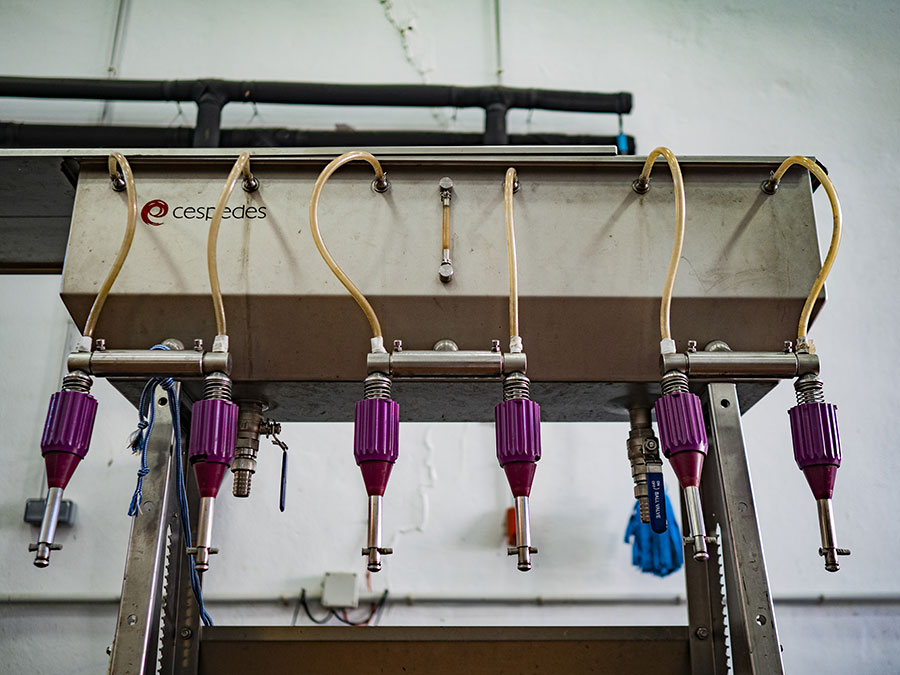
This is bottling season. It’s good to get past the early summer with the wine in bottle. We also rack the wine—moving it from one container to another, like from a barrel to a tank—to help clarify it as sediment settles.
Which grapes do you work with? I say “you” plural, but is it just you or a team?
It’s just me right now, but I’m not truly alone—I have support from growers, suppliers, accountants… As for grapes, I focus on local varieties, especially rare ones—Rome, Montúa, what some call Calona or Uva Rey.
Are these old, nearly lost varieties you’re bringing back, or are you trying new ones too?
Mostly I’m hunting down what’s left—tiny plots preserved by small farmers who never pulled them out. But Málaga’s main varieties are still Moscatel and Pedro Ximénez.
What kind of soils dominate your vineyards?
In Málaga, slate is dominant. In Mollina, it’s more calcareous. My first wines were in 2018. Then in 2020 and 2021, I got really curious—I explored lots of soils, orientations, and grape types, though always focusing on native varieties. Some plots were one-time experiments. But that adds value—unique vintages. Now I’m focusing on Montes de Málaga.
Does soil really change the wine?
Not completely, but yeah—it makes a difference. Still, people who’ve followed my wines since the start say they can sense a common thread.
So you’ve developed a recognizable style…
That’s what they say, yes.
What matters more to the final wine—the vineyard or the winery?
Everything’s important, but the vineyard is the boss. Climate conditions too, and with natural wine, even more so—since we don’t use additives to correct anything. In a conventional winery, if acidity’s low, you add some. Here, you don’t.
What are “ancestral” wines? We love the term…
It’s a method for making sparkling wine—with less tech than the Champenoise method (used for Champagne or Cava). You make a wine, bottle it with sugars and yeast, and it ferments naturally in the bottle.
How do you distribute your wine? Do you have distributors?
I do, but I often go myself. And it works well—when I visit and do a tasting, they usually add my wines to the menu. That makes me really happy.
Where in Málaga can we find your wines?
La Casa del Perro, Vinalium… but honestly, most of it goes abroad—to the US and UK. They’re my main buyers.
Would you like that to change?
Absolutely. I’d love to sell more here in Málaga. I’d love to produce wine at lower prices so it could reach smaller bars and more people.
Do you host events or tastings?
Sometimes, yes—especially if they’re relaxed. We did one at La Casa del Perro that was super chill, very dynamic, no formalities. We’ve got another one coming up in June at Bar Vertical.
How do you feel about wine being so linked to high-end society and luxury?
A friend of mine says wine has a certain “prestige”—it carries a certain image. But it’s not always like that. The thing is, wine doesn’t fit everywhere because production costs drive up the price. I’d love to make more affordable wine. That’s the goal with Rapagón—it’s a vineyard on flat land, mostly mechanizable. Pruning still takes a lot of manual labor, but we can use tractors for most other tasks. It’s a step toward making something more accessible.
So the idea is to offer a range of wines for different people. Are you working on anything new right now?
Right now, I’m focused on Montes de Málaga. I think I’m going to make some excellent whites there. Since 2022, I’ve had vineyards in that area. The altitude, proximity to the sea, and freshness give the grapes great aromatics.
Are you the only natural winemaker in Málaga?
I think I’m the only one with a really clear philosophy. There’s some natural or biodynamic production in Ronda—some wines without sulfites—but not with the same “natural wine” concept I follow, where I add nothing and don’t filter.
So would you say you’re a pioneer in Málaga?
Not a pioneer, because this is how people used to make vino del terreno. But as a formal winery, with a clear philosophy of “zero-zero-zero” winemaking—yes, maybe I am.
What drives you to make natural wine?
There are a lot of reasons, but one of the biggest is that natural wine simply tastes better. The aromas, the flavors, the way your body handles it. Another reason is the difficulty—it motivates me. Because if you take any grape and correct it, you can make something that smells and tastes good. But to make a natural wine without adding anything, the grapes have to be perfect—and your work has to be really precise.