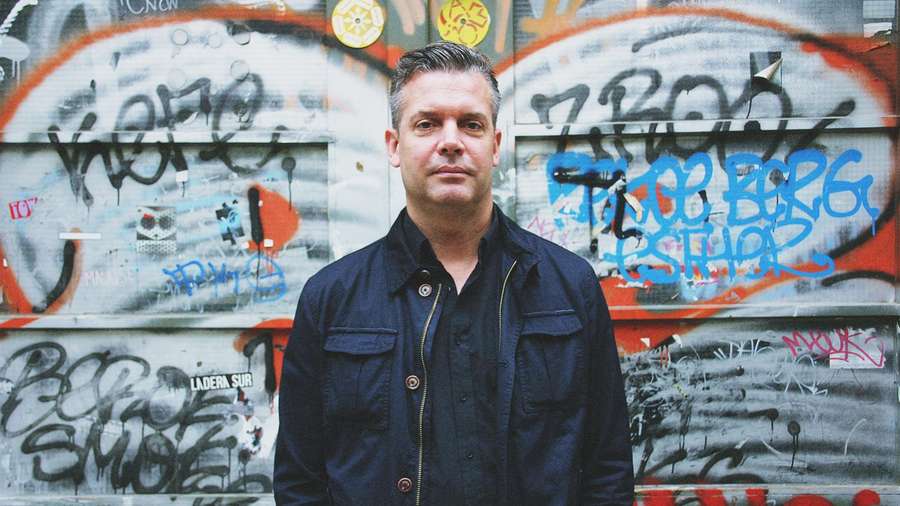
A conversation with John Stanier on New York’s underground, instinct in the studio, and the bands that shaped modern heavy music
John Stanier has always played like someone chasing momentum—precise, physical, and impossible to fake. From the late-’80s Lower East Side, where danger and creativity shared the same sidewalk, to international stages and studios that demanded results fast, his path traces a map of modern heavy music’s many mutations. What begins as a “year off” becomes a lifetime of tours, rehearsals, reinventions, and the kind of deep listening that only comes from being inside multiple scenes at once.
In this interview, Stanier looks back at the New York that shaped him: a city split between hardcore ferocity and art-damaged experimentation, where shows happened every night and influence traveled instantly across genres. He talks about discipline—what formal percussion studies gave him, and how that discipline met the chaos of clubs and cramped rehearsal rooms. He also revisits the pressure-cooker energy of quick recordings, the thrill of spontaneous takes, and the strange freedom of projects that thrive on minimal rehearsal and maximum trust.
Along the way, skateboarding, hip-hop, fanzines, and friendship form a parallel history—small details that explain how a drummer becomes a whole ecosystem.
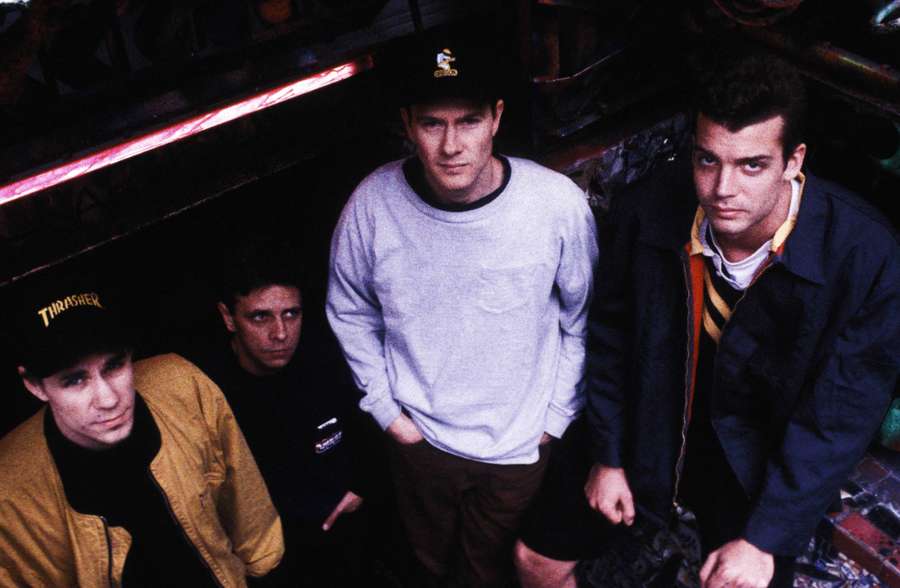
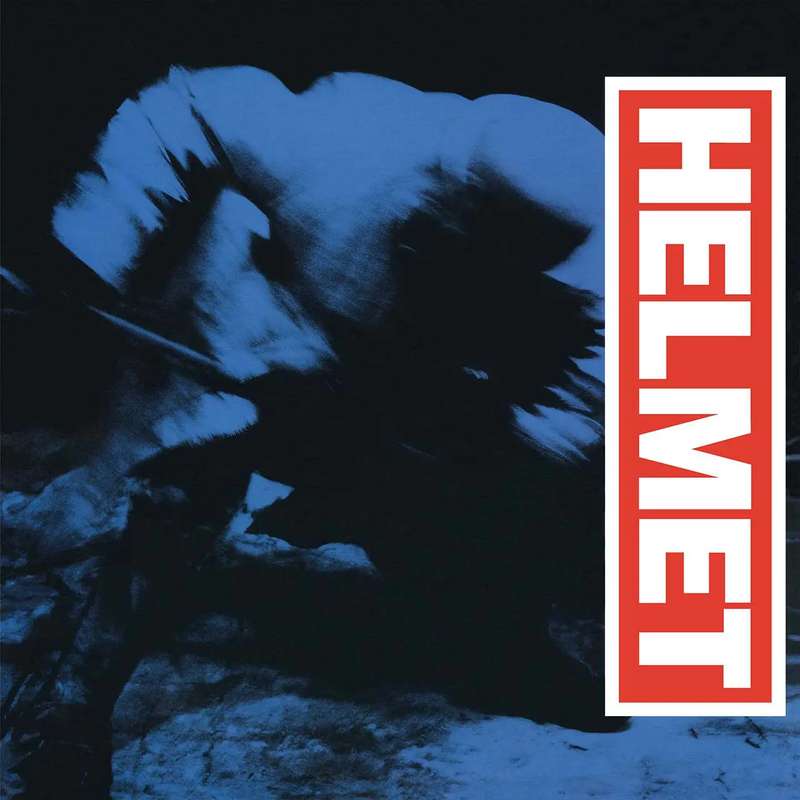
Helmet
In the years before moving to New York, what kinds of bands or projects were you playing in, and what were you looking for when you stepped on stage back then?
I moved to New York when I was 20 years old which was supposed to be a “year off from college” which obviously turned out much differently. I was in a pretty big hardcore band before that and we played a bunch of shows opening for touring national bands but I was looking for something different. I really only played local shows and had never been on tour.
In your case, what came first as a real driving force: music or skateboarding? And nowadays, do you still skate, or has skateboarding become more of a cultural reference than a daily practice?
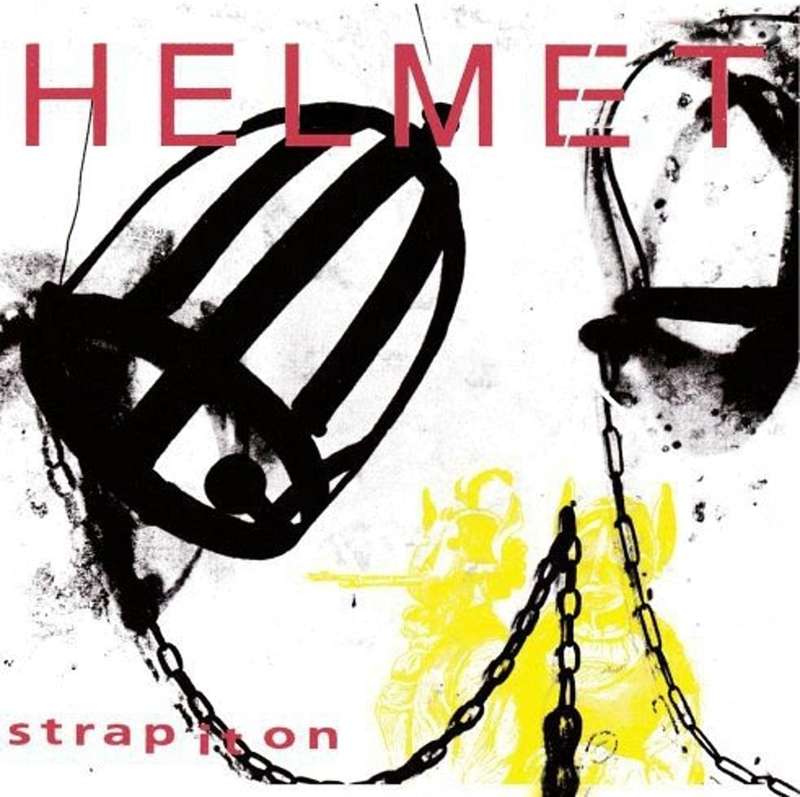
Music definitely came first but I skated pretty hard from 1985-1989, those were my years with skateboarding. When I moved to New York in 1988 I started skating less because my main focus was music. Helmet shared a rehearsal room with Sonic Youth in a building on Mott street in Little Italy where SHUT Skates was as well so I would see those people a lot. Music and the band was of course much more important to me.
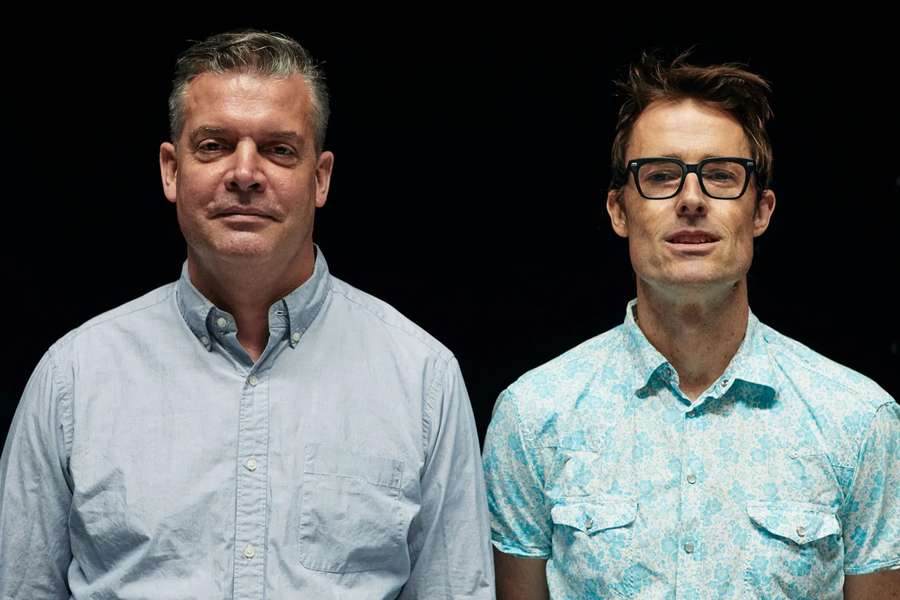
Battles
You grew up between Pittsburgh and Florida, and you also went through more formal percussion studies. What did you take from that more academic background that eventually filtered into the way you played in underground bands?
I was an Orchestral Percussion major in school which was very formal and disciplined with very little room for improvisation. I think maybe some of the musicality of that environment rubbed off on me in ways that I can’t really pin point, but I know that it did. Does studying classical marimba have anything to do with playing drums in Helmet? Probably not……..but maybe it does! 🙂
What truly pushed you to leave your city and take a chance on New York at that specific moment in your life?
I went to University for 2 years and my original plan was to take one year off and go on tour. That’s all I wanted to do was tour the USA and Europe for ONE YEAR exactly and then return to school. I gave myself a time limit with the exception of if something big happened then I will make it TWO years (ha ha).
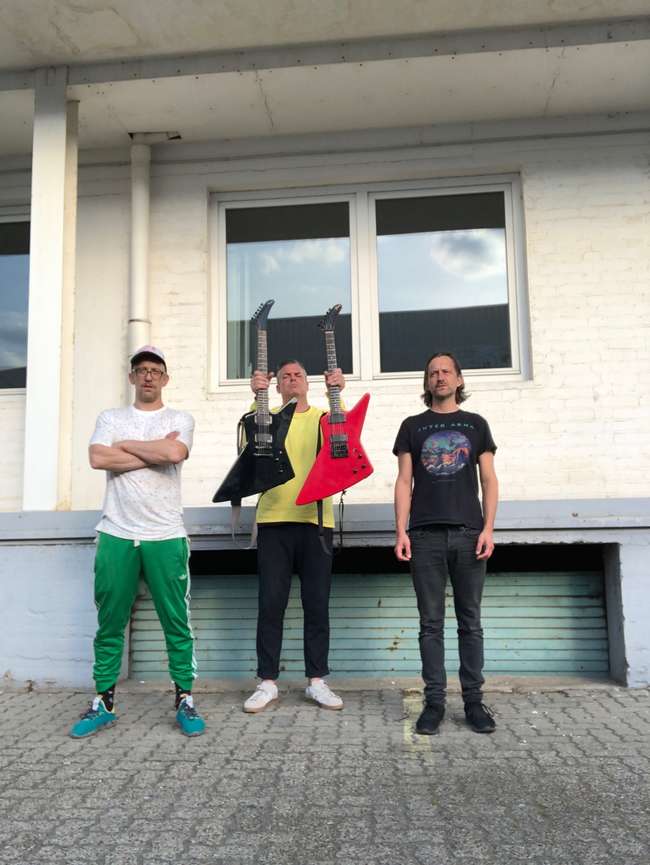
Zon
When you think about alternative New York in the late ’80s and early ’90s, what do you remember about the day-to-day atmosphere, beyond the band names and scenes?
New York was a completely different city in ways that are now hard to describe. Downtown East Village/Lower East Side was dangerous and incredibly fascinating at the same time. There was so much going on it was incredible. To be 20 years old in 1988 downtown New York was the most pivotal time in my life.
That scene included very hard, straight edge hardcore and metal bands—Agnostic Front, Cro-Mags, Carnivore, Sheer Terror—alongside more open or experimental acts like Unsane, Quicksand, or Orange 9mm. What was it like to experience that mix from the inside? How did New York hardcore, metal, noise, and experimentation intersect in practice without feeling forced or theoretical?
There were definitely 2 scenes back then. There was the more arty noise experimental stuff going on (which is where Helmet came from) and then there was NYHC which was going through a weird transitional period between more crossover metalish bands and more traditional HC stuff. There was so much going on and there were different shows 7 nights week. It was amazing to be a part of all that!!
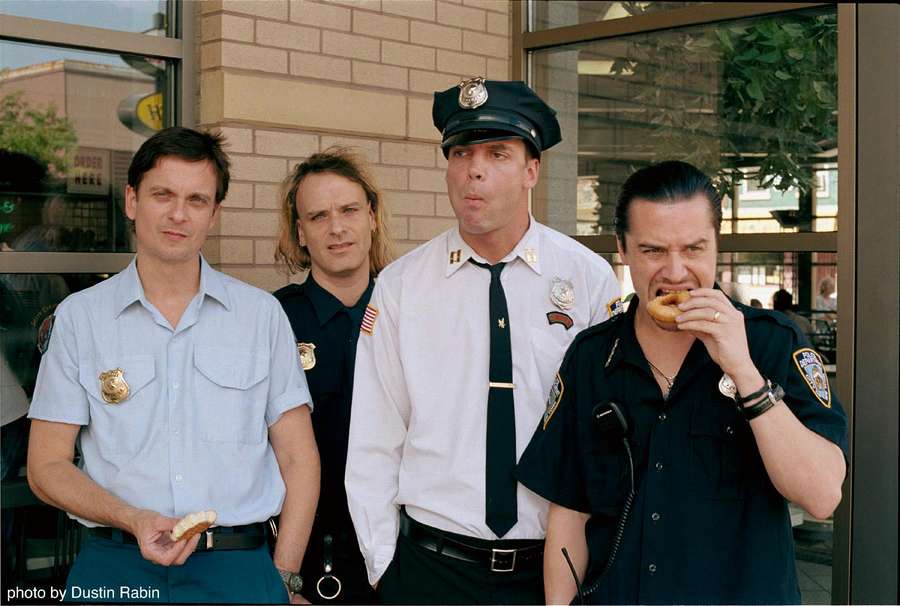
Tomahawk
You’ve mentioned that in your early years in New York, the hip-hop you heard around you had a strong impact on you. Which artists or records were present at the time, and what did you take from that world that didn’t come from rock music?
I moved to New York from the suburbs where I was not exposed to much hip hop. When I arrived I lived exclusively in the Lower East Side and East Village and it was everywhere. Even if you were not a fan of late 80’s hip hop there was no avoiding it.
How do you remember the scene around labels like Amphetamine Reptile? And even if it was a slightly later generation, what was your perception of Wreck-Age Records or the Long Island scene with bands like Stillsuit or Mind Over Matter?
I am very good friends with Chris and Arty who recently brought Wreck-Age back to life. I like SFA,Yuppicide,Madball,Die 116,Bad Trip and Gin Mill (who used to be Crawlpappy who I played drums for).
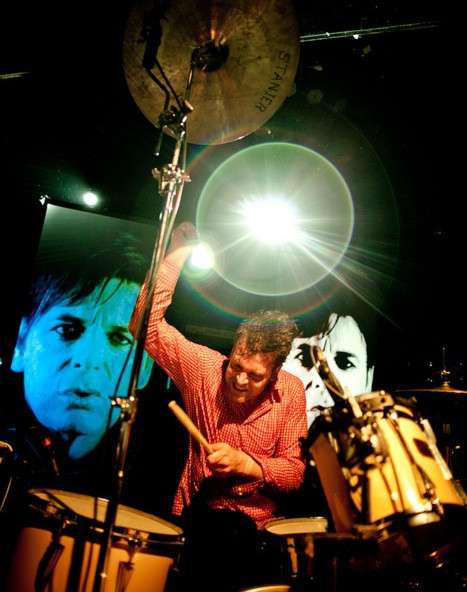
Betty was recorded very quickly and has a very clear live, in-the-room feel. What do you remember about studio decisions that were made back then that would seem unthinkable today?
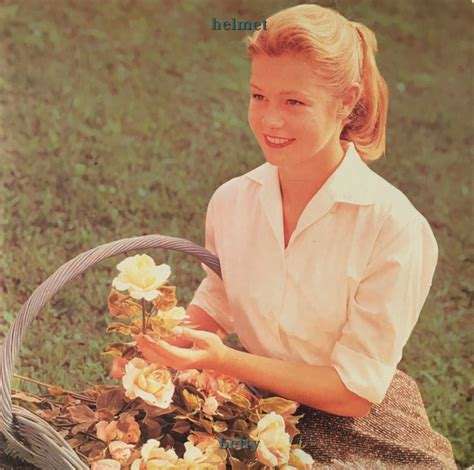
Helmet was firing on all cylinders when we went into the studio for Betty. It was produced by my friend T-Ray (Cypress Hill,Funkdoobiest,Artifacts,Kool G Rap) who we had never worked with before. I think we were the first rock band he had ever recorded
There are specific fills on Betty that many people consider unrepeatable precisely because they sound so spontaneous. How do you remember that balance between impulse and control during those sessions?
Thank you for the kind words! When we recorded Betty we were extremely well rehearsed from touring so much for the Meantime campaign which was pretty much non stop. I was totally in the zone and also I think we didn’t have a ton of time for the basic tracks. There was a lot of pressure to deliver the goods and I definitely had the extreme confidence to step up to the plate!!!
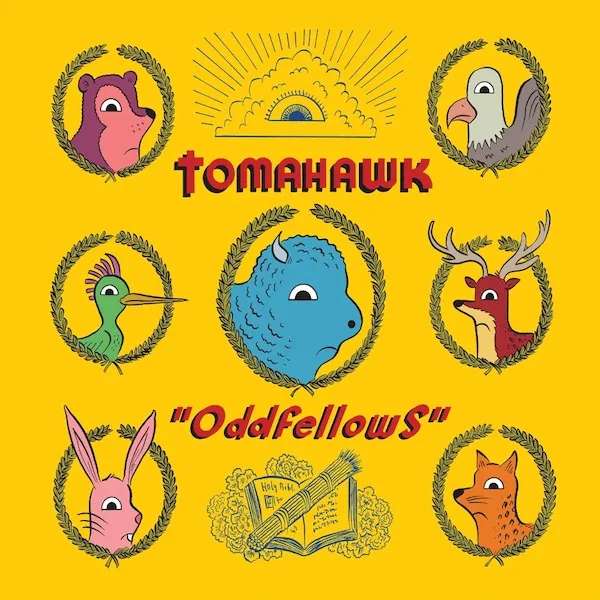
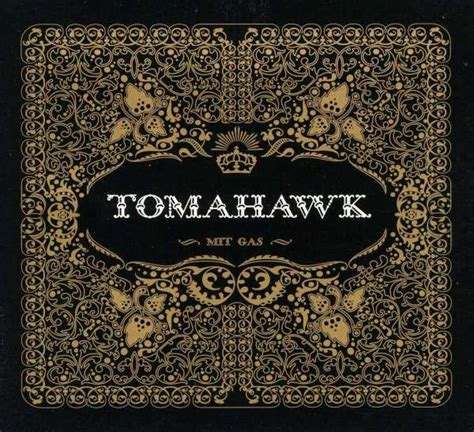
Tomahawk was a very different project, both sonically and in how it functioned. How did the band come together, and what attracted you to that way of working?
I was friends with Duane,Mike, and Kevin because I had toured with Jesus Lizard,Faith No More, and The Cows. Duane has always been like an older brother to me and he asked me if I was interested in playing in his new project. It was such a breath of fresh air coming from the disastrous way that Helmet ended. Tomahawk is an amazing project because we all have other stuff going on but meet up every once in awhile to make a record. They are my family and we are very much still a functioning band.
Tomahawk often worked remotely and with very little rehearsal. What did you enjoy about that method, and what do you feel was lost along the way?
The best thing about Tomahawk is how spontaneous it is. The first 2 records were recorded with hardly any rehearsals. We knew the music and played the stuff only a couple of days before recording. The 3rd album we didn’t rehearse at all. Most tours we would meet for only a couple of days beforehand to run through the set.
Your relationship with Ian Williams goes back to before Battles, even before Don Caballero. What kind of creative connection already existed back then?
I had met Ian a couple times while he was in Don Caballero and then we hung out a little bit when he moved to New York. Years later I ran into him on the street in Brooklyn and he told me about a project he was working on and if I wanted to come by and check it out.
Battles emerged partly as a reaction against more traditional band structures. When you first started, what unspoken rules did you set for yourselves to avoid falling into the predictable?
I think we all really wanted to do something completely different. At first I wasn’t going to use any cymbals. We also had a revolving “girls choir” which was only our first couple of shows. Much more performance art than function, I think we had the choir for the first 3 or 4 shows. We released 2 EPs on a west coast label and an east coast label. We really had no idea what we were doing, which was really the whole point.
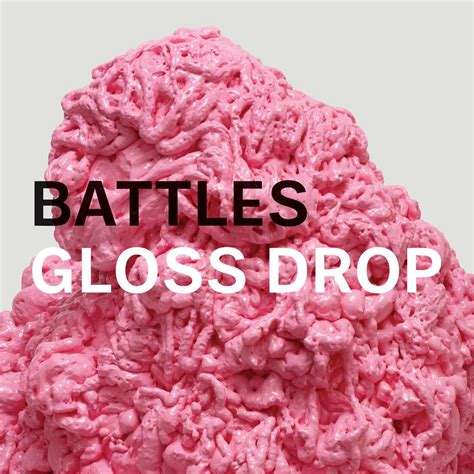
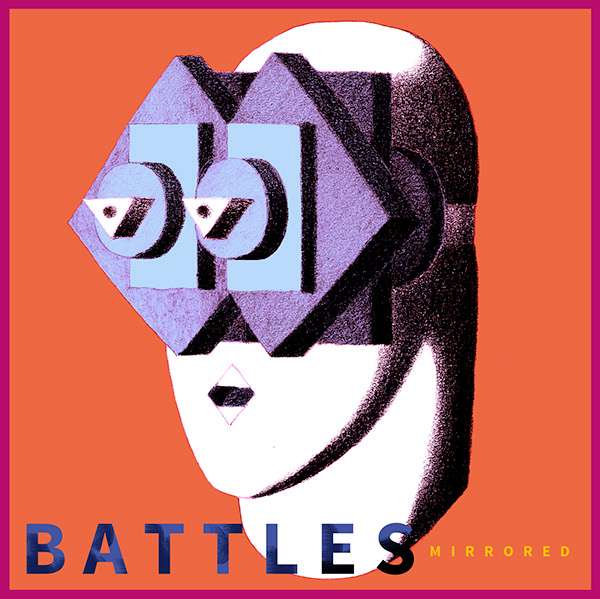
When Warp released Mirrored, you entered a very different circuit from traditional rock. Did you feel out of place, or did it feel like exactly the right place to be?
I definitely feel like when we released Mirrored it was the perfect time at the perfect place on the perfect label. Everything was happening at the same time and there was no stopping us. It was a beautiful time.
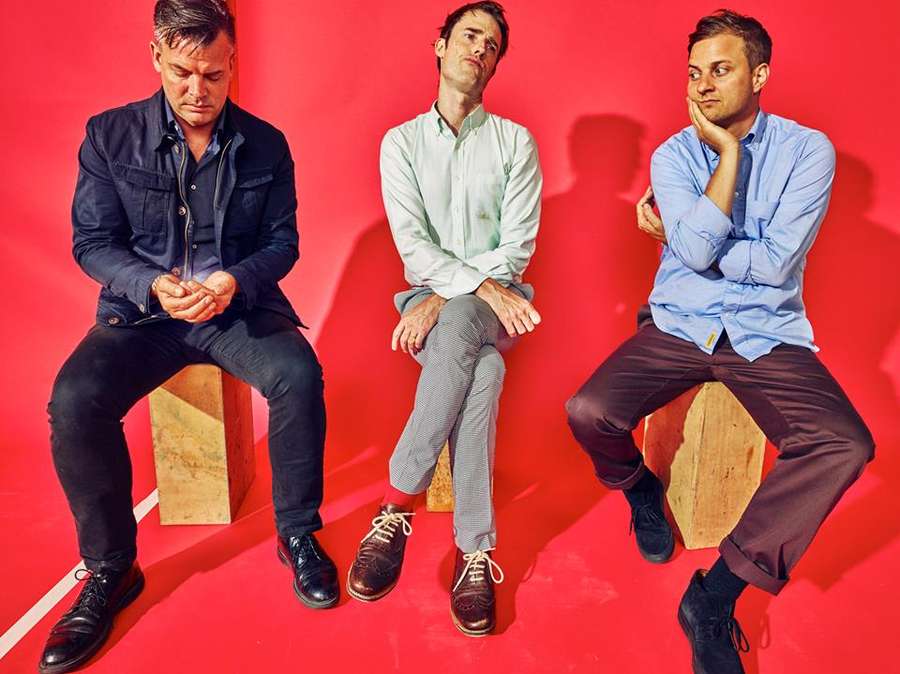
Battles has been operating as a duo for some time now. How has that changed the way you compose and think about the future of the project?
There is definitely more space now when writing and there’s really only one other person when you are bouncing ideas back and forth.
Battles
We mentioned that we thought you were playing at the reunion with Bl’ast, an absolutely iconic band, but we totally messed that up hahaha!
No, I’m not in Bl’ast! I wish. I’ve been good friends with Clifford for many years and they’re one of the best bands ever, but no, I haven’t been playing with them (that’s a great rumor though!).
Over the years, have you been able to make a living solely from playing music, or have you had to combine it with other aspects of the craft?
I have been very lucky to be able to make a living doing what I love.
When you compare the music industry of the ’90s to today’s, where do you notice the most radical change in real, practical terms—not just in theory or discourse?
The 90’s were all about major labels, MTV, and radio. I appreciate the music industry now because artists are slightly more in charge of their own destiny. Unfortunately however there is basically no money in streaming and touring is incredibly expensive. It is always an uphill battle for the artist!!
Is there anything about the underground ecosystem you grew up in that feels especially hard to replicate today?
I really miss fanzines before the internet.
Beyond music, what other interests—art, film, skateboarding, DJing—have accompanied you and shaped the way you think?
I enjoy spending time with my girlfriend and occasionally DJing
The ones you love:
Food and drink – vegan crab cakes/apple cider vinegar and seltzer
Band and musician – Nastie Band/Pat D
Album and record label – Palace /Magazine
Skater and skate Brand – Sal Barbier/ACE trucks
Country and city – Spain/Madrid
street and place —public or private—where you’ve been feeling comfortable lately (shop, square, venue, Street, bar…) Metropolitano Stadium/San Blas-Canillejas
At this point in your life, are you more motivated by building projects with people you trust, or by crossing paths with new people who push you out of your comfort zone? How do you see the future and what comes next?
I think both are really important and I am super into collaborating with new people. I really want to do more of that this year!!! Thank you that was really fun!! Great questions!!
Castellano:
Un batería en movimiento.
Una conversación con John Stanier sobre el underground neoyorquino, el instinto en el estudio y las bandas que moldearon la música pesada moderna
John Stanier siempre ha tocado como quien persigue el impulso: preciso, físico e imposible de fingir. Desde el Lower East Side de finales de los 80 —donde el peligro y la creatividad compartían la misma acera— hasta escenarios internacionales y estudios que exigían resultados rápidos, su trayectoria dibuja un mapa de las múltiples mutaciones de la música pesada moderna. Lo que empezó como “un año fuera de la universidad” se convirtió en una vida entera de giras, ensayos, reinvenciones y esa escucha profunda que solo se adquiere al vivir dentro de varias escenas a la vez.
En esta entrevista, Stanier vuelve a la Nueva York que lo formó: una ciudad dividida entre la ferocidad del hardcore y la experimentación más artística, donde había conciertos cada noche y las influencias viajaban sin fricción entre géneros. Habla de disciplina —de lo que le dieron los estudios formales de percusión y de cómo esa base se encontró con el caos de los clubes y los locales de ensayo—. También recuerda la energía de olla a presión de las grabaciones rápidas, la emoción de las tomas espontáneas y la extraña libertad de los proyectos que funcionan con pocos ensayos y máxima confianza.
Entre medias, el skate, el hip-hop, los fanzines y la amistad trazan una historia paralela: detalles pequeños que explican cómo un batería puede convertirse en todo un ecosistema.
En los años previos a mudarte a Nueva York, ¿en qué tipo de bandas o proyectos tocabas y qué buscabas cuando subías al escenario por aquel entonces?
Me mudé a Nueva York cuando tenía 20 años; en teoría iba a ser “un año fuera de la universidad”, pero obviamente terminó siendo algo muy distinto. Antes estaba en una banda hardcore bastante grande y tocamos en un montón de conciertos abriendo para bandas nacionales de gira, pero yo buscaba algo diferente. En realidad solo había tocado conciertos locales y nunca había salido de gira.
En tu caso, ¿qué llegó antes como fuerza real: la música o el skate? Y hoy en día, ¿sigues patinando o el skate es más una referencia cultural que una práctica diaria?
La música llegó antes, sin duda, pero patiné bastante en serio entre 1985 y 1989; esos fueron mis años de skate. Cuando me mudé a Nueva York en 1988 empecé a patinar menos porque mi foco principal era la música. Helmet compartía sala de ensayo con Sonic Youth en un edificio de Mott Street, en Little Italy, donde también estaba SHUT Skates, así que veía mucho a esa gente. La música y la banda eran, por supuesto, mucho más importantes para mí.
Creciste entre Pittsburgh y Florida, y además tuviste una formación más formal en percusión. ¿Qué te llevaste de ese mundo académico que acabó filtrándose en tu forma de tocar en bandas underground?
En la universidad fui “major” de percusión orquestal, que es algo muy formal y disciplinado, con muy poco margen para la improvisación. Creo que parte de la musicalidad de ese entorno se me quedó de formas que no sé señalar exactamente, pero sé que sí. ¿Estudiar marimba clásica tiene algo que ver con tocar la batería en Helmet? Probablemente no… pero quizá sí. 🙂
¿Qué te empujó de verdad a dejar tu ciudad y apostar por Nueva York en ese momento concreto de tu vida?
Estuve dos años en la universidad y mi plan original era tomarme un año libre e irme de gira. Eso era lo único que quería: recorrer Estados Unidos y Europa durante EXACTAMENTE UN AÑO y luego volver a estudiar. Me puse ese límite de tiempo, con la excepción de que, si pasaba algo grande, entonces lo alargaría a DOS años (jajaja).
Cuando piensas en la Nueva York alternativa de finales de los 80 y principios de los 90, ¿qué recuerdas del ambiente del día a día, más allá de los nombres de bandas y escenas?
Nueva York era una ciudad completamente distinta, de maneras que ahora son difíciles de describir. El Downtown, East Village/Lower East Side era peligroso e increíblemente fascinante al mismo tiempo. Pasaban tantas cosas que era alucinante. Tener 20 años en 1988 en el downtown de Nueva York fue el momento más decisivo de mi vida.
Esa escena incluía hardcore y metal muy duros y straight edge —Agnostic Front, Cro-Mags, Carnivore, Sheer Terror— junto a bandas más abiertas o experimentales como Unsane, Quicksand u Orange 9mm. ¿Cómo fue vivir esa mezcla desde dentro? ¿Cómo se cruzaban en la práctica el hardcore neoyorquino, el metal, el noise y la experimentación sin que sonara forzado o teórico?
Definitivamente había dos escenas por entonces. Estaba lo más arty, noise y experimental (de donde venía Helmet) y luego estaba el NYHC, que atravesaba un periodo raro de transición entre bandas más crossover y metaleras y otras más de hardcore tradicional. Había muchísimo movimiento y conciertos siete noches a la semana. Fue increíble formar parte de todo eso.
Has comentado que en tus primeros años en Nueva York el hip-hop que escuchabas a tu alrededor tuvo un gran impacto. ¿Qué artistas o discos estaban presentes entonces y qué te llevaste de ese mundo que no viniera del rock?
Me mudé a Nueva York desde los suburbios, donde no estaba expuesto a mucho hip hop. Cuando llegué vivía exclusivamente en el Lower East Side y en el East Village y estaba en todas partes. Incluso si no eras fan del hip hop de finales de los 80, era imposible evitarlo.
¿Cómo recuerdas la escena alrededor de sellos como Amphetamine Reptile? Y aunque fuese una generación un poco posterior, ¿qué percepción tenías de Wreck-Age Records o de la escena de Long Island con bandas como Stillsuit o Mind Over Matter?
Soy muy amigo de Chris y Arty, que recientemente devolvieron a la vida Wreck-Age. Me gustan SFA, Yuppicide, Madball, Die 116, Bad Trip y Gin Mill (que antes se llamaban Crawlpappy, con quienes toqué la batería).
Betty se grabó muy rápido y tiene un sonido muy claro, como “en directo en la sala”. ¿Qué recuerdas de las decisiones de estudio que se tomaron entonces y que hoy parecerían impensables?
Helmet estaba a tope cuando entramos al estudio para Betty. Lo produjo mi amigo T-Ray (Cypress Hill, Funkdoobiest, Artifacts, Kool G Rap), con quien nunca habíamos trabajado antes. Creo que fuimos la primera banda de rock que él grabó.
Hay fills concretos en Betty que mucha gente considera “irrepetibles” precisamente porque suenan espontáneos. ¿Cómo recuerdas ese equilibrio entre impulso y control durante esas sesiones?
¡Gracias por las palabras! Cuando grabamos Betty veníamos súper ensayados de girar tantísimo durante la etapa de Meantime, que fue prácticamente sin parar. Yo estaba totalmente en la zona y, además, creo que no teníamos demasiado tiempo para las tomas base. Había mucha presión para cumplir y yo tenía una confianza enorme para dar la talla.
Tomahawk era un proyecto muy diferente, tanto en sonido como en funcionamiento. ¿Cómo se formó la banda y qué te atrajo de esa forma de trabajar?
Era amigo de Duane, Mike y Kevin porque había girado con Jesus Lizard, Faith No More y The Cows. Duane siempre ha sido como un hermano mayor para mí y me preguntó si me interesaba tocar en su nuevo proyecto. Fue un soplo de aire fresco después de la manera desastrosa en que terminó Helmet. Tomahawk es un proyecto increíble porque todos tenemos otras cosas, pero nos juntamos de vez en cuando para hacer un disco. Son mi familia y seguimos siendo una banda plenamente activa.
Tomahawk trabajaba a menudo a distancia y con muy pocos ensayos. ¿Qué te gustaba de ese método y qué crees que se perdía por el camino?
Lo mejor de Tomahawk es lo espontáneo que es. Los dos primeros discos se grabaron prácticamente sin ensayos. Conocíamos la música y tocamos las piezas solo un par de días antes de grabar. El tercer álbum no lo ensayamos en absoluto. En la mayoría de giras nos reuníamos solo un par de días antes para repasar el set.
Tu relación con Ian Williams viene de antes de Battles, incluso de antes de Don Caballero. ¿Qué tipo de conexión creativa existía ya entonces?
Conocí a Ian un par de veces cuando estaba en Don Caballero y luego quedamos algo cuando se mudó a Nueva York. Años después me lo crucé en la calle en Brooklyn y me habló de un proyecto en el que estaba trabajando y de si quería pasar a verlo.
Battles surgió en parte como reacción contra estructuras de banda más tradicionales. Cuando empezasteis, ¿qué reglas no dichas os pusisteis para no caer en lo predecible?
Creo que todos queríamos hacer algo completamente distinto. Al principio no iba a usar platos. También teníamos un “coro de chicas” rotativo que estuvo solo en nuestros primeros conciertos. Era más performance art que funcionalidad; creo que lo tuvimos en los primeros tres o cuatro shows. Sacamos dos EPs: uno con un sello de la costa oeste y otro con un sello de la costa este. Realmente no teníamos ni idea de lo que estábamos haciendo, y ese era justo el objetivo.
Cuando Warp lanzó Mirrored, entrasteis en un circuito muy distinto al del rock tradicional. ¿Te sentías fuera de lugar o era exactamente el sitio correcto?
Sin duda siento que cuando publicamos Mirrored fue el momento perfecto, en el lugar perfecto y en el sello perfecto. Todo estaba pasando a la vez y no había manera de pararnos. Fue una época preciosa.
Battles lleva un tiempo funcionando como dúo. ¿Cómo ha cambiado eso la manera de componer y de pensar el futuro del proyecto?
Ahora hay claramente más espacio al escribir, y en realidad solo hay otra persona con la que rebotar ideas.
Comentamos que pensaba que estabas tocando en la reunion con Bl’ast, una banda absolutamente icónica, pero metimos la pata jajaja!
No, ¡no estoy en Bl’ast! Ojalá. Soy muy amigo de Clifford desde hace muchos años y son una de las mejores bandas de la historia, pero no, no he estado tocando con ellos (¡qué rumor más bueno!).
Con los años, ¿has podido vivir solo de tocar música o has tenido que combinarlo con otros aspectos del oficio?
He tenido mucha suerte de poder ganarme la vida haciendo lo que amo.
Cuando comparas la industria musical de los 90 con la de hoy, ¿dónde notas el cambio más radical en términos prácticos, no solo en teoría o discurso?
Los 90 eran las grandes discográficas, MTV y la radio. Aprecio la industria ahora porque los artistas controlan un poco más su propio destino. Por desgracia, casi no hay dinero en el streaming y salir de gira es increíblemente caro. ¡Siempre es una batalla cuesta arriba para el artista!
¿Hay algo del ecosistema underground en el que creciste que sea especialmente difícil de replicar hoy?
Echo mucho de menos los fanzines de antes de internet.
Más allá de la música, ¿qué otros intereses —arte, cine, skate, DJing— te han acompañado y han moldeado tu forma de pensar?
Me gusta pasar tiempo con mi novia y pinchar ocasionalmente.
Los que te encantan:
Comida y bebida: “vegan crab cakes” / vinagre de manzana y seltzer
Banda y músico: Nastie Band / Pat D
Álbum y sello discográfico: Palace / Magazine
Skater y marca de skate: Sal Barbier / ACE trucks
País y ciudad: España / Madrid
Calle y lugar —público o privado— donde últimamente te has sentido a gusto (tienda, plaza, sala, calle, bar…): Estadio Metropolitano / San Blas-Canillejas
En este punto de tu vida, ¿te motiva más construir proyectos con gente en la que confías o cruzarte con personas nuevas que te saquen de la zona de confort? ¿Cómo ves el futuro y lo que viene?
Creo que ambas cosas son muy importantes y me encanta colaborar con gente nueva. ¡De verdad quiero hacer más de eso este año! ¡Gracias, fue muy divertido! ¡Muy buenas preguntas!